
Performance data transforms how football clubs develop players and win matches, but most analytics platforms price out grassroots teams. A single subscription to professional-grade analysis software can cost £500-2,000 annually - money that volunteer-run clubs would rather spend on kit, pitch hire, or coaching courses.
The good news? Small clubs no longer need enterprise budgets to access meaningful performance insights. A new generation of low-cost football analytics tools delivers tactical intelligence, player development tracking, and match statistics without requiring dedicated analysts or expensive hardware.
Why Small Clubs Need Analytics
Grassroots football has traditionally relied on clipboard notes and memory to track player progress. Coaches remember that Jamie scored twice last week or that the team conceded from set pieces again, but systematic patterns get lost across a 30-match season managing 15-20 players.
Analytics fill this gap by revealing what actually happens on the pitch versus what coaches think happens. Research from the Football Association shows that coaches accurately recall only 40-50% of key match events without data support. That means half the learning opportunities from each fixture disappear within days.
For youth football development, this matters enormously. A centre-back who consistently makes excellent recovery runs but rarely touches the ball might get overlooked for a more visible but less effective teammate. An attacking midfielder might attempt 12 progressive passes per match with 75% accuracy - exceptional output that goes unnoticed without tracking.
Small clubs that embrace low-cost football analytics gain competitive advantages beyond their budget class. Teams using basic performance data report 20-30% improvements in player retention, better parent engagement, and more structured development pathways. Parents increasingly expect clubs to demonstrate how their child progresses, not just whether the team wins.
What Analytics Actually Mean for Grassroots Teams
Professional clubs track hundreds of metrics using multi-camera systems and dedicated analysts. Grassroots teams need something different: simple, actionable insights that volunteer coaches can collect and use without technical expertise.
Match statistics form the foundation. Goals, assists, shots, saves, and cards provide basic performance records across seasons. This level alone helps coaches spot patterns - a striker averaging four shots per match but scoring rarely needs finishing practice, not more game time.
Player availability and attendance tracking connects performance to participation. Teams using team management apps discover that players attending 80%+ of training sessions perform measurably better in matches than those below 60% attendance. This data helps coaches have evidence-based conversations with parents about commitment.
Position-specific metrics reveal individual development. Defenders tracked on clearances, interceptions, and successful tackles see their contributions valued beyond goals. Midfielders measured on pass completion and ball recoveries understand their tactical importance. This recognition particularly matters in youth football, where attacking players get disproportionate attention.
Team shape analysis identifies tactical strengths and weaknesses. Simple heat maps showing where players spend time expose whether the team actually plays the intended formation. A 4-4-2 that consistently becomes a 4-2-4 in possession explains why the team dominates for 20 minutes then concedes on the counter-attack.
Free and Low-Cost Analytics Tools Available Now
TeamStats: Comprehensive Free Platform
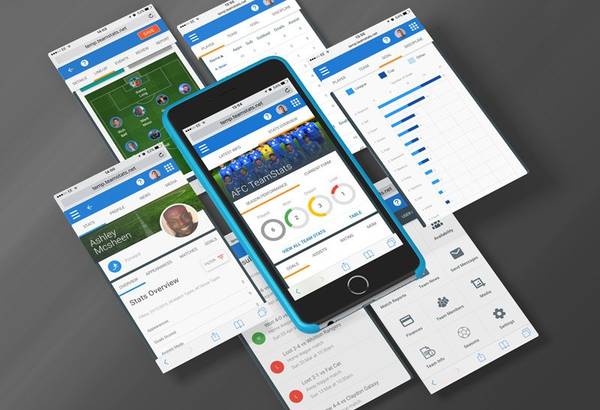
TeamStats provides grassroots football clubs with match statistics, player records, and team management in one free platform. Coaches record goals, assists, cards, and appearances through mobile apps during matches, building season-long performance histories without subscription fees.
The platform tracks individual player statistics across all competitions, making end-of-season awards and player development reviews evidence-based rather than subjective. Parents access their child's performance data through the app, reducing "did the coach notice my kid" conversations.
TeamStats integrates with over 150 UK grassroots leagues, automatically importing fixtures and results. This connection means clubs get league tables, top scorers, and team statistics without manual data entry. For volunteer managers juggling work and family, this automation saves hours each week.
Hudl Technique: Video Analysis on Phones
Hudl Technique (free version) lets coaches record training sessions and matches on smartphones, then review footage with slow motion, drawing tools, and side-by-side comparisons. Players see exactly what coaches mean when explaining tactical adjustments.
A grassroots coach working with Under-12s can film a player's first touch, show them the footage immediately, then film again after coaching points. This immediate visual feedback accelerates learning compared to verbal instruction alone. The free version includes basic analysis tools sufficient for most grassroots applications.
InStat Football: Match Coding for Volunteers
InStat offers a free tier allowing coaches to manually code match events - passes, shots, tackles, turnovers - creating detailed performance reports. The system requires someone to watch matches (live or recorded) and tag events, making it time-intensive but extremely thorough.
Clubs with dedicated parent volunteers or older youth players studying coaching can use InStat to generate professional-standard match reports. The free tier limits the number of matches analysed monthly but provides enough capacity for key fixtures and player assessments.
Veo Camera: Affordable Match Recording
While not free, Veo cameras represent accessible match recording for small clubs. A single camera (£500-800) mounts on a tripod and automatically follows play, recording entire matches without a camera operator. Multiple teams share the camera across weekends, spreading costs.
The Veo system generates tactical camera angles and individual player clips automatically. Coaches review matches in 20 minutes rather than 90, focusing on key moments. For clubs serious about player development, the cost breaks down to £50-100 per team annually when shared across 8-10 teams.
Collecting Match Data Without Technology Overload
The biggest barrier to grassroots analytics isn't cost - it's the perception that data collection requires technical expertise or excessive time. Effective data gathering actually needs just clear processes and five minutes per match.
Designate a statistics volunteer for each match. This person (often a parent) focuses solely on recording key events through a simple app interface. They don't need football knowledge - just the ability to tap "Goal - Player 7" or "Yellow Card - Player 3" when events occur.
Start with basic metrics before expanding. Track goals, assists, and cards for the first month. Add shots and saves once the process feels comfortable. Gradually include pass completion, tackles won, or position-specific metrics as the team sees value in existing data.
Use half-time and post-match reviews to verify accuracy. Coaches confirm the statistics volunteer recorded events correctly, catching mistakes immediately rather than discovering errors weeks later. This five-minute check ensures data reliability.
Record training attendance systematically. Apps like football coaching apps let players confirm availability with one tap. Coaches see exactly who's attending before planning sessions, and season-long attendance patterns inform selection decisions and development conversations.
Turning Data Into Better Coaching Decisions
Collecting statistics means nothing unless coaches use them to improve training and player development. The most valuable analytics for grassroots teams answer specific coaching questions rather than generating endless spreadsheets.
Identify tactical patterns in goals conceded. If 60% of goals against come from set pieces, the team needs set-piece defending drills, not more fitness work. If most goals come in the final 15 minutes, conditioning or concentration needs addressing. Data transforms "we're conceding too many goals" into specific, solvable problems.
Track individual player progress across seasons. A midfielder averaging 65% pass completion in autumn who reaches 75% by spring shows measurable improvement. This evidence helps coaches demonstrate development to players and parents, particularly for non-scoring positions where progress feels invisible.
Support team selection with objective criteria. When two players compete for one position, performance data provides fair comparison. The player with better attendance, higher work rate metrics, and stronger recent form gets selected based on evidence rather than subjective impressions.
Plan position-specific development pathways. Defenders tracked on different metrics than attackers receive tailored feedback. A centre-back with excellent tackle success but poor distribution needs passing practice. An attacker with high shot volume but low accuracy needs finishing drills. Generic "train harder" advice becomes personalised development.
Making Analytics Work With Limited Volunteer Time
Grassroots football clubs run on volunteer time, and analytics only help if they save more time than they consume. Smart implementation focuses on automation and simplicity.
Choose platforms with league integration. Tools that automatically import fixtures, results, and league tables eliminate manual data entry. TeamStats connects with grassroots football leagues across the UK, updating information without manager input.
Automate communication using data. Platforms that generate automatic player availability reports, match statistics summaries, and season progress updates reduce the weekly emails managers send. Parents get information without managers spending hours on admin.
Use pre-match and post-match templates. Standard team sheets, match reports, and statistics summaries that auto-populate with player data turn 30-minute tasks into 5-minute reviews. Templates ensure consistency whilst saving time.
Share responsibilities across parent volunteers. Different parents handle statistics recording, video filming, and data entry across the season. No single person becomes overwhelmed, and families contribute in ways matching their skills and availability.
Analytics for Player Development Conversations
End-of-season reviews and mid-season check-ins become more constructive when backed by data. Instead of vague feedback like "work on your passing," coaches show players their completion percentages, successful passes per match, and improvement trends.
For youth football players, seeing their own statistics builds self-awareness. An Under-14 midfielder discovers they attempt far fewer forward passes than they thought, explaining why coaches want them to be more progressive. A defender sees their interception numbers rising across the season, validating their tactical improvement.
For parents, data provides objective context for playing time and selection decisions. When a parent questions why their child isn't starting, coaches reference attendance records, training performance, and match statistics showing areas needing development. These conversations remain constructive rather than confrontational.
For club administration, aggregated data supports funding applications and sponsorship proposals. Demonstrating 200 active players, 85% retention rates, and systematic development tracking makes clubs attractive to County FA grants and local business sponsors.
Common Analytics Mistakes Small Clubs Make
Tracking too many metrics overwhelms volunteers and produces unused data. Focus on 5-8 key statistics that inform actual coaching decisions rather than collecting everything possible.
Comparing grassroots players to professional standards damages confidence and misses the point. Youth players shouldn't be judged against Premier League averages. Compare players to their own previous performance and age-appropriate benchmarks.
Using data to criticise rather than develop destroys trust. Analytics exist to identify improvement areas and celebrate progress, not to highlight failures. Frame statistics as development tools, not judgment mechanisms.
Ignoring context around numbers. A player with low pass completion might be attempting difficult progressive passes whilst teammates play safe. A defender with few tackles might be positioning so well they rarely need to tackle. Numbers need interpretation, not blind acceptance.
Forgetting that grassroots football prioritises enjoyment and development over winning. If analytics pressure causes stress or reduces playing time for developing players, the approach needs adjusting. Data serves player development, not the reverse.
Building an Analytics Culture at Grassroots Level
Clubs that successfully implement low-cost football analytics treat data as one tool among many, not a replacement for coaching expertise and human judgment. The best grassroots analytics cultures share several characteristics.
Coaches explain why they collect data and how it helps players improve. When players understand that statistics inform better training and fairer selection, they engage with the process rather than resisting it.
Data gets shared openly with players and parents through accessible dashboards and regular updates. Transparency builds trust and demonstrates that analytics serve everyone's interests.
Statistics complement, not replace, traditional coaching observations. A coach's eye still catches tactical nuances and character qualities that numbers miss. Analytics fill gaps in memory and attention, not substitute for coaching knowledge.
The club celebrates statistical achievements alongside goals and wins. Recognising the defender with most interceptions or the midfielder with best pass completion validates different playing styles and positions.
Conclusion
Professional clubs spend millions on performance analysis because data-driven decisions produce better results than intuition alone. Grassroots football clubs now access similar benefits through low-cost football analytics platforms designed for volunteer-run teams.
The competitive advantage isn't just tactical - it's cultural. Clubs using systematic performance tracking retain players longer, engage parents more effectively, and develop talent more efficiently than clubs relying on memory and tradition. Players see their progress quantified, parents understand development pathways, and coaches make evidence-based decisions.
Starting requires no technical expertise or significant budget. A free platform like TeamStats provides match statistics, player records, and team management immediately. Add one parent volunteer to record basic match events, and the club builds a performance database within weeks.
The question for small clubs isn't whether they can afford analytics - it's whether they can afford to ignore them whilst competitors embrace data-driven development. The tools exist, the costs are minimal, and the benefits extend far beyond the pitch into player retention, parent satisfaction, and club reputation.
Grassroots football analytics work best when they remain simple, focused, and aligned with youth football development principles. Track what matters, use data to inform rather than dictate decisions, and remember that numbers serve players, not the reverse. Done properly, even the smallest club with the tightest budget can make smarter decisions and develop better players through affordable performance insights.
Get started with free analytics through TeamStats to track match statistics, player development, and team performance without subscription fees or technical expertise.
═══════════════════════════════════════════════════════════════