
Matchday morning arrives with a familiar mix of anticipation and pressure. The opposition has been scouted, the team talk rehearsed, but success often hinges on something more mundane: having the right equipment in the right place at the right time.
A missing first aid kit, forgotten match balls, or misplaced bibs can derail even the most meticulously planned fixture. For grassroots football managers juggling work commitments, family responsibilities, and team duties, a systematic approach to matchday preparation transforms chaos into calm using a comprehensive football matchday checklist.
Why Matchday Preparation Matters
The consequences of poor equipment management extend beyond inconvenience. Arriving at the pitch without corner flags means delaying kick-off whilst borrowing from another team. Forgetting the medical kit raises serious safeguarding concerns. Missing team sheets frustrate referees and opposition managers alike.
Research from County FA observations shows that 37% of grassroots fixtures experience delayed kick-offs due to equipment issues. These delays compress warm-up time, rush pre-match routines, and create unnecessary stress for young players who thrive on structure and consistency.
Beyond logistics, equipment preparation signals professionalism. Parents judge clubs partly on organisation - the team that arrives prepared, with properly inflated balls and clean bibs, conveys competence and care. This perception influences retention rates, volunteer recruitment, and club reputation within local leagues.
The Master Football Matchday Checklist
A comprehensive football matchday checklist serves as the foundation for reliable preparation. This master list covers every category of equipment required for a typical grassroots fixture.
Essential Match Equipment
Match balls represent the most obvious requirement yet remain frequently overlooked. Carry three properly inflated balls matching the age-appropriate size - a primary match ball, a backup, and a spare for warm-ups. Check inflation pressure the evening before; cold morning temperatures reduce pressure by approximately 1 PSI.
Team kit requires systematic verification. Count shirts, shorts, and socks against the expected squad size, adding two spare sets for forgotten items or last-minute additions. Include goalkeeper jerseys in contrasting colours - at least two options to avoid clashes with opposition outfield kits.
Bibs or training vests facilitate warm-up organisation and distinguish between groups during pre-match drills. Pack sufficient quantities in two contrasting colours, typically 12-15 per colour for youth teams.
Corner flags often live permanently in managers' car boots, yet remain the most commonly forgotten item. Verify all four flags before departing, checking that poles assemble correctly and flags remain securely attached.
Medical and Safety Equipment
The first aid kit carries both practical and legal significance. FA guidelines mandate specific contents for youth football, including adhesive plasters, sterile dressings, bandages, disposable gloves, scissors, and cold packs. Check expiry dates monthly and replenish used items immediately after each fixture.
Ice packs address the most common matchday injuries - knocks, bruises, and minor swelling. Carry at least four instant cold packs that activate without refrigeration, plus a cool bag with frozen gel packs for more serious incidents.
Hand sanitiser and tissues gained prominence during recent years but remain essential for general hygiene, particularly when treating minor cuts or grazes. Include antibacterial wipes for cleaning surfaces and equipment.
Emergency contact information must accompany every fixture. Maintain a laminated card listing emergency services numbers, nearest hospital location, and parent contact details for every registered player. Store this separately from individual player registration documents to ensure accessibility.
Administrative Essentials
Team sheets and player registration cards satisfy league requirements and prevent eligibility disputes. Prepare three copies of the team sheet - one for the referee, one for the opposition, and one for personal records. Carry physical registration cards even if the league operates digital systems; technology failures occur precisely when most inconvenient.
Match fees should be prepared in advance, ideally in a sealed envelope labelled with fixture details. Confirm the exact amount required and whether referees accept card payments through digital platforms. Carrying £5-10 extra covers unexpected expenses like parking or replacement equipment borrowed from opposition teams.
Notebooks and pens enable tactical adjustments, substitution tracking, and post-match notes. Record substitution times, goal scorers, and key incidents to satisfy league reporting requirements and inform future selection decisions.
Weather-Dependent Equipment
British weather demands flexible preparation. Waterproof jackets protect substitutes during rain-affected fixtures, whilst sun cream prevents burns during unexpected sunny spells. Carry both regardless of morning forecasts - grassroots fixtures rarely benefit from pitch covers or sheltered dugouts.
Towels serve multiple purposes: drying hands for throw-ins, wiping muddy balls, and providing comfort for substitutes. Pack at least three clean towels per fixture.
Water bottles require careful management. Provide individual labelled bottles to prevent cross-contamination, carrying sufficient quantities for the full squad plus extras. Calculate approximately 500ml per player for a 60-minute fixture, doubling this for warm conditions.
Organising Equipment Storage
Systematic storage prevents matchday panic. Dedicated equipment bags organised by category enable quick verification and efficient packing through the three-bag system.
Bag One: Match Essentials contains everything required for the fixture itself - balls, bibs, corner flags, and team kit. This bag travels to every fixture regardless of other considerations.
Bag Two: Medical and Safety holds first aid supplies, ice packs, and emergency equipment. Keeping medical equipment separate prevents contamination and enables quick access during incidents.
Bag Three: Administration and Extras houses paperwork, payment envelopes, weather protection, and miscellaneous items. This separation prevents important documents becoming damp or damaged by proximity to wet equipment.
Transparent storage bags within each main bag further organise smaller items. Label these clearly: "Plasters and Dressings", "Cold Packs", "Registration Cards", "Referee Payments". This granular organisation enables delegation - other volunteers can locate specific items without detailed instructions.
The Night-Before Routine
Matchday morning chaos stems from inadequate evening preparation. Establishing a consistent night-before routine using a football matchday checklist eliminates 90% of common equipment failures.
Begin by checking the weather forecast for the fixture location, not just the home area. Coastal and elevated pitches experience different conditions from inland venues. Adjust equipment accordingly - additional towels for rain, extra water for heat, warmer clothing for exposed locations.
Verify the fixture details through official league communications. Confirm kick-off time, venue address, and any special requirements. Check for last-minute venue changes, particularly during winter months when waterlogged pitches force relocations.
Lay out all three equipment bags in a designated staging area, typically near the front door or in the garage. Work through the master football matchday checklist systematically, placing each verified item into the appropriate bag. Physical verification beats mental confirmation - actually seeing the first aid kit prevents the false memory of packing it.
Prepare the team kit by counting each item and checking for damage. A torn shirt discovered Saturday evening allows time for replacement; the same discovery Sunday morning creates problems. Fold kit neatly to prevent excessive creasing and facilitate quick distribution.
Inflate match balls to the correct pressure using a reliable gauge. Squeeze-testing lacks precision - a proper gauge costs less than one replacement ball. Record inflation date on the ball using permanent marker to track maintenance schedules.
Charge all electronic devices: mobile phone, camera for match photos, and any digital tools used for performance tracking. Pack charging cables and portable power banks as backup.
Print team sheets and registration documents even if digital versions exist. Technology failures peak during crucial moments - flat batteries, lost internet connectivity, or corrupted files. Paper provides failsafe backup requiring no power or connectivity.
Matchday Morning Protocol
Morning routines should follow a standardised sequence that becomes automatic through repetition.
Two hours before departure, load all three equipment bags into the vehicle. Place them in consistent locations - medical bag always accessible from the driver's door, match essentials in the boot, administration bag on the back seat. This consistency prevents leaving bags behind and enables quick access upon arrival.
90 minutes before departure, conduct a final verification check. Walk through the master checklist again, physically touching each item as confirmation. This redundancy catches items removed for evening use and not returned.
60 minutes before departure, prepare personal items: appropriate clothing for expected weather, personal water bottle, and any coaching notes or tactical plans. Managers focused entirely on team equipment often neglect their own comfort, arriving underdressed for cold conditions or without adequate hydration.
30 minutes before departure, contact the referee to confirm attendance and any specific requirements. This conversation provides early warning of potential issues and demonstrates professionalism. Verify that the opposition manager has correct venue details and kick-off time.
Arrival and Setup Procedures
Arriving 45-60 minutes before kick-off provides adequate setup time without excessive waiting that dissipates player focus.
Upon arrival, conduct an immediate pitch inspection. Check for hazardous debris, assess surface conditions, and verify goal net security. Note any concerns requiring referee attention before players begin warming up.
Establish a base area for equipment storage. Position bags where substitutes will sit, ensuring easy access to medical equipment whilst keeping administrative items secure. Avoid placing bags directly on wet ground - use waterproof groundsheets or elevated surfaces.
Distribute corner flags immediately, checking that all four poles secure properly into ground sockets. This early setup prevents last-minute scrambles whilst players warm up.
Prepare the medical station by opening the first aid kit and positioning ice packs for quick access. Identify the nearest access point for emergency vehicles and confirm mobile phone signal strength for potential emergency calls.
Set out water bottles in an organised line, ensuring each player can identify their personal bottle. This prevents cross-contamination and ensures adequate hydration throughout the fixture.
Digital Tools for Equipment Management
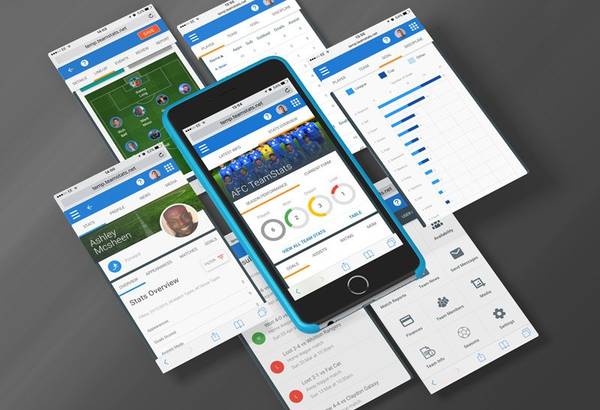
Modern technology streamlines equipment preparation without replacing fundamental organisation. Football coaching apps integrate equipment checklists with broader team management functions, providing digital verification systems accessible from mobile devices.
These platforms enable shared responsibility - assistant coaches or parent volunteers can access the master football matchday checklist and confirm specific items, distributing the preparation burden across multiple people. Automated reminders prompt equipment checks at appropriate intervals, preventing last-minute discoveries of missing items.
Digital systems track equipment condition and maintenance schedules. Recording ball inflation dates, first aid kit expiry dates, and kit washing rotas transforms reactive management into proactive maintenance. This systematic approach extends equipment lifespan and reduces replacement costs.
The team management app approach centralises all matchday information - fixture details, player availability, equipment checklists, and post-match reporting - within a single accessible platform. Managers juggling multiple responsibilities benefit from this consolidation, eliminating the need to cross-reference multiple sources whilst preparing for fixtures.
Common Equipment Failures and Solutions
Despite careful preparation, certain equipment issues recur across grassroots football. Understanding these patterns enables preventive strategies using a football matchday checklist.
Forgotten corner flags top the list of common omissions. Solution: Store corner flags in a bright, distinctive bag that cannot be overlooked during loading. Some managers attach corner flag bags to their car keys the evening before, making departure without them physically impossible.
Deflated match balls frustrate players and delay fixtures. Solution: Maintain a ball inflation log, checking pressure before every fixture regardless of recent use. Temperature changes and slow leaks affect all balls over time.
Incomplete first aid kits create serious safeguarding concerns. Solution: Implement a post-match replenishment protocol. Immediately after each fixture, check the first aid kit and replace used items before the next training session. This immediate action prevents gradual depletion going unnoticed.
Missing player registration cards cause eligibility disputes and potential fixture forfeits. Solution: Photograph all registration cards and store digital copies in cloud storage accessible from mobile devices. Whilst physical cards remain the primary requirement, digital backups provide emergency alternatives.
Insufficient water bottles particularly during warm weather. Solution: Calculate water requirements based on maximum squad size plus 20% contingency. Purchase inexpensive additional bottles rather than relying on players bringing personal supplies.
Delegation and Shared Responsibility
Sustainable matchday preparation requires distributing responsibilities across multiple volunteers. Manager burnout stems partly from attempting to control every aspect of team organisation.
Designate an equipment coordinator responsible for maintaining the master football matchday checklist and conducting mid-week inventory checks. This role suits parent volunteers unable to commit to every fixture but willing to contribute specific, defined tasks.
Appoint a medical officer responsible for first aid kit maintenance, ensuring qualified first aiders attend fixtures, and coordinating emergency responses. This critical role demands someone with appropriate training and calm temperament during stressful situations.
Assign team kit management to a dedicated volunteer who collects, washes, repairs, and distributes playing kit. This time-consuming task significantly lightens the manager's burden whilst ensuring consistent kit presentation.
Create a matchday assistant rota where different parents support each fixture. This rotating responsibility introduces multiple families to team operations, builds community engagement, and provides backup when primary volunteers face unavoidable absences.
Document all roles and responsibilities within team communication channels. When everyone understands who handles specific tasks, duplication decreases and gaps become immediately visible.
Post-Match Equipment Management
Matchday responsibilities extend beyond the final whistle. Systematic post-match protocols prevent equipment degradation and prepare for subsequent fixtures.
Conduct an immediate equipment count before leaving the venue. Missing items discovered immediately can often be recovered; those noticed days later are permanently lost. Check for items left near dugouts, changing rooms, or pitch corners.
Separate wet or muddy equipment from clean items during transport home. Waterproof bags within the main equipment bags contain dirty kit and prevent cross-contamination. Damp items left sealed in bags develop mildew within 48 hours.
Unpack all equipment bags immediately upon returning home, even when exhausted from the fixture. This discipline prevents forgotten items remaining in bags until the next matchday, potentially damaged or deteriorated.
Air out and clean all equipment before storage. Wipe balls clean, hang bibs to dry, and check first aid supplies for damage. This immediate maintenance extends equipment lifespan and ensures readiness for the next fixture.
Update equipment condition logs, noting any damage requiring repair or replacement. Addressing minor issues immediately prevents them escalating into fixture-affecting problems.
Seasonal Variations in Equipment Needs
Equipment requirements fluctuate throughout the season, demanding flexible preparation strategies.
Pre-season focuses on equipment auditing. Check all items for damage accumulated during storage, replace expired first aid supplies, and verify that kit remains appropriately sized for growing players. Order replacement equipment with sufficient lead time before competitive fixtures commence.
Early season (August-October) emphasises sun protection and hydration. Carry extra water bottles, sun cream, and caps for bald-headed managers standing in exposed positions. Pitches remain firm, requiring properly inflated balls that bounce predictably.
Mid-season (November-February) prioritises weather protection and visibility. Pack additional towels, waterproof clothing, and hand warmers. Carry spare socks for players whose boots fill with water during muddy conditions. Ensure balls remain visible in poor light - high-visibility yellow balls outperform white alternatives during winter fixtures.
Late season (March-May) returns to increased hydration emphasis as temperatures rise. Monitor pitch conditions carefully - hard surfaces following dry spells increase injury risk, requiring enhanced medical preparedness.
Building Equipment Resilience
Resilient equipment systems withstand unexpected challenges through redundancy and flexibility.
Maintain duplicate essential items stored separately from primary equipment. A spare first aid kit kept in the car boot provides backup when the primary kit is forgotten. Additional match balls stored at home enable quick retrieval when inflation equipment fails.
Develop equipment sharing agreements with other teams at the club. These informal arrangements provide emergency backup - borrowing corner flags from the team playing before you beats forfeiting the fixture. Reciprocal arrangements build club community whilst providing practical safety nets.
Create emergency equipment funds within team budgets. Setting aside £50-100 enables immediate replacement of failed equipment without requiring emergency collections from parents. This financial buffer reduces stress and maintains fixture readiness.
Conclusion
Matchday equipment preparation separates well-organised teams from those perpetually scrambling. A comprehensive football matchday checklist transforms preparation from reactive chaos into systematic routine, enabling managers to focus on tactical preparation and player development rather than equipment logistics.
The investment in proper systems - dedicated storage bags, digital tracking tools like TeamStats, and shared responsibilities - pays dividends throughout the season. Players arrive to find everything ready, parents observe professional organisation, and managers reduce their stress whilst improving team performance.
Success in grassroots football stems from countless small details executed consistently. Equipment preparation represents one area where systematic approaches yield immediate, measurable improvements. The team that arrives prepared, with properly maintained equipment and clear protocols, creates the foundation for positive matchday experiences that keep young players engaged with football for years to come.
Start with the master football matchday checklist, establish the night-before routine, and delegate responsibilities across willing volunteers. These practical steps transform matchday preparation from a source of anxiety into a reliable system that supports everything else the team aims to achieve.
═══════════════════════════════════════════════════════════════