It takes a keen eye to spot talent early among a group of children. And even if you have a generational talent in your midst, this is one of the most challenging and high-stakes tasks for any football coach working with young players.
The stakes aren’t high just for you. They can be even higher for the kids. If you get it right, you’ll become a true hero for that young boy or girl, and they’ll remember you for the rest of their lives. But if you get it wrong, you may overlook players who’ll prove they had it all along.

Early Bloomers: Don’t Confuse Early Development With Talent
The fact is that most grassroots coaches don’t have the luxury of using sophisticated data tools and video software, and they definitely don’t have a group of scouts watching from the sidelines. They can only rely on tools like their own eyes, experience, and instincts. These “tools” should help them distinguish players who perform well right now from those with long-term potential.
The good news about coaching children is that they are pretty easy to read. It’s not like you’re playing free online poker and you need sophisticated skills to tell if someone is bluffing. Children are straightforward. Like poker cards in your own hands, everything about them is very transparent, which allows coaches to quickly draw conclusions. For example, are they really into football, or are they on the pitch because their parents have some ambitions or unrealistic expectations?
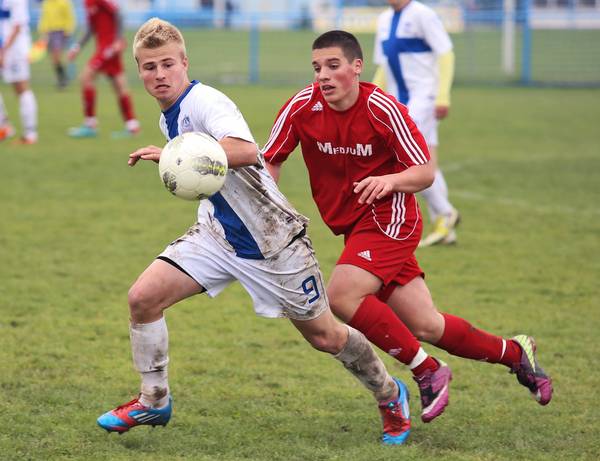
Although some things are obvious, confusing early development with talent is the biggest mistake a coach can make. A child who is bigger and stronger than their peers from the U11 or U13 age group will dominate on the pitch. They’ll score more and hold the ball up better. However, this doesn’t mean they are super talented.
What to Look For?
In this age group, a six-month age gap can make a significant difference. If you really want to spot talent without making (too many) mistakes, you must evaluate not only physical, but also psychological factors.
· How young players make decisions: Many kids can easily learn technical things over time. But if a child constantly makes good decisions, like when to pass the ball and who to pass to, this is something that’s not easy to learn. It shows they can think strategically, which is a good first sign. Make sure to watch what they do before they receive the ball, not just what they do with it.
· How they behave under pressure: Talented players remain curious even when things don’t work the way they’re used to, or they make a mistake. Most kids will simply give up. But real talents will try to solve the problem. This is definitely a rare quality at that age, so if you have players with it, pay closer attention to them.
Also, don’t overlook small moments. A child who is brave enough to try a difficult pass and fails, but immediately wants the ball back to try again, shows something no training session can teach him - the mentality of a winner.
Make Sure Your Players Are Having Fun
To answer the titular question, not really. Despite best efforts and best intentions, getting it 100% of the time is not feasible. But at the end of the day, that's not the most important.
Far more important is how coaches approach children on a daily basis.The Football Association constantly encourages parents to think of youth football as an enjoyable introduction to the game that will help their children fall in love with it. This message also applies to junior football coaches. If your players don’t smile when they leave the training pitch, ask yourself why.
The right atmosphere and a healthy environment you create with your squad are just as important for their development and growth as any drill or technical skill you’ll ever coach them. After all, your job isn’t to find the finished product. Your job is to spot a talent and then help it flourish the right way.