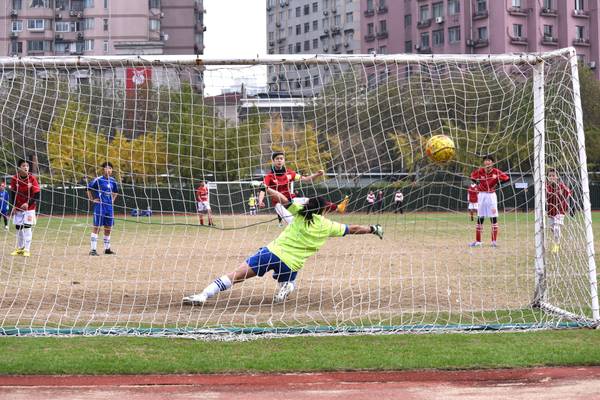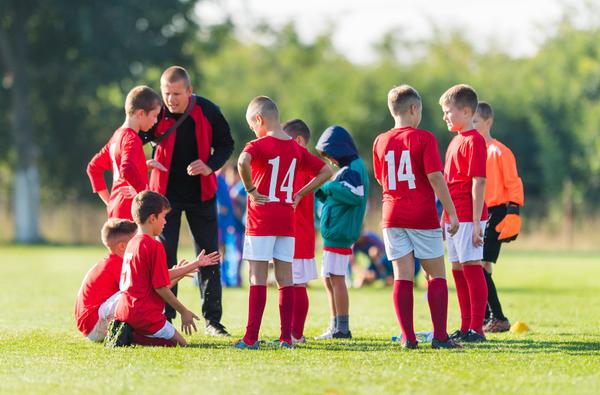
Grassroots football has always been about more than what happens during the ninety minutes. Coaches, players, and managers constantly look for ways to keep engagement high between matches while also sharpening decision making. As digital tools continue to shape how teams communicate and organize, a new layer of interactive entertainment is quietly finding its place alongside training drills and match analysis.
Within the first stages of exploring these tools, some teams are even experimenting with strategy based online games such as bitcoin minesweeper. While not directly tied to football performance, these games introduce decision making scenarios that mirror risk and reward thinking often seen on the pitch.
A growing connection between football and digital play
Football has always adapted to new technology. From GPS tracking in training to performance analytics, the modern grassroots game is shaped by data and interaction. The same shift is happening in entertainment habits. Players are spending more time on mobile platforms, often engaging with games that reward patience, timing, and calculated choices.
Online gaming platforms have evolved quickly thanks to mobile accessibility and improved user experience. Many players now expect quick sessions, simple interfaces, and immediate feedback. Research shows that mobile devices drive a large share of online gaming activity, with convenience and accessibility playing a major role in adoption .
For football teams, this trend creates an opportunity. When players already enjoy interactive experiences, introducing structured and safe digital games can help maintain engagement during downtime, especially in amateur squads where motivation can fluctuate across a long season.
Understanding risk and reward through simple gameplay
Football is full of small decisions that shape outcomes. When to press, when to hold position, when to attempt a risky pass. These choices are not random. They are based on reading the situation and weighing potential outcomes.
Games like Winna’s Mines reflect a similar thought process. Players choose how many hidden risks they want in each round and decide when to continue or stop. This creates a controlled environment where timing and judgment matter.
The appeal lies in its simplicity. A clean grid, quick rounds, and clear choices allow users to focus on decision making rather than complex rules. For players used to structured drills, this kind of gameplay can feel familiar in its logic, even if the setting is different.
Importantly, blockchain based systems behind such games provide transparency in outcomes, which adds trust to the experience. This aligns with the wider movement in digital gaming where fairness and verifiable systems are becoming more important to users.
Keeping squads connected beyond matchday
One challenge for grassroots teams is maintaining a sense of unity when players are not physically together. Training sessions may only happen once or twice a week, and matches are spread across weekends. The rest of the time, keeping players engaged can be difficult.
Digital interaction fills that gap. Group chats, performance tracking apps, and now casual gaming all contribute to a more connected team environment. Shared experiences, even simple ones, help build camaraderie.
Games that are quick to access and easy to understand can fit naturally into this environment. Players can discuss strategies, share results, and even create informal challenges within the squad. While it should never replace physical training or tactical preparation, it can support the social side of team culture.
The wider growth of online gaming and sports crossover
The overlap between sports and digital gaming continues to expand. Markets linked to online gaming and betting are growing steadily, driven by mobile usage and technological innovation. Reports suggest the global online gambling sector is expected to see strong growth over the coming years, supported by increased smartphone access and evolving digital platforms .
At the same time, blockchain and crypto based systems are becoming more visible within this space. Faster transactions, transparent outcomes, and user control are often highlighted as key features. These developments are shaping how younger audiences interact with digital platforms, including those who are also active in sports communities.
For football teams and managers, the key takeaway is awareness. Understanding how players spend their time outside training can help shape better engagement strategies. When used responsibly, these platforms can complement existing team dynamics rather than distract from them.
A quick look at industry insight
A useful perspective on this trend can be found in a fresh wave in crypto gaming that players are watching closely, which highlights how crypto based games are gaining attention for their transparency and user driven design. The article points out how players are increasingly drawn to platforms that combine entertainment with clear systems and fast access, reflecting broader shifts in online behavior.
For grassroots football communities, this reinforces the idea that digital habits are changing. Players expect more control, quicker interaction, and engaging formats whether they are on the pitch or off it.
Conclusion
Football at the grassroots level thrives on connection, consistency, and smart decision making. While training sessions and matchdays remain central, the moments in between are becoming just as important for maintaining team spirit.
Digital games like those offered by Winna provide an interesting addition to this landscape. They are simple, quick to access, and built around choices that echo the decision making found in football. When approached responsibly, they can add a layer of engagement that keeps players connected and mentally active.
For coaches and managers, the goal is not to replace traditional methods but to support them. By understanding how modern players interact with digital platforms, teams can build stronger bonds and maintain focus throughout the season.