
Every grassroots football manager knows the Sunday evening scramble. Players asking what drills to expect. Parents wanting to know if they need extra water bottles for a fitness session. The clock ticking towards Monday's training whilst the week's plan exists only as scattered thoughts and half-remembered ideas from last season.
The average grassroots manager spends 3-4 hours per week planning training sessions. That's roughly 150 hours per season - nearly a full working month - before accounting for the mental load of remembering who needs extra defensive work or which parent volunteered to bring cones.
Modern football training planner systems have transformed this process, but the real breakthrough isn't just digitising paper plans. It's understanding how to structure training organisation so the system works for volunteer coaches rather than creating another administrative burden.
Why Traditional Training Planning Fails Grassroots Teams
Most grassroots managers inherit training plans from three sources: coaching courses, online resources, or the previous manager's crumpled notes. Each source presents the same fundamental problem - they're designed for coaches with dedicated planning time and consistent squad availability.
The reality looks different. A typical Under-12s manager might have 16 registered players but only know which 11 will attend training by Monday afternoon. The planned possession drill requires 14 players. The backup plan exists somewhere in a WhatsApp chat from three weeks ago. By the time training starts, the manager is running a hastily improvised session that bears little resemblance to any structured development plan.
This isn't a coaching competence issue. It's a systems problem. Traditional training planning assumes stability that doesn't exist in grassroots football. The solution isn't more detailed plans - it's flexible frameworks that adapt to real-world constraints.
The Three-Layer Training Structure
Effective grassroots training organisation operates on three distinct layers: the seasonal framework, the weekly focus, and the session detail. Most managers either plan everything in exhaustive detail (then abandon the plan by week three) or improvise entirely (leading to repetitive sessions that don't build skills progressively).
Seasonal Framework
The seasonal framework establishes broad development themes across the campaign. September might emphasise defensive shape, October introduces pressing triggers, November focuses on transition moments. This high-level structure takes perhaps two hours to establish at season start but provides direction for every subsequent session.
Weekly Focus
The weekly focus translates seasonal themes into specific coaching points. If October's theme is pressing, week one might address pressing triggers from goal kicks, week two covers pressing in the middle third, week three introduces counter-pressing after possession loss. Each weekly focus connects to the broader theme whilst remaining specific enough to measure progress.
Session Detail
Session detail handles the tactical level - which drills, what equipment, how long for each activity. This is where most managers waste time, meticulously planning 90-minute sessions that change completely when only nine players attend. The solution is maintaining a drill library organised by weekly focus, allowing rapid session construction based on actual attendance.
Building a Reusable Drill Library
The typical grassroots manager uses approximately 40-50 different drills across a full season. Most coaching courses teach 100+ drills. The disconnect creates decision paralysis - too many options, insufficient time to evaluate which drill suits tonight's specific circumstances.
A functional drill library categorises activities by multiple criteria: number of players required, space needed, equipment demands, skill focus, and intensity level. When only nine players attend training, the manager filters for drills requiring 8-10 participants, matches them to the weekly focus (perhaps first-touch under pressure), and selects based on available space and equipment.
This approach reduces planning time from 45 minutes to approximately eight minutes. The manager isn't creating sessions from scratch - they're assembling pre-tested components that fit current constraints. The drill library grows organically as managers add variations and notes from actual sessions.
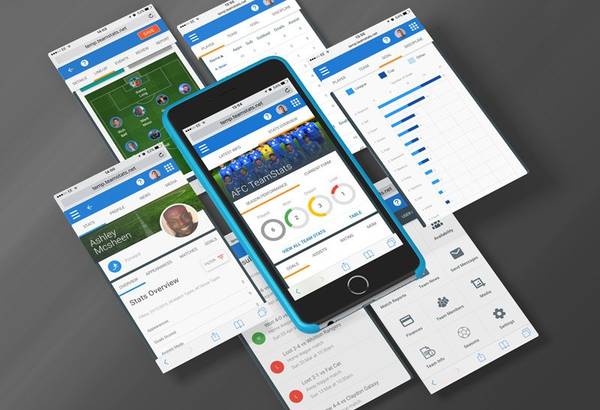
TeamStats enables this structure through its football training planner functionality, which allows managers to tag drills by all relevant criteria and filter rapidly based on session requirements. The system remembers which drills worked well with specific age groups and which needed modification, creating an increasingly refined resource over multiple seasons.
The Monday Morning Planning Window
Most effective grassroots managers establish a consistent planning window - typically Monday morning or Sunday evening - when they construct that week's sessions based on current squad status and recent match performance.
This 15-minute window follows a standard sequence. First, review the weekly focus within the seasonal framework. Second, check player availability for upcoming training sessions. Third, filter the drill library based on expected attendance and facility constraints. Fourth, assemble the session structure with warm-up, main activity, and small-sided game. Fifth, share the plan with assistant coaches and communicate any equipment needs to parents.
The sequence takes practice to complete in 15 minutes, but the time investment pays immediate dividends. Players receive consistent communication about session content. Parents know what to expect. Assistant coaches can prepare effectively. The manager arrives at training with a clear structure rather than improvising in the car park.
The critical insight is that planning speed comes from decision frameworks, not from rushing. When the drill library is properly organised and the seasonal framework provides clear direction, most planning decisions become obvious. The manager isn't choosing between 100 possible drills - they're selecting the best option from three pre-filtered activities that all address the current coaching priority.
Adapting Plans to Real Attendance
Even with Monday morning planning, actual attendance rarely matches expectations. The planned 12v12 possession drill becomes impossible when only 14 players attend instead of 20. Traditional planning approaches treat this as failure. Effective systems treat it as normal variance requiring rapid adaptation.
The solution is building flexibility into session structure rather than session content. Instead of planning "15 minutes of 12v12 possession drill", the plan specifies "15 minutes of possession work scaled to attendance". The drill library contains possession activities for 10 players (5v5), 14 players (7v7), 18 players (9v9), and 22 players (11v11). The manager selects the appropriate version based on actual attendance.
This approach requires initial investment in building scaled versions of core activities, but that investment compounds across seasons. Once the library contains scaled versions of fundamental drills, session adaptation becomes trivial. The manager isn't creating new activities on the spot - they're selecting pre-planned alternatives that maintain the coaching focus whilst fitting actual circumstances.
Modern team management apps track attendance patterns, allowing managers to predict likely turnout with reasonable accuracy. If Tuesday training typically sees 14-16 players whilst Thursday attracts 10-12, the manager plans accordingly rather than hoping for different outcomes.
Communicating Plans to Players and Parents
The best training plan provides zero value if players arrive unprepared or parents don't know to bring extra equipment. Communication transforms planning from personal organisation to team coordination.
Effective communication follows three principles: consistency, advance notice, and appropriate detail. Consistency means players receive training information through the same channel at the same time each week. Advance notice provides at least 24 hours for players to prepare mentally and parents to arrange logistics. Appropriate detail gives enough information to be useful without overwhelming recipients.
A typical training communication includes the session focus (e.g., "defensive shape in our own half"), any special equipment needs (e.g., "please bring shin pads as we'll include contact"), and any schedule changes (e.g., "finishing 15 minutes early due to pitch booking"). It doesn't include drill-by-drill breakdowns or tactical theory - that level of detail serves the manager's organisation, not player preparation.
Parents particularly value knowing session intensity and focus. "High-intensity fitness session" prompts them to ensure players eat properly beforehand and bring extra water. "Technical ball work focusing on first touch" suggests lower physical demands but higher concentration requirements. This information helps families prepare appropriately without requiring deep tactical knowledge.
Tracking What Actually Works
The difference between experienced and novice managers often comes down to institutional memory. Experienced managers remember which drills engage players, which activities need modification for different age groups, and which coaching points resonate most effectively.
This knowledge typically lives in the manager's head, lost when they move to a different team or age group. Systematic tracking preserves and builds on this knowledge, creating compounding returns over multiple seasons.
Effective tracking requires minimal effort - perhaps 2-3 minutes after each session. The manager notes which drills worked well, which needed modification, and any insights about player development. Over time, these notes transform the drill library from a generic collection into a customised resource reflecting actual experience with specific players and contexts.
The tracking reveals patterns that aren't obvious session-to-session. A drill that seems effective in isolation might show diminishing returns when used too frequently. An activity that struggled in September might work perfectly in February once players develop prerequisite skills. These insights emerge only through systematic observation over time.
TeamStats provides built-in session notes and drill rating functionality, allowing managers to build this institutional knowledge without maintaining separate spreadsheets or documents. The system prompts for brief feedback after each session, making tracking a habit rather than an additional administrative task.
Seasonal Planning in Two Hours
The seasonal framework mentioned earlier requires perhaps two hours of focused planning at season start, typically in August before pre-season training begins. This investment provides direction for 40+ training sessions across the campaign, making it arguably the highest-return planning activity available to grassroots managers.
Effective seasonal planning starts with endpoint definition. What should players be able to do by season end that they can't do now? For an Under-10s team, the answer might be "maintain defensive shape when the opposition has possession" and "recognise when to pass versus when to dribble". These endpoints become the seasonal objectives that guide all subsequent planning.
The manager then works backwards, dividing the season into 4-6 development blocks of 6-8 weeks each. Each block addresses one major objective through progressively complex training focuses. The defensive shape objective might break into: understanding defensive positions (weeks 1-2), maintaining distance between defenders (weeks 3-4), pressing triggers (weeks 5-6), and recovery runs (weeks 7-8).
This structure provides sufficient flexibility to adapt to actual player development whilst maintaining clear direction. If players master defensive positions in one week instead of two, the manager advances to the next focus. If they struggle with maintaining distance, that focus extends to three weeks. The framework guides without constraining.
The two-hour planning window includes time for identifying potential challenges (cup runs disrupting the schedule, winter pitch closures requiring adapted sessions) and building contingencies. This proactive problem-solving prevents mid-season scrambling when predictable obstacles emerge. Understanding 9-a-side tactics helps managers plan appropriate development progressions for different age groups and formats.
Integration with Match Preparation
Training planning exists in relationship to match preparation, not isolation from it. The most common planning failure is training sessions that don't connect to upcoming fixtures or recent match performance.
Effective integration follows a weekly rhythm. Monday training addresses issues from the weekend's match - perhaps defensive transitions if the team conceded from counter-attacks. Wednesday training introduces elements relevant to the upcoming opponent - perhaps playing against a high press if Saturday's opposition typically presses aggressively. Friday training (if applicable) focuses on set-pieces and match-day routines.
This rhythm requires minimal additional planning time because the match itself provides direction. The manager isn't inventing training focuses from scratch - they're responding to observed needs and preparing for known challenges. The drill library already contains relevant activities; the manager simply selects based on current priorities.
The integration also helps players understand training purpose. "We're working on defensive transitions because we conceded two goals from counter-attacks on Saturday" provides clear context that abstract skill development doesn't. Players engage more effectively when they understand how training connects to match performance.
The Compound Effect of Systematic Planning
The true value of systematic training organisation emerges over multiple seasons, not individual sessions. A manager who invests two hours in seasonal planning, 15 minutes in weekly planning, and three minutes in post-session notes spends approximately 35 hours on training organisation across a full season.
That's less than 25% of the time the average grassroots manager spends on training planning, whilst producing significantly better outcomes. The efficiency comes from building reusable systems rather than starting from scratch each week.
More importantly, the systematic approach compounds across seasons. The drill library grows more refined. The seasonal framework becomes more accurate as the manager learns which development progressions work best for their age group. The institutional knowledge captured in session notes prevents repeated mistakes and accelerates player development.
A manager using systematic planning in their third season with an age group operates at a completely different level than in their first season, not because they've become a better coach (though they probably have), but because their systems have evolved to fit their specific context. They know which drills their players respond to, which coaching points resonate, and which development progressions work best for their squad.
Conclusion
Organising weekly training plans in minutes isn't about rushing through planning or accepting lower quality. It's about building systems that eliminate wasted effort whilst maintaining clear development direction.
The combination of seasonal frameworks, categorised drill libraries, flexible session structures, and minimal tracking creates a planning approach that works for time-poor volunteer managers rather than against them. The initial investment in building these systems pays returns across multiple seasons as the football training planner becomes increasingly refined and personalised.
Modern platforms like the team management app from TeamStats provide the infrastructure for this systematic approach, handling organisation and communication whilst managers focus on actual coaching. The result is more time on the pitch developing players and less time in front of spreadsheets wondering what to do at Tuesday's session.
For grassroots football managers juggling work, family, and team responsibilities, those reclaimed hours represent the difference between sustainable volunteering and eventual burnout. The goal isn't just efficient planning - it's creating systems that allow passionate volunteers to keep contributing to grassroots football for years rather than burning out after a single challenging season. Understanding what is grassroots football helps managers appreciate why systematic approaches matter for long-term sustainability in volunteer-led environments.
═══════════════════════════════════════════════════════════════