
Visit most grassroots football clubs and you'll find the same chaotic pattern: the secretary maintains fixtures in a personal notebook, the treasurer tracks payments in Excel, coaches communicate through WhatsApp, the website hasn't been updated since 2019, and nobody quite knows where last year's registration forms went. Everyone works hard, yet information lives in isolated pockets accessible only to whoever created it.
This disconnection costs clubs enormously. Volunteers duplicate efforts. Information gets lost when people leave. Communication breakdowns cause friction. Members receive inconsistent experiences. The club operates as a collection of separate entities rather than a unified organization.
Football club software that centralizes operations transforms this chaos into coherence. When everyone accesses the same information through one platform, clubs become genuinely connected organizations where volunteers collaborate efficiently, members receive professional service, and operations scale sustainably.
The Cost of Disconnected Club Operations
Communication failures represent the most visible problem. Match times get announced in WhatsApp but don't reach families who aren't in that group. Training changes get emailed to some but not others. Important club decisions never make it beyond committee meetings. Critical information constantly falls through cracks between disconnected channels.
Duplicated effort wastes volunteer time dramatically. The coach records attendance in personal notes. The secretary requests the same information for insurance. The treasurer needs it again for payment tracking. Three people do the same work because systems don't talk to each other.
Lost information creates recurring crises. The previous treasurer leaves, taking knowledge of who paid what with them. Last season's player registrations can't be found when the new registrar takes over. Sponsorship contact details exist only in someone's email account. Clubs repeatedly lose institutional knowledge when volunteers turn over.
Volunteer burnout accelerates when systems make simple tasks unnecessarily complicated. Coordinating one fixture across fragmented communication channels takes an hour. The same task in a connected system takes five minutes. Multiply this across every club function and thousands of volunteer hours disappear annually into administrative friction.
Poor member experience results from operational disconnection. Parents receive conflicting fixture times from different sources. Players don't know if they're selected until match day. Families struggle tracking what they owe. These frustrations drive members to better-organized clubs even when coaching quality is equivalent.
What Centralised Software Actually Means
Single source of truth establishes where definitive information lives. When fixture changes occur, they get updated once in the central system. Everyone checking sees the same information simultaneously. No more conflicting details from multiple sources creating confusion.
Integrated functions work together rather than operating independently. Player records link to availability, attendance, performance tracking, and payments. Update one area and related information automatically reflects the change. Integration eliminates the reconciliation nightmare plaguing disconnected systems.
Unified user experience means learning one interface provides access to everything. Coaches don't use separate tools for scheduling, communication, and performance tracking. Parents don't check three different platforms for fixtures, payments, and updates. Everyone navigates familiar interfaces regardless of specific function.
Accessible information ensures anyone needing specific data can get it appropriately. Committee members view financial summaries without accessing detailed transaction records. Coaches see player medical information without viewing private family details. Proper access controls make information available whilst protecting privacy.
Synchronized operations enable coordination impossible with disconnected tools. Scheduling pitch bookings automatically checks which teams need facilities when. Player transfers between age groups update registration records everywhere simultaneously. Financial obligations adjust when participation changes. Synchronization prevents the conflicts and errors plaguing manual coordination.
Core Functions of Club Management Platforms
Scheduling and fixtures encompass match calendars, training sessions, facility bookings, and event coordination. Centralized scheduling prevents double-bookings, enables resource optimization, and maintains visibility across the entire club. Understanding different football formations helps when coordinating tactical training sessions across multiple teams.
Communication tools include team announcements, club-wide messaging, targeted notifications, emergency alerts, and message archiving. Proper communication infrastructure ensures right information reaches right people through appropriate channels without overwhelming anyone.
Player registration captures details once and propagates everywhere needed. Medical information, contact details, FA registration numbers, consent forms - all stored centrally and accessible (with appropriate permissions) wherever required.
Financial management tracks fees, processes payments, manages budgets, generates reports, and maintains audit trails. Centralized finances bring transparency and efficiency previously impossible with spreadsheets scattered across multiple volunteers' computers. Integrated payment systems also support grassroots football fundraising ideas by making donation collection and tracking straightforward.
Performance tracking records training attendance, match participation, development observations, and statistics. Longitudinal player records reveal development trajectories invisible when data lives in disconnected notes.
Document storage maintains club documents - policies, meeting minutes, registration forms, coaching resources - in organized, searchable repositories accessible to appropriate club members.
Benefits for Different Stakeholders
Coaches gain efficiency through integrated availability tracking, quick team selection, streamlined communication, and simplified match reporting. What previously consumed hours now takes minutes, freeing time for actual coaching.
Players and parents get clarity through transparent scheduling, visible payment status, clear communication, and accessible information. They know what's happening, when, and what's expected without constant questions.
Committee members improve oversight with real-time financial visibility, operational dashboards, consistent reporting, and strategic data. They make informed decisions based on current information rather than outdated reports.
Treasurers reduce workload through automated payment tracking, reconciliation support, report generation, and integrated accounting. Professional financial management becomes possible without requiring accounting expertise.
Administrators simplify processes using standardized workflows, template communications, automated reminders, and reduced manual data entry. Administrative burden decreases whilst service quality improves.
Breaking Down Information Silos
Cross-team visibility lets coaches coordinate player movements between age groups, committee members understand club-wide patterns, and administrators manage shared resources effectively. Information flows throughout the organization rather than remaining trapped in team-specific silos.
Shared resources management prevents double-booking equipment, coordinates pitch access, manages kit allocation, and tracks facility usage. Centralized visibility turns resource conflicts from inevitable to rare.
Unified club communications ensure everyone receives important club announcements regardless of which team they're with. Safeguarding updates, policy changes, or event invitations reach all members through consistent channels.
Coordinated scheduling aligns training times, staggers match kickoffs, and plans events considering the full club calendar. What seems like simple coordination becomes complex with 10+ teams; centralized systems make it manageable.
Consistent processes across all age groups create professional club identity. Every team uses the same systems, follows the same procedures, and delivers equivalent member experiences. Consistency replaces the chaos where each team operates completely differently.
Building Club-Wide Communication
Right information to right people requires sophisticated notification systems. U12 parents don't need U16 fixture updates. Coaches need welfare information; parents don't need coach coordination details. Smart routing ensures relevance without overwhelming people.
Reducing notification overload through intelligent filtering prevents the fatigue that leads people to ignore all messages. Critical urgent notifications stand out precisely because routine information doesn't trigger constant alerts.
Multi-channel messaging accommodates different preferences and urgency levels. Email for detailed information. Push notifications for time-sensitive updates. SMS for emergencies. In-app messages for routine communication. Flexibility ensures messages reach people through channels they actually monitor.
Emergency communications enable rapid club-wide alerts for genuine emergencies. Weather cancellations, safety concerns, or urgent policy changes reach everyone instantly through multiple channels simultaneously.
Archive and searchability preserve communication history. When disputes arise about what was communicated when, searchable archives provide definitive records. Historical communications also onboard new members, showing them what they've missed.
Centralizing Financial Operations
Consolidated payment tracking across all teams provides club-level financial visibility. Committees understand total revenue, identify financial trends, and plan strategically based on comprehensive data rather than fragmented team-specific information.
Multi-team accounting simplifies managing separate team budgets whilst maintaining club-level financial control. Teams retain operational autonomy whilst the club ensures consistency and compliance.
Transparent budgeting shows members where money goes and why. Families understand that match fees cover referees, league fees, facility costs, and equipment. Transparency builds trust and reduces payment resistance.
Automated reporting generates financial summaries for committee meetings, annual general meetings, or regulatory requirements. What previously took treasurers full weekends now happens through report generation buttons.
Audit trail maintenance satisfies governance requirements automatically. Every transaction gets timestamped and attributed. Financial history becomes verifiable rather than reconstructed from memory.
Player Development Across Teams
Longitudinal tracking follows players throughout their club journey from first registration through multiple age groups. Development arcs become visible, showing progression or identifying concerns requiring intervention.
Pathway visibility helps talented players understand their development trajectory and what's required to progress. Parents see their children advancing through structured pathways rather than hoping coaches notice talent.
Cross-age group coordination enables appropriate player movement. The U13s coach sees which U12 players are ready to train up. The U14s know which U13s might help when they're short. Coordination happens through shared systems rather than chance conversations.
Talent identification becomes systematic when all coaches access shared player databases. Exceptional talent in younger age groups comes to senior coaches' attention rather than remaining unknown until players age up naturally.
Progression documentation provides evidence for representative selections, academy trials, or development centre applications. Complete player histories in professional formats demonstrate club quality and player readiness.
Administrative Efficiency Gains
Reduced duplicate data entry represents the most immediate efficiency gain. Enter information once; it populates everywhere needed. Players don't repeatedly complete the same forms. Administrators don't manually transfer data between systems.
Automated workflows handle repetitive tasks without human intervention. Payment reminders go out automatically. Registration renewals prompt families at appropriate times. Compliance deadlines trigger notifications to responsible people.
Template standardization ensures consistent, professional communications. Match confirmation emails follow the same format. Team announcements maintain consistent structure. Parents know what to expect and where to find key information.
Time savings quantified show clubs reclaiming 5-15 hours weekly across all volunteers. What seems incremental per task compounds across every function to massive efficiency gains.
Volunteer retention improves when administrative burden decreases. People willing to coach often don't want to spend evenings on spreadsheets and email chains. Efficient systems retain volunteers who'd otherwise quit from administrative overload.
Implementing Club-Wide Platforms
Getting committee buy-in requires demonstrating value propositions clearly. Show how centralized systems reduce volunteer burden, improve member experience, increase financial transparency, and enable club growth. Present evidence from similar clubs who've successfully implemented platforms.
Phased rollout approach prevents overwhelming everyone simultaneously. Perhaps start with scheduling and communication for one team. Expand to payments and registration. Add performance tracking. Gradual implementation builds confidence whilst proving value incrementally.
Training and support ensure everyone can use systems effectively. Offer hands-on sessions. Create simple guides. Provide responsive support channels. Investment in training determines whether implementation succeeds or fails.
Migration from old systems requires planning and patience. Historical data needs transferring. Old processes need documentation before replacement. Parallel running periods let people adjust gradually. Poor migration planning creates chaos undermining adoption.
Change management addresses the human elements of technological change. Some volunteers resist. Others struggle with technology. Communication about why change matters and how it helps builds buy-in that technical excellence alone can't create.
Overcoming Resistance to Change
Addressing skepticism involves listening to concerns and responding substantively. Security worries get addressed through explaining protections. Complexity concerns get countered with demonstrations of actual simplicity. Cost concerns get contextualized against current hidden costs.
Demonstrating quick wins builds momentum. Show the committee how report generation that took three hours now takes three minutes. Let the treasurer see real-time payment status. Give coaches back two hours weekly through automated availability tracking. Tangible immediate benefits overcome abstract skepticism.
Supporting strugglers prevents early adopters from becoming frustrated refugees. Some parents need telephone support using the platform. Some older volunteers need extra patience. Providing generous support during transition prevents abandonment.
Building champions identifies early enthusiasts who'll advocate for the system. When respected club members visibly benefit and vocally support the platform, skeptical members become willing to try.
Maintaining momentum through consistent use prevents regression to old methods. If leadership continues using WhatsApp alongside the new system, adoption fails. Consistent exclusive use of new platforms signals genuine commitment driving broader adoption.
Data Security and Privacy
GDPR compliance isn't optional for UK clubs handling personal data. Proper platforms handle legal requirements, providing privacy policies, consent management, data access controls, and breach notification procedures that volunteer-built systems typically can't.
Access controls ensure people see only information they need. Coaches view their players' data but not other teams' information. Treasurers see financial data but not medical details. Granular permissions balance accessibility with privacy.
Data protection through encryption, secure hosting, and regular security audits protects sensitive information. Families trust clubs with children's personal data, medical information, and financial details. Proper security maintains that trust.
Backup procedures ensure data survives hardware failures, accidental deletions, or disasters. Cloud-based platforms maintain redundant backups; local solutions risk catastrophic data loss.
Member trust building through demonstrable security and transparent policies encourages engagement. When families understand their data is protected and know exactly how it's used, they participate willingly.
Integration with External Systems
League management systems connecting to club platforms enable automatic fixture updates, results submission, and table synchronization. Manual transcription between systems disappears. The leagues directory shows how many competitions integrate with modern club management platforms.
County FA platforms linking to club systems streamline player registration, qualification tracking, and compliance reporting. What requires hours of data entry happens automatically when systems integrate.
Payment gateways processing online payments eliminate manual reconciliation of bank transfers. Transactions automatically update player accounts, saving treasurers enormous effort.
Accounting software integration feeds financial data from club platforms into proper accounting systems for clubs with professional accounting requirements.
Communication tools like existing email systems or SMS gateways integrate so clubs continue using familiar services whilst benefiting from platform organization and automation.
Mobile Access Importance
Coach touchline needs require accessible information during matches and training. Checking team selection, recording attendance, making match notes - all from phones whilst standing in the rain. Mobile access turns static databases into dynamic coaching tools.
Parent convenience means checking schedules, confirming availability, making payments - all from phones during commutes or quiet moments. Desktop-only systems fail because modern life happens on mobile devices.
Player engagement increases when players interact with platforms themselves. Checking statistics, reviewing match schedules, seeing development progress - mobile access makes participation feel modern and engaging.
Volunteer flexibility enables club management from anywhere. The secretary needn't be home at computers to update information. The treasurer checks payments during lunch breaks. Mobile access respects volunteers' actual lives rather than demanding they work around technology limitations.
Real-time updates mean information stays current regardless of when it's accessed. Changes propagate instantly to everyone's mobile devices. This immediacy prevents the staleness plaguing static websites or periodic email updates.
Building Club Culture Through Technology
Transparency fostering trust occurs when members access clear information about finances, decisions, and operations. TeamStats and similar platforms make transparency easy rather than requiring heroic volunteer effort.
Professionalism attracting members differentiates well-run clubs from chaotic competitors. Families choosing between clubs notice operational quality. Professional systems signal overall club quality, attracting families valuing organization.
Efficiency enabling growth means clubs handling 200 members as easily as 100. Without scalable systems, growth creates administrative nightmares. With proper platforms, doubling membership doesn't double workload.
Data supporting decisions replaces committee debates based on conflicting memories with discussions grounded in objective information. When everyone reviews the same data, decisions become clearer and implementation smoother.
Community strengthening happens through better connection. When everyone accesses the same platform, participates in shared systems, and engages through consistent channels, club identity and community feeling strengthen noticeably. Understanding what is grassroots football at its core - community-based development - reinforces why connected operations matter so much.
Measuring Success
Time savings metrics quantify volunteer hours reclaimed through automation and efficiency. Track time spent on specific tasks before and after implementation. Documenting 10-15 hour weekly savings across the club justifies any platform cost.
Volunteer satisfaction improves measurably. Survey committee members, coaches, and key volunteers about administrative burden and job satisfaction before and after implementation. Improved satisfaction drives retention.
Member retention increases when operations improve. Compare renewal rates and turnover before and after centralized systems. Better member experiences translate directly to improved retention.
Financial health strengthens through better payment collection, reduced financial errors, and informed budget decisions. Track payment collection rates, budget variance, and financial reserves growth.
Operational efficiency manifests in faster response times, fewer mistakes, better coordination, and smoother day-to-day operations. While harder to quantify than time savings, operational quality improvements become obvious to everyone involved.
Common Implementation Mistakes
Choosing wrong platform occurs when clubs prioritize cost over fit, or select based on features rather than usability. Cheap platforms create more problems than they solve if they're difficult to use or poorly supported.
Inadequate training leaves people unable to use systems effectively. Budget training time and resources. Consider it essential infrastructure investment rather than optional expense.
Forcing rapid adoption creates resentment and resistance. Give people time to adjust. Run parallel systems briefly if necessary. Rushed implementation often requires starting over.
Neglecting data migration leaves clubs operating new systems without historical data, losing valuable information and forcing awkward dual-system operation extending indefinitely.
Insufficient ongoing support assumes initial training suffices forever. People forget, new volunteers join, features update - ongoing support makes or breaks long-term success.
Future-Proofing Club Operations
Scalable solutions grow with clubs without requiring platform changes. Clubs managing 150 members today might manage 300 in five years. Platform selection should account for growth possibilities.
Regular updates from platform providers ensure security, add features, and improve usability. Active development signals platform viability. Stagnant platforms risk obsolescence.
Evolving best practices require platforms that adapt. As grassroots football adopts new approaches to development, safeguarding, or competition structures, platforms must accommodate changes without forcing clubs to switch systems.
Technology advancement brings new capabilities - AI, machine learning, enhanced mobile features. Future-ready platforms incorporate innovations benefiting grassroots clubs rather than staying frozen in time.
Long-term sustainability means selecting platforms with viable business models ensuring they'll exist years hence. The cheapest option isn't economical if the provider disappears next year requiring painful migrations.
Conclusion
Building connected clubs through centralized football club software transforms grassroots football operations from chaotic to coherent, from fragmented to unified, from exhausting to sustainable.
The investment - financial and temporal - in implementing proper platforms pays returns immediately through time savings and continues delivering value through improved member experiences, stronger volunteer retention, and operational excellence enabling clubs to focus on their core purpose: developing players and serving communities.
Technology won't fix every club challenge. But it removes obstacles that prevent volunteers from doing their best work. It eliminates frustrations driving families away. It provides infrastructure supporting club growth rather than limiting it.
Disconnected operations are choices, not inevitabilities. Every club can become connected through centralized platforms. The question isn't whether to build connectivity - it's when to start.
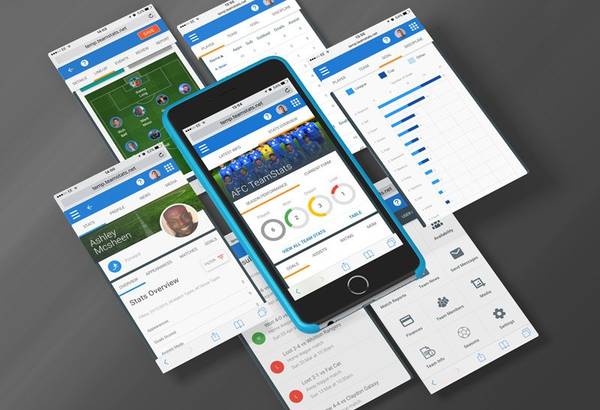
Ready to connect your club? Get started with the team management app that brings scheduling, communication, finance, development tracking, and analytics into one platform - everything needed to transform disconnected operations into a thriving, unified football club software ecosystem.
═══════════════════════════════════════════════════════════════