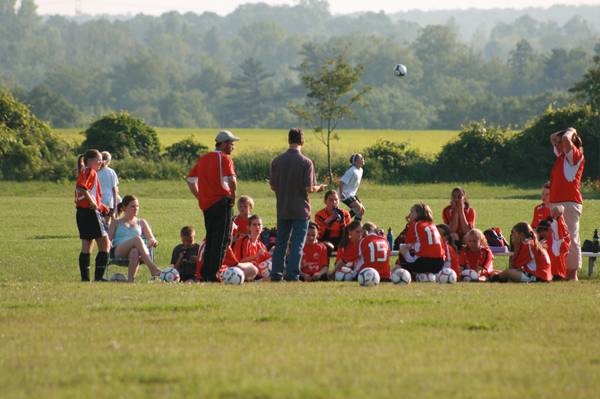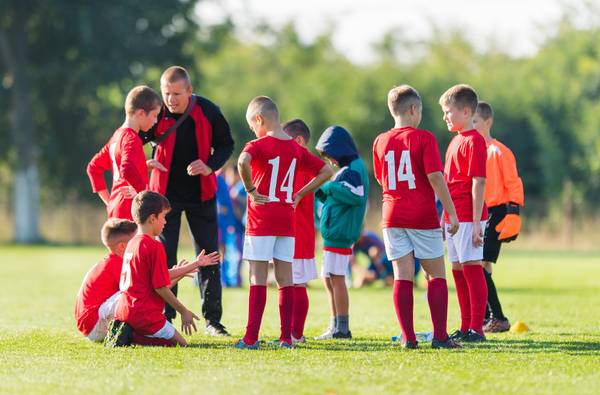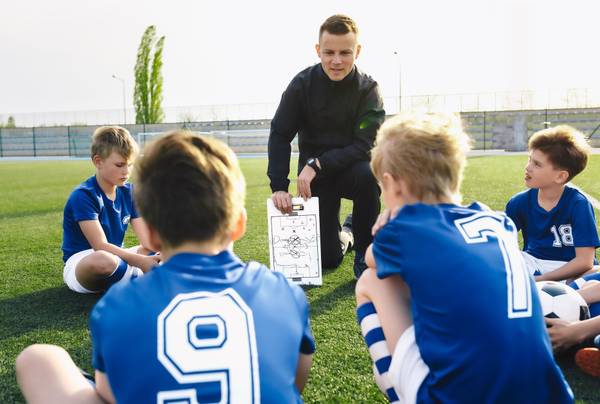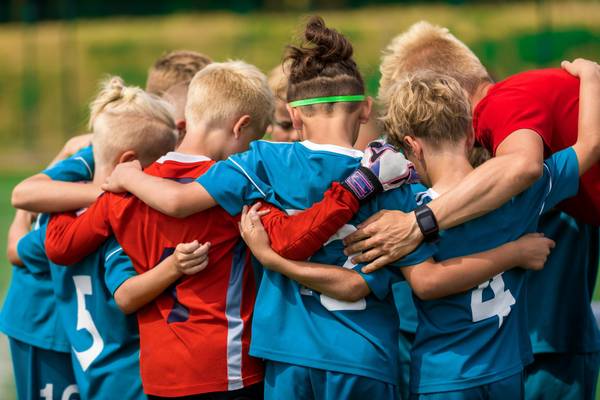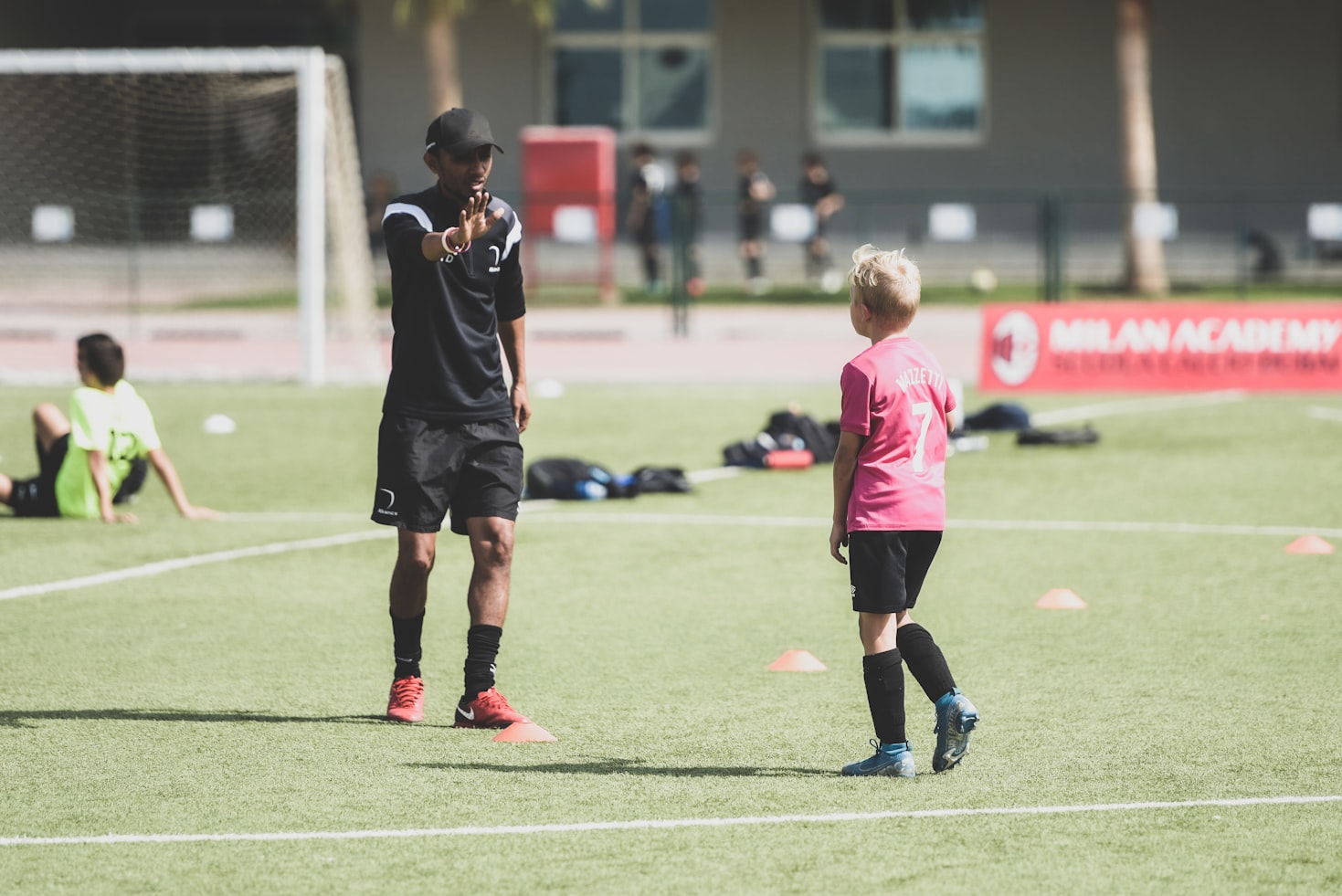

After coaching and being involved in football for so long, I’m sure like many of you, you can usually tell how the game is going to pan out just from the warm up. Some days, the players are really focused and “on it”, the ball gets zipped around in the warm up drills, the body language is really positive and you know you’re in for a good day. On other days you turn up and everything looks laboured from the start, shoulders are slumped, the hoods are pulled up over their heads, and they look tired and sluggish before they’ve even properly got started.
At our level of the game, where emotions sit close to the surface and confidence can be sky high or down on the floor in an instant, the body language of us and our players has a way of shaping performance before the ball really gets moving. It never announces itself loudly, but it influences confidence and togetherness in ways that our words often can’t.
Football is virtually always discussed in terms of tactics, technique and fitness but the non-verbal side of the game carries plenty of weight, particularly in grassroots environments. In junior football, children are still learning about who they are, how they fit into a team and how to cope with pressure and expectation. In senior grassroots football, players arrive carrying the baggage of work, family life, life pressures, past injuries and years of footballing experiences, both good and bad. In both cases, their body language often becomes shared across the team. Sloping shoulders, a sigh or throwing arms up in the air can communicate how someone is feeling far more quickly than a shouted instruction ever could.
One reason body language matters so much at grassroots level is the closeness of the setting. There is no distance between players and coaches. Our faces are visible and our reactions are blatantly obvious, and nothing is hidden behind the noise of a crowd. When a player drops their head after a mistake, everyone sees it. When a striker throws their arms up in frustration at a teammate who didn’t pass them the ball, the message lands immediately. These moments don’t exist in isolation but they build, minute by minute and shape the emotional state of the team and influence how the players respond to the next challenge.
Confidence, which is often fragile enough in grassroots football, is particularly sensitive to these non-verbal cues. For younger players especially, who are still learning by studying the behaviour and reactions of those around them, their confidence is not just about how well they play but how they feel they are being perceived. A coach who sighs, folds their arms or shakes their head after a mistake may just be reacting naturally or mean any harm, but a child will undoubtedly interpret those signals as disappointment or disapproval. Over time this makes players hesitant, cautious and afraid to take risks. On the other hand, a calm posture on the touchline, a nod of encouragement or a relaxed, open stance can send a powerful message that mistakes are part of learning. These small signals help create an environment where players feel safe enough to try, fail and improve their game.
In senior grassroots football, confidence often looks different but is no less affected by body language. Adult players may sometimes be better at hiding their emotions, but they are acutely aware of how they are viewed by their teammates. The striker who avoids eye contact after missing an easy chance is probably already withdrawing from the game, making fewer runs and becoming less likely to get another chance to score. The players who considers themselves to be one of the strongest who constantly gestures in frustration can disrupt rhythm and trust through the team without ever needing to say a word. Teams that appear confident are often not the most technically gifted, but the ones whose collective body language shows belief and purpose, even when things are going against them.
The morale of a team, which is often talked about but rarely defined in detail, is built through these small, repeated interactions. A quick clap of encouragement after a misplaced pass, a reassuring pat after a defensive error or simply staying engaged and communicative can lift individual players and a team as a whole. Visible irritation, blame or sulking can quickly drag morale down, particularly in teams without the strong leadership amongst the group. At grassroots level, where teams may train infrequently and change personnel often, these non-verbal moments can be the glue that holds a group together.
Leadership itself is closely tied to body language, especially in grassroots football where leadership is often informal. Players look for cues from those around them when things go wrong. A coach who stays upright, composed and engaged after conceding a goal sends a message that the situation is manageable and retrievable. The player who keeps demanding the ball, maintaining eye contact and using positive gestures, can steady a team during their difficult spells. These behaviours are rarely accidental, they’re the habits that are formed through awareness, experience and reflection.
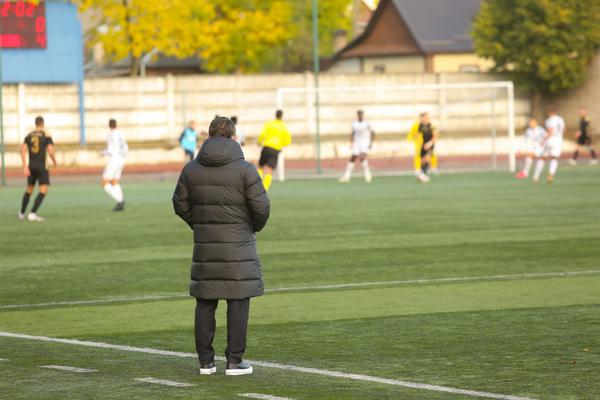
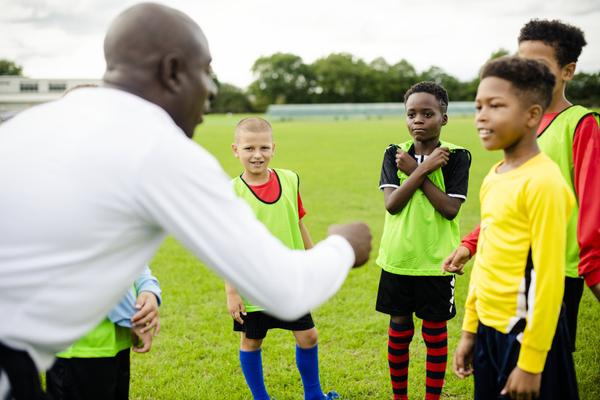
Coaches virtually always have the strongest influence on the non-verbal environment of a team. At our level most coaches are volunteers, juggling their limited time, multiple roles and plenty of pressure. Even so, their body language carries real weight and how the coach stands on the touchline, reacts to decisions or speaks to their players during breaks shapes the emotional feeling of the group. A constantly tense or animated coach can pass that anxiety on to players without even realising it. The coach that remains calm, open and consistent, even when they’re burning with frustration inside, demonstrates their emotional control and resilience in a way that players can notice.
Self awareness is often the missing piece and most players and coaches are unaware of the signals they’re sending, particularly in moments of stress. Encouraging reflection can be valuable, especially with older juniors and adult teams but simple conversations about how certain reactions are perceived can open anyone’s eyes. A player may not realise that turning away after a teammate’s mistake feels like rejection, even if the intention was simply to reset. Bringing these behaviours into the open allows teams to agree, often informally, on what supportive behaviour looks like.
In junior football, this awareness can be developed gently and naturally. It doesn’t require lectures or rigid rules and coaches can simply highlight positive moments, praising players who encourage teammates or show resilience after mistakes. Over time, children begin to understand that football is not just about what they do with the ball, but how they carry themselves and treat others.
In what is already a potentially difficult environment, our body language also influences interactions with referees. Our referees, many of whom are young or inexperienced, are just as sensitive to the atmosphere around them and frustrated gestures, sarcastic applause or constant gesturing can escalate situations unnecessarily. Respectful body language, even in disagreement, contributes to calmer matches and sets a strong example, particularly for younger players.
Emotions spread quickly in football, and body language is one of the main ways this happens. An outwardly enthusiastic player or coach can lift the energy of a team, just as a visibly frustrated one can drag it down. Understanding this helps us realise that everyone contributes to the collective mood, not just the loudest voices or the most talented individuals.