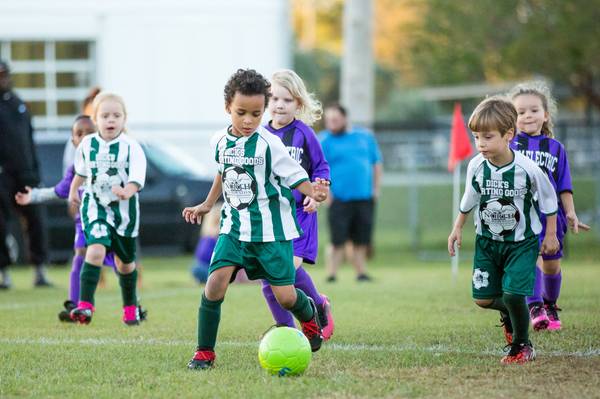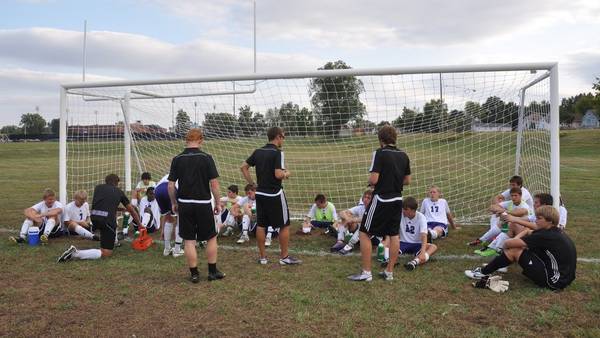

Grassroots football teams face a challenge that professional clubs rarely encounter: keeping players and parents committed for multiple seasons without contracts, transfer fees, or guaranteed playing time. When a player leaves mid-season or parents disengage from team activities, the impact ripples through squad dynamics, team morale, and even match results.
The difference between teams that maintain stable squads for years and those facing constant turnover often comes down to loyalty - not blind devotion, but the earned commitment that develops when players feel valued and parents feel respected. This loyalty doesn't emerge from winning alone. Research from the Youth Sport Trust shows that 70% of children who quit organised sport cite negative experiences or feeling undervalued as primary reasons, not losing matches.
Building this loyalty requires intentional effort across three interconnected areas: consistent communication, transparent decision-making, and creating genuine community connections. Teams that excel in these areas report 60% higher player retention rates and significantly more parent volunteers willing to support club activities.
Understanding What Drives Football Loyalty Building
Loyalty in grassroots football differs fundamentally from customer loyalty in commercial settings. Parents aren't purchasing a service - they're entrusting their child's development and wellbeing to volunteer coaches. Players aren't consuming entertainment - they're investing emotional energy, physical effort, and social capital into team relationships.
This distinction matters because traditional loyalty-building tactics from business contexts often fall flat in grassroots environments. Offering "rewards" for attendance feels transactional. Creating "exclusive benefits" for certain families breeds resentment. What actually builds loyalty is demonstrating consistent care for each player's development and maintaining open, honest relationships with parents.
Three factors consistently predict long-term commitment from players and families:
Perceived fairness - Parents and players need to see that decisions about playing time, team selection, and opportunities follow consistent principles rather than favouritism. This doesn't mean equal playing time for all ages, but it does mean transparent criteria that everyone understands.
Personal growth - Players stay engaged when they can see tangible improvement in their skills and understanding of the game. Parents remain committed when they observe their child developing confidence, resilience, and social skills alongside technical ability.
Belonging - Families invest in teams where they feel genuinely welcomed and valued as part of a community, not just spectators or taxi services. This sense of belonging extends beyond match days to social events, training sessions, and digital communication channels.
Teams that prioritise these three elements create environments where football loyalty building develops naturally rather than needing to be manufactured through gimmicks or pressure.
Creating Communication Systems That Build Trust
Communication failures destroy loyalty faster than any other factor in grassroots football. When parents learn about fixture changes through casual conversations rather than official channels, when players discover team news on social media before coaches tell them directly, or when important decisions happen without explanation, trust erodes rapidly.
Effective communication systems don't require sophisticated technology or marketing expertise. They require consistency, clarity, and genuine two-way dialogue. The most successful grassroots teams establish clear communication protocols that everyone understands:
Weekly touchpoints create predictable rhythms that parents and players can rely on. This might include a Sunday evening message summarising the week ahead, a Wednesday training update, and a Friday match preparation note. The specific timing matters less than the consistency - families need to know when and where to look for information.
Multiple channels acknowledge that different families prefer different communication methods. Some parents engage readily with football coaching apps and digital platforms, whilst others respond better to face-to-face conversations at training. Providing information through varied channels (without creating conflicting messages) ensures everyone stays informed.
Response expectations set clear boundaries around availability whilst demonstrating respect for parents' questions. Establishing that non-urgent queries receive responses within 24 hours during weekdays prevents both the expectation of instant replies and the frustration of messages disappearing into silence.
The communication approach should also differentiate between information types. Match logistics (kick-off times, venue details, kit requirements) need broad distribution through reliable channels. Individual player feedback works best through private conversations. Team tactical discussions might happen during training sessions with follow-up notes for absent players.
One under-utilised communication tool for building loyalty is explaining the "why" behind decisions. When coaches take 30 seconds to explain why they've chosen a particular formation or made a specific substitution, players develop tactical understanding and parents gain insight into coaching rationale. This transparency prevents the assumption that decisions are arbitrary or unfair.
Making Player Development Visible and Valued
Players develop loyalty to teams where they can see themselves improving. This seems obvious, yet many grassroots coaches focus so heavily on match results that individual development becomes invisible to players and parents. When a child can't articulate what they've learned or improved over a season, their commitment to the team naturally weakens.
Making development visible requires structured approaches to tracking and communicating progress. This doesn't mean complex performance analysis systems or data-heavy reports. Simple, consistent methods work better:
Specific feedback replaces generic praise with concrete observations. Instead of "great work today," effective coaches say "your first touch has improved significantly - you controlled four difficult passes under pressure today compared to struggling with similar situations three weeks ago." This specificity helps players recognise their progress and understand what to continue practising.
Individual development conversations create dedicated time for players to discuss their progress, set goals, and understand their pathway within the team. Even 10-minute quarterly conversations signal that coaches genuinely care about each player's journey rather than viewing them as interchangeable squad members.
Position-specific coaching demonstrates investment in individual players' needs. When coaches provide tailored guidance for defenders, midfielders, and forwards rather than generic team instructions, players feel valued for their specific contributions. This approach works particularly well when integrated with digital tools that allow coaches to share team management resources and position-specific development materials.
Parents also need visibility into their child's development, but through age-appropriate lenses. For younger age groups, development conversations might focus on fundamental movement skills, confidence growth, and social integration. For older players, discussions can incorporate more sophisticated tactical understanding and technical refinement.
Recording development through simple methods - quarterly skill assessments, video clips showing improvement, or written progress notes - provides tangible evidence that reinforces loyalty. When parents can see documented progress over months and years, they're far more likely to maintain commitment through temporary setbacks or challenging periods.
Building Parent Engagement Beyond Matchday Support
Parent engagement patterns reveal much about team loyalty levels. Teams with strong loyalty see parents volunteering for various roles, attending social events, and actively supporting club activities. Teams struggling with loyalty often have parents who drop children at training, watch matches from their cars, and avoid involvement beyond minimum requirements.
This engagement gap rarely stems from lack of care about their child's experience. More often, it reflects unclear expectations, previous negative experiences, or simple uncertainty about how to contribute meaningfully. Creating pathways for parent engagement requires removing barriers and providing varied involvement opportunities:
Defined roles with clear boundaries help parents understand what's needed without fear of overwhelming commitment. Rather than vague requests for "help," successful teams specify: "We need someone to coordinate half-time refreshments - approximately 30 minutes before each home match, budget provided, no preparation required." This specificity makes volunteering feel manageable rather than open-ended.
Non-matchday involvement opportunities recognise that some parents work weekends or have commitments that prevent match attendance. Offering weekday equipment organisation, social media support, or administrative tasks allows these families to contribute meaningfully despite schedule constraints.
Social connection points beyond football create community bonds that strengthen loyalty. Teams that organise occasional social events - end-of-season barbecues, quiz nights, or family activity days - build relationships between families that extend beyond touchline conversations. These connections create social networks that increase commitment to the team.
The most effective parent engagement strategies also include regular appreciation. This doesn't require elaborate recognition programmes - simple acknowledgement of contributions during team communications or brief personal thanks goes remarkably far. Parents who feel valued for their involvement develop stronger loyalty to the team and model positive engagement for their children.
Some teams successfully create parent committees or representative groups that provide structured input into team decisions without undermining coaching authority. When parents have appropriate channels to voice concerns, suggest improvements, or contribute ideas, they feel invested in the team's direction rather than passive consumers of coaching services.
Handling Difficult Conversations That Preserve Loyalty
Every grassroots team faces situations that test loyalty: players unhappy with playing time, parents questioning team selection, families considering moves to other clubs, or disagreements about coaching approaches. How coaches and managers handle these difficult conversations often determines whether relationships strengthen or fracture.
The instinct to avoid confrontation or dismiss concerns damages loyalty far more than addressing issues directly. Players and parents respect honest, thoughtful responses even when they disagree with outcomes. Several principles guide difficult conversations that preserve rather than destroy football loyalty building:
Proactive timing addresses concerns before they escalate. When coaches notice a player seems disengaged or a parent appears frustrated, initiating conversation early prevents small issues from becoming loyalty-breaking crises. This proactive approach demonstrates genuine care for relationships.
Private settings respect dignity and prevent defensive reactions. Discussing playing time, behaviour concerns, or team selection in front of other families creates embarrassment that permanently damages relationships. Private conversations allow honest dialogue without public pressure.
Listening before explaining validates concerns and often reveals underlying issues that differ from surface complaints. A parent questioning playing time might actually be worried about their child's confidence or social integration. A player expressing frustration about position might be struggling with skill development or peer relationships. Understanding root concerns allows more effective responses.
Clear principles without guarantees help families understand decision-making frameworks whilst acknowledging that specific outcomes vary. Explaining that playing time reflects training effort, match situation, and opponent tactics provides context without promising specific minutes. This transparency builds trust even when families disagree with particular decisions.
Follow-up actions demonstrate that conversations lead to genuine consideration rather than empty reassurance. When coaches commit to monitoring a situation, providing additional feedback, or adjusting an approach, following through on these commitments proves reliability and strengthens loyalty.
Some situations ultimately lead to families leaving teams, and handling departures graciously also impacts loyalty - both for departing families who might return and for remaining families who observe how the team treats people during transitions. Maintaining positive relationships with departing players, wishing them well, and leaving doors open for potential returns demonstrates secure, confident team culture that actually strengthens loyalty among remaining members.
Creating Team Identity That Builds Collective Loyalty
Individual player and parent loyalty connects to broader team identity - the shared sense of what the team stands for and represents. Teams with strong identities develop collective loyalty that transcends individual relationships with coaches or specific players. This collective loyalty sustains teams through coaching changes, player transitions, and challenging seasons.
Building meaningful team identity requires moving beyond superficial elements like kit colours or team nicknames towards shared values and traditions that resonate with players and families:
Consistent playing philosophy helps players understand what their team prioritises. Whether emphasising possession football, pressing intensity, or developmental rotation policies, consistency in approach creates identity. Players and parents who align with these priorities develop stronger football loyalty building than those joining teams with constantly shifting philosophies.
Meaningful traditions create shared experiences that build collective memory. These might include pre-match routines, end-of-season awards with specific significance, or celebration rituals after goals. The specific traditions matter less than their consistency and genuine meaning to team members.
Community connections link teams to broader contexts beyond immediate squad members. Teams that support local charities, participate in grassroots football initiatives, or engage with their local leagues develop identities rooted in community contribution rather than just competitive success.
Inclusive culture markers signal that the team values every member regardless of ability level or background. This might include ensuring all players receive meaningful playing time in appropriate contexts, celebrating diverse contributions beyond goals and assists, or actively welcoming new families into established team cultures.
Team identity also emerges through how teams handle adversity. Squads that maintain positive culture during losing streaks, support teammates through mistakes, and demonstrate resilience in challenging matches develop stronger collective loyalty than teams that fracture under pressure. Coaches play crucial roles in modelling and reinforcing these cultural elements.
Digital platforms can strengthen team identity by creating shared spaces for communication, celebration, and connection. When teams use consistent channels for sharing match highlights, training updates, and team news, these platforms become part of team identity. Tools like TeamStats help teams maintain this consistent digital presence without requiring significant time investment from volunteer coaches.
Measuring and Maintaining Loyalty Over Time
Football loyalty building isn't a one-time achievement but an ongoing process requiring attention and adjustment. Teams that maintain high loyalty levels actively monitor relationship health and address emerging issues before they escalate into departure decisions.
Several indicators reveal loyalty levels within teams:
Retention rates provide the most obvious measure - what percentage of players return for subsequent seasons? Teams with strong loyalty typically see 80-90% retention rates outside normal transition points like moving between age groups or relocating families.
Voluntary engagement shows commitment beyond minimum requirements. Do families attend optional social events? Do players arrive early to training or stay late to practise? Do parents volunteer for team roles without repeated requests? These behaviours signal strong loyalty.
Communication responsiveness indicates engagement levels. When team messages receive quick replies and parents proactively share availability information, it demonstrates investment in team success. Declining responsiveness often precedes departure decisions.
Peer recruitment represents the strongest loyalty indicator. When current players actively recruit friends to join the team and parents recommend the club to other families, they're expressing confidence in the team experience. This organic growth through recommendations signals exceptional loyalty levels.
Maintaining loyalty requires regular relationship investment, particularly during transition periods. When teams move between age groups, change coaches, or shift competitive levels, loyalty faces testing. Proactive communication during these transitions, clear explanation of changes, and maintaining core team identity elements help preserve loyalty through uncertainty.
Teams should also periodically gather structured feedback from players and parents. Simple annual surveys asking what's working well, what could improve, and what matters most to families provide valuable insight into loyalty drivers and potential concerns. This feedback process itself strengthens loyalty by demonstrating that leadership values member perspectives.
Conclusion
Building loyalty among players and parents in grassroots football requires intentional effort across multiple dimensions: consistent communication that builds trust, visible player development that demonstrates progress, meaningful parent engagement beyond matchday support, skilled handling of difficult conversations, strong team identity, and ongoing relationship maintenance.
The investment in football loyalty building delivers returns far beyond player retention statistics. Teams with strong loyalty experience more stable squads that develop better chemistry and understanding. Parents become active contributors rather than passive spectators. Players develop deeper commitment to improvement and team success. The entire team culture strengthens, creating positive cycles where loyalty reinforces itself.
This loyalty doesn't require professional resources or sophisticated systems. It emerges from consistent application of fundamental principles: treating players and families with respect, communicating openly and honestly, demonstrating genuine care for individual development, and creating inclusive communities where everyone feels valued.
For grassroots teams seeking to strengthen loyalty, the starting point isn't complex strategy but honest assessment: Do players and parents currently feel valued, informed, and connected to the team? Where communication breaks down, relationships strain, or engagement falters, opportunities exist to build stronger loyalty through focused attention and consistent effort. The teams that prioritise these relationship investments create sustainable football environments where players and families choose to remain not from lack of alternatives, but from genuine commitment to the team and community they've helped build.
Build lasting loyalty with TeamStats to create consistent communication, track player development, and strengthen parent engagement that keeps families committed for seasons to come.
═══════════════════════════════════════════════════════════════