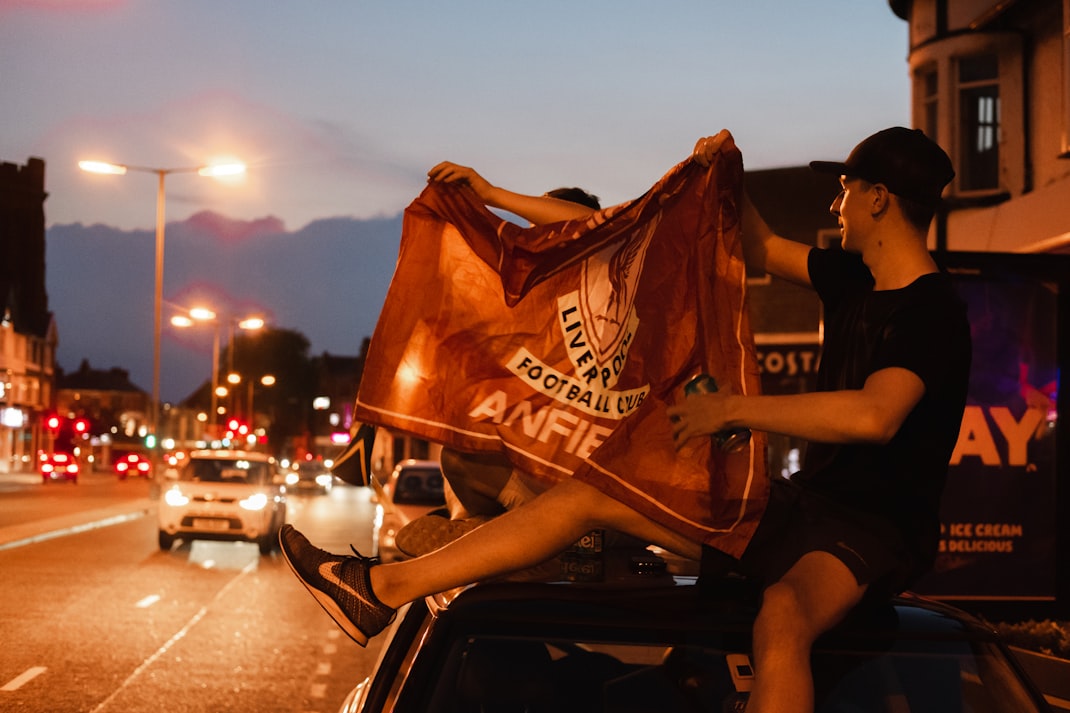
Every football supporter has watched a team dominate a match and somehow lose. You can study the form, know the players and understand the tactics, yet still get the result completely wrong. So what are we missing before kick-off?
We've all watched one of those matches where the result looks settled before anybody's kicked a ball. The league leaders are playing a team that's lost five on the trot, the home side's leading scorer is in terrific form, and you'd be hard-pressed to find anyone expecting an upset. Then the visitors score after 12 minutes, somebody misses a sitter, and suddenly the favourites are chasing a game they were supposed to win comfortably. Football has a wonderful habit of making perfectly sensible predictions look ridiculous, even when you've done your homework.

The Form Book Only Gets You So Far
There's a reason supporters study league tables before a big match. A team sitting comfortably at the top has probably earned its position, and five consecutive victories suggest the manager is getting something right. You'd certainly rather face a side that's lost its last five matches than one that's won them.
The trouble starts when we treat those results as the whole story. Five wins against teams battling relegation tell you something different from five wins against title contenders. Likewise, a side might lose three matches despite creating enough chances to win all of them. The scoreline tells you what happened, but the performance deserves a closer look.
Football betting provides a good example of the difference between expectations and what actually happens on the pitch. If you want to know more about 5Gringos platform , its sportsbook includes both pre-match and live football betting. The distinction becomes particularly interesting once the match gets underway and the action starts challenging those pre-match predictions.
The odds before kick-off reflect expectations about the match. Once play begins, those expectations face their first proper examination. Sometimes the opening ten minutes tell you plenty.
The Opposition Have a Game Plan Too
Football managers spend the week preparing for opponents, which is why the strongest team doesn't always get the match it wants.
Take a side that likes to dominate possession and play through midfield. Against most opponents, that approach might work beautifully. Then they meet a team whose manager has spent the week drilling his players to close down the passing lanes. Suddenly, those lovely little combinations that usually produce chances are going nowhere.
The weaker side might have only 30% possession, but that's perfectly acceptable when the plan is to defend deep and attack on the break. Their manager knows his players aren't going to outpass the league leaders, so he gives them a job they can realistically do.
One Goal Can Change Everything
Remember our struggling visitors who scored after 12 minutes? Their manager now has a decision to make. Does he keep attacking, or does he tell everyone to get behind the ball and protect that precious lead?
The home manager has a problem of his own. His team expected to control the match, but now they're a goal down and the crowd is getting restless.
You can almost predict what happens next. The full-backs push further forward, the midfielders start taking chances with their passes, and the home side commits extra players to attack.
That creates opportunities at the other end. One decent clearance can turn into a counterattack against two defenders, particularly when the visitors have a quick striker waiting near the halfway line.
By the 70th minute, both managers might be making substitutions they never expected to need. The match has become a different contest from the one they prepared for.
Football Has a Habit of Throwing Up Surprises
Even the best tactical preparation cannot account for everything that happens during 90 minutes.
A goalkeeper comes for a cross and gets nowhere near it. The ball hits a defender's heel and rolls into the net. Suddenly, a team that has dominated the afternoon is losing because of one unfortunate incident.
Red cards can be even more disruptive. Playing with ten men for an hour forces a manager to reconsider his entire approach, particularly when the opposition has enough quality to exploit the extra space.
There's also the simple business of finishing chances. A striker might score twice from three opportunities one Saturday, then miss four excellent chances the following weekend.
Football produces plenty of games where the better-performing team loses. Supporters can argue about whether the result was deserved, but the scoreboard doesn't award points for deserving anything.
The Final Whistle Settles the Argument
Our league leaders might eventually recover to win 3–1. Perhaps they spend the afternoon attacking a packed defence and lose 1–0 instead. Either result has a story behind it, and understanding that story is one of the pleasures of watching football.
The form book gives supporters a sensible starting point. Knowing the players and understanding the tactics helps you appreciate what happens next, but there's always room for somebody to do something unexpected.
And thank goodness for that. Imagine spending every Saturday watching matches where the league table had already decided the winner. Football would get boring pretty quickly.