
Match reports remain one of grassroots football's most time-consuming administrative tasks. After spending 90 minutes managing a team from the touchline, the last thing most volunteer coaches want to do is spend another 30 minutes writing up what happened. Yet match reports serve crucial purposes - they document player development, satisfy league requirements, keep parents informed, and create a historical record of the season.
The traditional approach creates a bottleneck. Coaches scribble notes during matches, often losing crucial details in the heat of the moment. Parents message asking for updates whilst managers are still packing away equipment. League secretaries chase overdue reports days after fixtures. The administrative burden grows heavier with each passing week, particularly for those managing multiple age groups or teams.
Automated match reporting transforms this entire process. Modern technology captures match data in real-time, generates comprehensive reports automatically, and distributes them to relevant parties within minutes of the final whistle. This isn't about replacing the human element of coaching - it's about freeing coaches to focus on what matters most: developing players and building teams.
The Hidden Cost of Manual Match Reports
Most grassroots football managers underestimate how much time match reporting actually consumes. Consider a typical Sunday morning scenario: the match finishes at 11:30am, equipment gets packed away by noon, and the coach finally sits down at home around 1pm to write the report. By the time they've recalled key moments, checked the team sheet, and typed everything up, it's 1:30pm or later.
Multiply this across a 30-match season, and each manager spends roughly 15 hours per year just writing match reports. For those running multiple teams, this figure doubles or triples. That's time that could be spent planning training sessions, watching player development resources, or simply recovering from the physical and mental demands of matchday.
The quality of reports suffers too. Memory fades quickly after matches. By Monday evening, when a manager finally finds time to write up Saturday's fixture, specific details have blurred. Which defender made that crucial tackle in the 23rd minute? Who provided the assist for the second goal? These details matter for player development tracking, but they're easily lost without systematic capture.
Parents notice the delay as well. In an era where professional match reports appear online within minutes, grassroots football families increasingly expect timely updates. When reports arrive days late - or not at all - it creates unnecessary friction between managers and supporters.
How Automated Match Reporting Actually Works
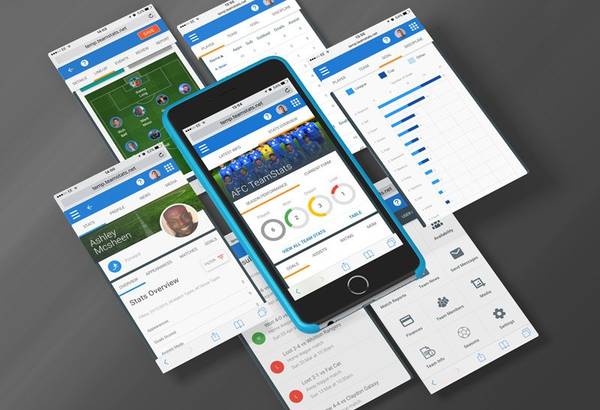
The technology behind automated match reporting isn't complex, but it does require a shift in how coaches capture information during matches. Rather than scribbling on paper or trying to remember everything, managers use a team management app to record key events as they happen.
During the match, the coach or an assistant taps their phone to log goals, assists, substitutions, and other significant moments. This takes seconds per event - far less disruptive than traditional note-taking. The system timestamps each entry and associates it with specific players, building a structured dataset of the entire match.
Once the final whistle blows, the platform processes this data automatically. It generates a formatted report containing the scoreline, goalscorers, player participation, and match statistics. The report can include tactical observations, disciplinary information, and development notes that the coach added during or immediately after the fixture.
Distribution happens automatically as well. Parents receive notifications with the report within minutes. League administrators get the version they need for their records. The club's archive updates automatically. What once required 30 minutes of manual work now happens instantaneously.
Essential Elements of Effective Automated Reports
Not all automated systems produce equally useful reports. The best platforms balance comprehensive data capture with practical usability for volunteer coaches. Several elements separate genuinely helpful automated match reporting from basic scoreline notifications.
Player participation tracking forms the foundation. Every player who takes the pitch should appear in the report, with accurate records of playing time. This matters enormously for youth football development - coaches need to demonstrate fair playing time distribution, and players deserve recognition for their contribution even when they don't score.
Event logging with context goes beyond simple goal notifications. When a player scores, the report should capture who assisted, what minute it occurred, and ideally some tactical context. Did the goal come from a set piece? Was it a counter-attack? These details transform a basic scoreline into a developmental record.
Tactical observations require human input but shouldn't require extensive writing. The best systems let coaches select from common tactical patterns or add brief voice notes that get transcribed. A manager might note "struggled with opponent's high press first half, adjusted at halftime by going more direct" - this takes 30 seconds to record but provides valuable context.
Disciplinary records must be accurate for league compliance. Yellow and red cards need proper documentation, including the time, player involved, and reason. Automated match reporting systems ensure this information reaches league officials without requiring separate submission processes.
Statistical summaries add depth without extra work. If the system tracks possession, shots, or corners during the match, including these statistics enriches the report. However, statistics should supplement rather than replace narrative context - grassroots football isn't won on spreadsheets.
Integration With League Management Systems
The true power of automated match reporting emerges when individual team systems connect with broader league infrastructure. Many grassroots football leagues now operate digital platforms that aggregate results, manage tables, and coordinate fixtures across dozens of teams.
When a team's match report system integrates directly with their league's platform, several administrative burdens disappear simultaneously. The scoreline updates the league table automatically. Goalscorer statistics feed into the league's golden boot tracking. Disciplinary records reach the appropriate officials without separate emails or phone calls.
This integration particularly benefits Sunday league teams and youth leagues that operate across multiple divisions and age groups. Rather than each manager individually submitting results to league secretaries - often via text message or WhatsApp - the data flows automatically from pitch to league system.
TeamStats exemplifies this integrated approach, connecting individual team management with league-wide coordination. When a coach using the platform completes their match data entry, the information simultaneously updates their team's records and their league's central database.
Balancing Automation With Personal Touch
Technology handles data processing brilliantly, but grassroots football thrives on human connection. The most effective automated match reporting systems recognise this balance, automating administrative tasks whilst preserving space for personal observations and coaching voice.
A completely automated report might accurately state "Jamie Smith scored in the 34th minute, assisted by Tom Williams." But a report enhanced with brief coaching commentary might note "Jamie showed excellent positioning to finish Tom's cross - exactly what we've been practising in training." That additional sentence takes ten seconds to add but transforms the report from data output to coaching communication.
Parents particularly value this personal element. They understand their child's match experience through the coach's eyes, not just through statistics. A note like "Sarah's defensive positioning improved significantly today, particularly in one-on-one situations" provides developmental feedback that pure automation cannot deliver.
The key is making this personal input effortless. Voice notes that get automatically transcribed work well. Quick-select options for common observations ("showed good teamwork", "developing confidence", "excellent attitude") let coaches add personal touches without extensive typing. The system should feel like it's amplifying the coach's voice, not replacing it.
Real-Time Benefits for Parents and Supporters
Match day communication has evolved dramatically in recent years. Parents who cannot attend fixtures expect timely updates, particularly for youth football teams where work commitments often clash with match schedules. Automated match reporting meets this expectation without creating additional burden for coaches.
Real-time goal notifications exemplify this benefit. When a player scores, the system can automatically send notifications to parents within seconds. Families following from home get immediate updates. Grandparents who couldn't travel still feel connected to the match. This happens without the coach needing to stop, pull out their phone, and compose a message.
Post-match reports arriving within minutes of the final whistle transform the parent experience. Rather than waiting until Monday evening for an email, families can review the match report during the drive home. Players can discuss specific moments whilst they're fresh in everyone's memory. This immediacy strengthens the connection between coaching staff and supporter base.
For clubs using platforms like football coaching apps, the communication extends beyond match reports. Training attendance, upcoming fixture changes, and team announcements all flow through the same system. Parents get one consistent source of information rather than juggling multiple WhatsApp groups, email threads, and verbal touchline conversations.
Data Accumulation for Development Tracking
Individual match reports provide immediate value, but their cumulative data creates something even more powerful: a comprehensive development record spanning entire seasons or multiple years. This longitudinal view reveals patterns and progress that single-match observations cannot capture.
Consider a youth player's goalscoring record across a season. Manual reporting might note that they scored 12 goals, but automated match reporting systems reveal the full picture: six came from set pieces, four from counter-attacks, two from sustained possession build-up. They scored predominantly with their right foot. Their conversion rate improved significantly in the season's second half. This granular data informs targeted development work.
Playing time distribution becomes transparent and defensible. When parents question whether their child receives fair opportunities, coaches can reference objective data showing minutes played across all fixtures. This evidence-based approach prevents misunderstandings and demonstrates the coach's commitment to equitable participation.
Tactical evolution becomes visible too. A manager can review how their team's formation choices correlated with results across the season. Did switching from 7-a-side formations improve defensive solidity? Did certain player combinations consistently produce better performances? The data reveals what worked and what didn't.
Reducing Administrative Burden for Multi-Team Managers
Coaches managing multiple teams face exponentially greater administrative challenges. A manager overseeing both an under-12s and under-14s team might handle 60+ matches per season. Writing individual reports for each fixture becomes genuinely unsustainable alongside training sessions, parent communication, and the manager's own work and family commitments.
Automated match reporting scales effortlessly. The same quick data entry process works identically whether managing one team or five. Reports generate automatically regardless of how many matches occur each weekend. The time saving multiplies with each additional team - instead of spending two hours writing reports for Saturday's fixtures, the manager spends ten minutes capturing data during each match.
This scalability matters enormously for club development. Clubs often struggle to recruit managers for additional age groups because the administrative burden appears overwhelming. When technology reduces that burden significantly, more volunteers become willing to step forward. The club can expand its provision without requiring superhuman time commitment from managers.
Cross-team analysis becomes possible as well. A club using consistent automated match reporting across all age groups can identify patterns in player development, coaching effectiveness, and competitive performance. This organisational insight informs better decision-making about coaching appointments, player pathways, and resource allocation.
League Compliance and Record-Keeping
Grassroots football leagues impose various reporting requirements, often with specific deadlines and formats. Missing these deadlines can result in fines, points deductions, or fixture conflicts. Yet volunteer managers juggling multiple responsibilities sometimes struggle to meet every administrative demand.
Automated match reporting systems ensure compliance by design. When match data entry happens during or immediately after the fixture, the required information reaches league officials well within any deadline. There's no risk of forgetting to submit results or losing the scrap of paper with crucial details.
Format consistency improves as well. Different managers have different writing styles and varying interpretations of what information leagues require. Automated match reporting systems standardise output, ensuring every report contains the essential elements in the expected format. League administrators spend less time chasing missing information or deciphering unclear submissions.
Historical record-keeping becomes reliable too. Paper-based systems degrade over time. Email threads get lost. But digital records persist indefinitely, searchable and accessible years later. This matters for resolving disputes, tracking long-term trends, and preserving club history.
Choosing the Right Automated Reporting System
Not every automated match reporting platform suits every team's needs. Several factors determine whether a particular system will genuinely reduce burden or simply add another digital tool to manage.
Ease of use during matches ranks paramount. If the system requires complex navigation or multiple taps to record simple events, coaches won't use it consistently. The interface must work with gloves on, in bright sunlight, and whilst managing 15 players and watching the match. Simplicity beats feature complexity every time.
Offline functionality matters for grassroots football venues. Many community pitches lack reliable mobile signal. Systems that require constant internet connectivity fail precisely when coaches need them most. The best platforms work offline, syncing data once connectivity returns.
Customisation options let teams tailor reports to their specific needs. Youth football teams might prioritise developmental observations and playing time equity. Adult Sunday league teams might focus more on performance statistics and tactical analysis. The system should adapt to different contexts rather than imposing a one-size-fits-all approach.
Integration capabilities determine how well the system fits into existing workflows. Does it connect with the team's league platform? Can it export data for season-end reviews? Does it work alongside other coaching tools the team already uses? Isolated systems create more work, not less.
Cost and accessibility particularly matter for grassroots football teams operating on limited budgets. The best solutions offer meaningful free tiers or pricing that reflects grassroots financial realities. Premium features should enhance rather than gate-keep essential functionality.
Conclusion
Automated match reporting represents one of grassroots football's most practical technological advances. It doesn't require expensive equipment, specialised training, or fundamental changes to how coaches work. Instead, it simply captures information that coaches already observe, processes it efficiently, and distributes it automatically.
The time savings compound across seasons. A manager who reclaims 30 minutes per match across a 30-match season gains 15 hours - time for an entire week of training sessions, or simply time to rest and recharge between the demands of grassroots football management. That time saving benefits players through better-prepared coaches and benefits the broader grassroots ecosystem through reduced volunteer burnout.
The quality improvements matter equally. Consistent, timely, detailed match reports strengthen communication with parents, support player development tracking, and create valuable historical records. They demonstrate professionalism and organisation that builds confidence among players, families, and league officials.
For teams not yet using automated systems, the transition requires minimal investment. Modern platforms are designed specifically for volunteer coaches with limited technical expertise and time. The learning curve measured in minutes, not weeks. The benefits begin immediately, from the very first match.
Grassroots football thrives when passionate volunteers can focus their energy on coaching and development rather than administrative tasks. Automated match reporting removes one of the most persistent administrative burdens, freeing managers to do what they love: developing players, building teams, and contributing to their local football community. The technology handles the paperwork whilst coaches handle what matters most - the people. Get started with TeamStats to transform your match reporting today.
═══════════════════════════════════════════════════════════════