
Most grassroots football seasons follow a predictable pattern: early optimism, mid-season adjustments, and a scramble to address recurring problems that could have been spotted weeks earlier. The difference between teams that improve throughout a campaign and those that stagnate often comes down to one factor - whether managers actually use the data sitting in their match reports.
Football season planning shouldn't start and end with fixture lists and training schedules. Match reports and performance trends provide a roadmap for tactical development, player development progression, and team selection decisions that can transform results over 30-40 games. Yet many volunteer managers treat match reports as administrative tasks rather than coaching tools, missing patterns that could prevent defensive collapses, unlock attacking potential, or identify players ready for new responsibilities.
The challenge for time-poor grassroots managers is extracting meaningful insights from match data without spending hours analysing spreadsheets. This guide demonstrates how to build a season-long planning framework using match reports and performance trends, turning post-match observations into actionable coaching decisions that develop players and improve results.
Why Match Reports Matter for Season Planning
Match reports serve three distinct purposes that extend far beyond recording scores. First, they create objective records of what actually happened, cutting through the emotional fog that clouds post-match memories. A manager might remember "dominating possession" when match data shows the team completed just 60% of passes and created two clear chances. These factual baselines prevent planning decisions based on selective memory.
Second, match reports identify patterns invisible in single games. A centre-back who loses one aerial duel represents a moment. The same player losing 70% of aerial contests across five matches represents a trend requiring tactical adjustment - perhaps dropping deeper to defend ground balls or partnering with a physically stronger player for set pieces.
Third, comprehensive match documentation enables comparisons across different periods of the season. Teams that track defensive shape, transition speed, or pressing triggers can measure whether training ground work translates to match day improvements. Without this feedback loop, managers repeat ineffective practices whilst wondering why results stagnate.
A team management app streamlines this documentation process, making it realistic for volunteer managers to maintain consistent records throughout a 40-game season without administrative overload.
Building Your Pre-Season Data Framework
Effective football season planning begins before the first fixture, establishing what metrics actually matter for the team's development stage and tactical approach. Youth football teams transitioning from 9-a-side to 11-a-side need different data points than established adult sides, whilst teams implementing new formations require metrics that measure tactical understanding rather than just results.
Start by defining 4-6 key performance indicators that align with seasonal objectives. A U14 team focused on possession development might track pass completion percentage, regains in the attacking third, and progressive passes into the final third. An adult Sunday league side targeting promotion might prioritise clean sheets, set piece conversions, and shots conceded per game.
These metrics must be realistic to track consistently. Volunteer managers cannot replicate professional analysis departments, so focus on observable data points that match officials, parents, or older players can record reliably. Tracking "successful pressing triggers" sounds sophisticated but becomes subjective guesswork without video analysis. Tracking "goals conceded from set pieces" requires only observation and honest documentation.
Create a simple pre-season template that captures:
Match result and scorers (basic record-keeping)
Formation and starting lineup (tactical reference)
Key performance indicators (3-4 measurable metrics)
Significant tactical moments (goals conceded, injuries, formation changes)
Player development notes (standout performances, position experiments)
This framework takes 10-15 minutes to complete post-match but provides season-long value when patterns emerge across multiple fixtures.
Identifying Early Season Trends
The first five matches of any season generate enough data to spot emerging patterns, yet most managers wait until problems become entrenched before responding. Early intervention prevents tactical issues from becoming ingrained habits that require weeks to correct.
Defensive trends typically emerge fastest. Teams conceding goals in the same phase of play - transition moments, wide overloads, or set pieces - reveal structural issues requiring immediate attention. A side that concedes four goals from crosses in the opening three matches needs width management work, not vague instructions to "defend better."
Attacking patterns take slightly longer to establish but still surface within the opening month. Teams creating chances but failing to convert might need finishing practice, or they might be generating low-quality opportunities from poor positions. Match reports that note shot locations reveal whether the problem is technical execution or tactical positioning.
Individual player trends matter equally for development planning. A midfielder consistently receiving the ball facing their own goal needs support runs ahead of them or coaching on body positioning when receiving. A forward winning aerial duels but losing ground battles suggests tactical adjustments to exploit strengths whilst minimising weaknesses.
Track these observations in a running document organised by category. These trend summaries inform training priorities for the next 4-6 weeks, ensuring practice sessions address actual match problems rather than generic drills.
Mid-Season Analysis and Tactical Adjustments
The season's midpoint - typically around 15-20 matches - provides enough data for comprehensive analysis that shapes the second half campaign. This review process shouldn't require statistical expertise, just honest assessment of what the numbers reveal about team performance.
Compare first-quarter and second-quarter metrics to identify improving and declining trends. A team that conceded 1.8 goals per game in the opening ten fixtures but 2.4 in the next ten faces deteriorating defensive performance requiring immediate attention. Conversely, improving attacking output from 1.2 to 1.9 goals per game validates recent tactical work.
Look for correlation between results and specific factors. Do results improve when a particular player starts? Does the team perform better in certain formations? Are home and away performances significantly different? These patterns suggest tactical adjustments that maximise strengths and minimise weaknesses.
Mid-season analysis also reveals whether pre-season objectives remain realistic or require adjustment. A youth team struggling with possession-based football might need to simplify their approach, prioritising defensive organisation and transition play before returning to possession development later in the season or next campaign.
The football coaching apps available to grassroots managers make this mid-season review process manageable, aggregating match data into visual formats that highlight trends without requiring manual calculations.
Using Trends to Inform Player Development
Match report data transforms player development from guesswork into evidence-based progression. Rather than relying on subjective impressions, managers can track individual performance metrics that reveal readiness for new challenges or need for additional support.
Create individual player profiles that track position-specific metrics across the season. For defenders, this might include aerial duel success rate, tackles won, and errors leading to chances. For midfielders, pass completion percentage, progressive carries, and defensive contributions. For forwards, shot accuracy, successful take-ons, and pressing effectiveness.
These profiles identify players outgrowing their current roles. A full-back consistently contributing to attacks with high pass completion rates might be ready to transition into midfield. A winger winning few individual duels but making intelligent runs behind defences might be more effective as a central forward.
The data also highlights players struggling with specific aspects of their role, informing targeted coaching interventions. A centre-back losing most aerial duels needs jumping technique work or tactical positioning adjustments. A midfielder completing just 60% of passes might need simpler passing options or improved scanning habits before receiving the ball.
Youth football particularly benefits from this approach, as player development matters more than immediate results. Tracking individual progress across a season demonstrates growth that league tables might not reflect, maintaining player and parent confidence during challenging periods.
Planning Training Based on Match Trends
Training sessions should directly address patterns emerging from match reports, creating a feedback loop between match day problems and practice ground solutions. This targeted approach makes limited training time more effective than generic drills disconnected from actual performance issues.
If match data shows the team conceding regularly from wide attacks, dedicate training time to defensive width management. Practice full-backs tracking runners, centre-backs covering wide spaces, and midfielders recovering to support. Then monitor whether these interventions reduce wide attacks in subsequent matches.
If attacking metrics reveal chance creation problems, structure training around build-up patterns that exploit opposition weaknesses identified in match reports. Teams struggling to penetrate centrally might work on wide combinations and crossing. Sides creating chances but not converting need finishing practice from realistic positions mirroring match situations.
This evidence-based training approach also helps communicate priorities to players. Instead of vague instructions to "pass better," managers can reference specific match data: "We completed 65% of passes last match, which is below our season average of 72%. Today's session focuses on movement to create passing angles."
Youth football teams benefit particularly from this connection between matches and training. Young players understand concepts better when coaches reference specific match moments: "Remember when we conceded from that counter-attack on Saturday? Today we're practising how to prevent those situations."
Adjusting Tactics Throughout the Season
Match report trends often reveal when tactical systems stop working effectively, signalling the need for formation changes or strategic adjustments. These decisions should be data-informed rather than reactive responses to single poor results.
A team consistently struggling in possession might be playing too complex a system for their technical level. Match data showing low pass completion percentages and frequent turnovers suggests simplifying the approach - perhaps moving from a possession-based 4-3-3 to a more direct 4-4-2 that maximises strengths.
Conversely, teams dominating possession but creating few chances might need tactical evolution towards more aggressive positioning. If match reports show 60% possession but only six shots per game, the team needs to push more players forward or increase passing tempo in the final third.
Formation changes should address specific problems identified through match analysis. A side conceding from wide overloads might add a defensive midfielder to provide width coverage. Teams struggling to create chances might push full-backs higher or switch to a formation with an additional attacker.
Track results and performance metrics for 3-4 matches after tactical changes to assess effectiveness. If the new approach improves target metrics - fewer goals conceded, more chances created, better territorial control - continue with the system. If problems persist or new issues emerge, either refine the approach or revert to what worked previously.
End-of-Season Review and Future Planning
The season's final weeks provide the most valuable planning opportunity - comprehensive review of what worked, what didn't, and what changes will improve the next campaign. This process transforms a season's worth of match data into a strategic roadmap for future success.
Analyse performance metrics across the entire season, identifying the team's strongest and weakest periods. What changed during successful runs? Which factors contributed to poor patches? These insights reveal what conditions enable best performance and what circumstances to avoid or prepare for differently.
Compare individual player development from season start to finish. Which players improved most significantly? Who struggled to progress? What coaching interventions proved most effective? This analysis informs both individual development plans and broader coaching approach adjustments.
Review tactical decisions throughout the season, assessing which formations, strategies, and selection choices delivered best results. This isn't just about wins and losses - youth teams should evaluate whether tactical approaches supported player development goals regardless of results.
Document key lessons learned in a season summary that informs pre-season planning for the next campaign. This documentation ensures hard-won insights aren't lost during the off-season, providing a foundation for more effective planning when the next campaign begins.
Making Data Collection Sustainable
The biggest obstacle to effective football season planning isn't lack of useful data - it's maintaining consistent documentation throughout a 40-game season whilst managing all the other demands on volunteer managers. Sustainability requires systems that minimise administrative burden whilst maximising insight value.
Delegate data collection where possible. Older youth players can record basic statistics during matches, developing their tactical understanding whilst helping the coaching staff. Parents often volunteer to track specific metrics if given clear guidance on what to observe and how to record it.
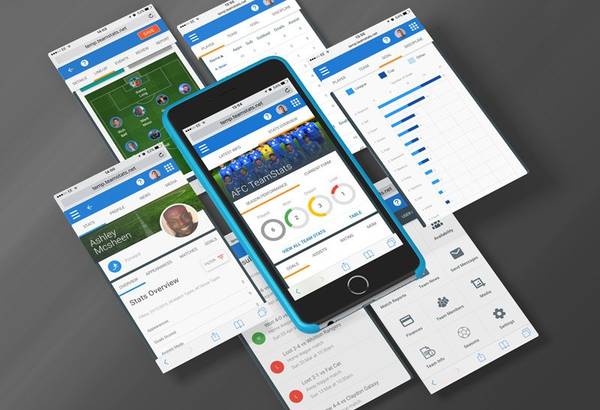
Use technology appropriately. TeamStats provides structured templates that make post-match reporting faster and more consistent than manual spreadsheets or paper records. The platform aggregates data automatically, revealing trends without requiring managers to manually analyse dozens of individual match reports.
Focus on quality over quantity. Five consistently tracked metrics across an entire season provide more value than 20 metrics tracked sporadically for half the campaign. Choose measurements that genuinely inform coaching decisions and can be observed reliably without specialised equipment or expertise.
Build reporting into post-match routines. Spending 15 minutes completing match reports immediately after fixtures, whilst observations remain fresh, prevents the backlog that makes data collection feel overwhelming. This consistent habit makes documentation automatic rather than a burden requiring willpower.
Review trends monthly rather than after every match. Whilst match reports should be completed weekly, detailed analysis can happen less frequently - perhaps after every four fixtures or at the end of each month. This rhythm provides enough data to spot patterns without requiring constant analysis.
Conclusion
Football season planning transforms from hopeful guesswork into strategic development when managers actually use the match data available to them. The difference between teams that improve throughout a campaign and those that repeat the same mistakes lies not in coaching expertise or player quality, but in whether performance trends inform training priorities, tactical decisions, and player development plans.
Match reports provide the foundation for this evidence-based approach, creating objective records that reveal patterns invisible in single fixtures. Teams that track defensive vulnerabilities, attacking inefficiencies, and individual player progression can make targeted adjustments that compound throughout a season, whilst sides that ignore their data make the same errors for 40 games.
The key is building sustainable systems that make data collection realistic for time-poor volunteer managers. Simple frameworks, delegated responsibilities, and appropriate technology enable consistent documentation without administrative overload. The result is a season-long feedback loop where match performance informs training focus, which improves subsequent match results, which generates new data that guides further development.
Grassroots football doesn't need professional-level analytics to benefit from performance data. It needs managers willing to track a few key metrics consistently, review trends honestly, and adjust their approach based on what the numbers reveal. That commitment to evidence-based planning separates teams that develop throughout a season from those that hope for improvement but never create the conditions that make it possible.
Start planning your season effectively with TeamStats to track match reports, identify performance trends, and make data-informed decisions that improve results throughout your campaign.
═══════════════════════════════════════════════════════════════