
Grassroots football managers collect mountains of match statistics, player performance data, and team analytics throughout each season. Yet most struggle to transform these raw numbers into actionable insights that improve team performance. The challenge isn't gathering information - it's presenting it in ways that reveal patterns, highlight trends, and guide tactical decisions.
Visual dashboards solve this problem by converting complex datasets into digestible formats that busy volunteer coaches can understand at a glance. Rather than scrolling through spreadsheets or comparing handwritten notes, managers can spot performance issues, track player development, and identify tactical patterns through clear visual representations. This approach to football data visualisation transforms how grassroots teams analyse their performance and make informed decisions.
Why Visual Dashboards Matter for Grassroots Teams
Traditional data collection methods create information silos. Match reports sit in one folder, training attendance lives in another document, and player statistics scatter across various notebooks. This fragmentation makes it nearly impossible to see the bigger picture or identify connections between different performance metrics.
Visual dashboards centralise this information and present it through charts, graphs, and visual indicators that highlight what matters most. A manager can instantly see that defensive errors spike in the final 15 minutes of matches, or that training attendance drops during exam periods. These insights remain hidden when data stays trapped in isolated documents.
The time-saving benefits prove particularly valuable for volunteer managers juggling work, family, and team responsibilities. Rather than spending hours comparing figures across multiple sources, a well-designed dashboard surfaces key insights within seconds. This efficiency allows managers to focus energy on coaching and player development rather than administrative analysis.
For grassroots teams operating with limited resources, football coaching apps provide accessible dashboard technology that previously only professional clubs could afford. These platforms democratise data analysis, giving Sunday league managers the same visual tools that Premier League coaches use.
Core Elements of Effective Football Dashboards
The most useful dashboards prioritise clarity over complexity. They present essential information without overwhelming users with excessive detail or confusing visualisation choices.
Performance metrics form the foundation of any football dashboard. These typically include goals scored and conceded, possession statistics, shot accuracy, defensive actions, and passing completion rates. Rather than listing raw numbers, effective dashboards display these metrics through progress bars, trend lines, or comparative charts that show performance relative to season averages or previous matches.
Player development tracking helps managers monitor individual progress throughout the season. Visual representations of training attendance, match minutes played, positional performance ratings, and skill development milestones allow coaches to identify players who need additional support or those ready for increased responsibility. Heat maps showing player positioning during matches reveal tactical understanding and movement patterns.
Team patterns and trends become visible when data spans multiple fixtures. A line graph showing goals conceded over the season might reveal that defensive performance deteriorates after international breaks or improves following specific training focuses. Bar charts comparing home versus away performance can highlight environmental factors affecting results.
Availability and attendance data proves crucial for grassroots managers dealing with fluctuating squad numbers. Visual calendars showing player availability for upcoming fixtures, attendance trend graphs, and squad depth indicators help managers plan training sessions and predict selection challenges before they arise.
The team management app approach consolidates these elements into unified dashboards that update automatically as new data arrives, eliminating manual chart creation and ensuring managers always access current information.
Choosing the Right Visualisation for Different Data Types
Not all data suits the same visual treatment. Selecting appropriate chart types ensures information communicates clearly and supports quick comprehension.
Comparison data works best in bar charts or column graphs. When comparing goals scored across different opponents, shot accuracy between players, or possession statistics throughout the season, bars provide immediate visual comparison. The human eye quickly processes relative bar heights, making these charts ideal for performance benchmarking.
Trend analysis requires line graphs that show changes over time. Tracking form across the season, monitoring fitness levels throughout the campaign, or observing tactical metric evolution all benefit from line visualisations. Multiple lines on a single graph can compare different metrics or players, revealing correlations that might otherwise stay hidden.
Distribution and proportion data suits pie charts or stacked bar graphs. Showing what percentage of goals come from set pieces versus open play, or how match time distributes across squad members, communicates more effectively through proportional visualisations than raw numbers.
Spatial data demands heat maps or positional diagrams. Player positioning during matches, areas where teams concede possession, or zones where attacks originate all require spatial representation to convey meaningful insights. These visualisations prove particularly valuable for tactical analysis and positional coaching.
Status indicators use colour coding and simple icons to communicate at-a-glance information. Traffic light systems (red/amber/green) quickly show whether metrics sit above, at, or below target levels. Player availability status, injury concerns, and form indicators all benefit from clear visual status markers.
Building Dashboards That Drive Tactical Decisions
The most valuable dashboards don't just display information - they support specific decision-making processes that managers face regularly.
Pre-match preparation dashboards should surface opponent analysis, player availability, recent form trends, and tactical considerations. A manager preparing for Saturday's fixture needs immediate access to how the opposition typically plays, which players performed well in recent matches, and any injury or availability concerns affecting team selection.
In-season performance monitoring requires dashboards that track progress against season objectives. Whether aiming for promotion, mid-table stability, or player development targets, visual progress indicators show whether the team moves towards these goals or needs tactical adjustments. Comparing current performance against this stage of previous seasons provides valuable context.
Player development reviews benefit from individual dashboards showing each player's journey throughout the season. When conducting one-to-one reviews with players or discussing progress with parents, visual representations of improvement areas, achievement milestones, and development targets make conversations more productive and objective.
Squad rotation planning becomes manageable when dashboards display cumulative match minutes, rest periods, and workload distribution across the squad. This proves particularly important for youth football teams, where equal playing time and player welfare take priority over results. Visual indicators showing which players need more game time or rest prevent burnout and ensure fair opportunities.
The football data visualisation approach transforms these tactical considerations from gut feelings into evidence-based decisions supported by clear visual data.
Common Dashboard Mistakes to Avoid
Even well-intentioned dashboards can confuse rather than clarify if they fall into common design traps.
Information overload represents the most frequent error. Cramming every available metric onto a single screen creates visual chaos that obscures important insights. Effective dashboards prioritise the most relevant information for specific contexts and allow users to drill deeper into detailed data only when needed.
Poor colour choices undermine clarity. Using too many colours, selecting shades that don't contrast sufficiently, or choosing colour schemes that don't work for colour-blind users all reduce dashboard effectiveness. Stick to consistent colour coding that reinforces meaning - red for concerns, green for positive indicators, blue for neutral information.
Misleading scale choices can distort data interpretation. Starting bar chart axes at values other than zero exaggerates differences between data points. Using inconsistent scales across similar charts prevents accurate comparison. Always ensure visualisations represent data proportionally and honestly.
Static data defeats the purpose of digital dashboards. If information requires manual updates or doesn't reflect current status, managers lose trust in the dashboard and revert to spreadsheets. Effective dashboards connect directly to data sources and update automatically as new information arrives.
Lack of context makes numbers meaningless. Showing that a team completed 78% of passes means little without comparison points. Is this above or below the season average? How does it compare to similar opponents? Effective dashboards provide contextual reference points that help managers interpret whether metrics indicate positive or concerning trends.
Implementing Dashboards in Grassroots Football Settings
Introducing visual dashboards to grassroots teams requires consideration of the volunteer context and varying levels of technical comfort among managers.
Start with simple, focused dashboards rather than comprehensive systems. A basic fixture results dashboard showing goals scored, conceded, and attendance provides immediate value without overwhelming users. Once managers grow comfortable with basic visualisations, gradually introduce more sophisticated analytics.
Training sessions help team staff understand how to interpret dashboard information correctly. Spending 30 minutes showing managers how to read trend lines, what different metrics indicate, and how to spot concerning patterns ensures the dashboard drives better decisions rather than causing confusion.
Mobile accessibility proves essential for grassroots managers who rarely sit at desks. Dashboards must work effectively on smartphones and tablets, allowing managers to check team data whilst travelling to fixtures or during half-time team talks. Responsive design that adapts to different screen sizes ensures information remains clear regardless of device.
Customisation options acknowledge that different managers prioritise different information. Some focus heavily on defensive statistics, others emphasise possession and attacking metrics, whilst youth football coaches prioritise individual player progress. Allowing managers to customise their dashboard view ensures each user sees the information most relevant to their approach.
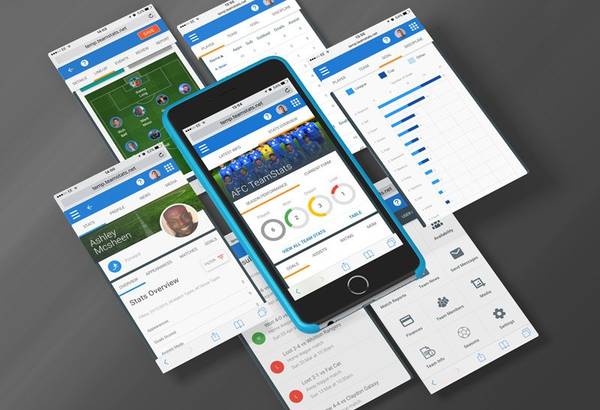
The TeamStats platform demonstrates how grassroots-focused design makes sophisticated football data visualisation accessible to volunteer managers without requiring technical expertise or data analysis backgrounds.
Measuring Dashboard Impact on Team Performance
Implementing visual dashboards should ultimately improve team performance, player development, or management efficiency. Tracking specific outcomes helps validate whether dashboard adoption delivers genuine value.
Decision-making speed often improves dramatically. Managers report spending 60-70% less time preparing match analysis and team selection decisions when using visual dashboards compared to manual spreadsheet methods. This time saving allows greater focus on actual coaching and player interaction.
Tactical adjustments become more evidence-based. Rather than relying solely on subjective match observations, managers can confirm tactical hunches with objective data. If a manager suspects the team struggles defending crosses, dashboard data showing 40% of goals conceded come from wide positions validates this concern and justifies focused training on aerial defence.
Player engagement increases when development tracking becomes visible. Young players respond positively to visual representations of their progress, seeing concrete evidence of improvement across the season. This transparency motivates continued effort and helps players understand areas requiring additional focus.
Communication with parents improves when managers can show objective data about playing time distribution, development progress, and team performance. Visual dashboards make these conversations more productive by grounding discussions in facts rather than perceptions.
The Future of Football Data Visualisation in Grassroots Settings
Technology continues making advanced analytics increasingly accessible to amateur football. Features once exclusive to professional clubs now appear in affordable platforms designed specifically for grassroots teams.
Video integration connects match footage with statistical dashboards, allowing managers to click performance metrics and immediately view relevant video clips. This bridges the gap between numbers and actual match situations, helping managers understand the context behind statistics.
Predictive analytics use historical data patterns to forecast future performance trends or highlight injury risks based on workload patterns. Whilst still emerging in grassroots contexts, these capabilities will soon help volunteer managers make more informed decisions about squad rotation and player welfare.
Comparative benchmarking against similar teams provides valuable context for performance metrics. Understanding how a team's possession statistics compare to other grassroots football teams at the same level helps managers set realistic improvement targets and identify genuine strengths or weaknesses.
Automated insight generation uses artificial intelligence to analyse dashboard data and surface noteworthy patterns automatically. Rather than requiring managers to spot trends manually, the system highlights significant changes or concerning patterns, ensuring important insights don't go unnoticed.
Conclusion
Visual dashboards transform how grassroots football managers understand team performance, track player development, and make tactical decisions. By converting raw match statistics and training data into clear, digestible visualisations, these tools make sophisticated analysis accessible to volunteer coaches without requiring technical expertise or excessive time investment.
The most effective football data visualisation approaches prioritise clarity over complexity, present information in context, and support specific decision-making processes that managers face regularly. Whether preparing for upcoming fixtures, monitoring season progress, or conducting player development reviews, well-designed dashboards surface the insights that matter most whilst filtering out distracting noise.
For time-poor volunteer managers juggling multiple responsibilities, visual dashboards deliver immediate value by reducing analysis time whilst improving decision quality. Rather than spending hours comparing spreadsheets or relying solely on subjective observations, managers can spot performance patterns, identify development opportunities, and validate tactical adjustments through clear visual evidence.
The democratisation of data analytics through accessible platforms means grassroots teams no longer need professional club resources to benefit from performance analysis. Modern team management solutions bring sophisticated visualisation capabilities to Sunday league managers, youth coaches, and volunteer administrators, levelling the playing field and supporting better outcomes for players at every level of the game.
═══════════════════════════════════════════════════════════════