
As we hit the worst of the winter weather and the inevitable cancellations of both training and matches that come at this time of year, I was trying to think of a more influential innovation for the grassroots game than 3G pitches. It’s hard to think of anything that has shaped the landscape quite as noticeably as the rise of artificial pitches. While our grass fields sit frozen, waterlogged or taped off during much of the winter, the artificial pitch is lit up, full of players and hosting session after session without any interruption. These pitches have kept football alive through our winters that once wiped out weeks of development and playing opportunities at a time. They’ve given young people and communities and reliable places to play, and for many clubs they’ve been an absolute lifeline and an antidote to disjointed seasons with no momentum. While these surfaces bring consistency and welcome stability, they also change the feel of the game in ways that matter, bringing about developments in technique and decision making in the last 20 years.
I’m a traditionalist at heart but grass, no matter how well it’s cared for, has its limitations. Heavy rain, frost, overuse and the short winter days all work against it. Entire training blocks get disrupted because pitches simply can’t cope and teams can go weeks on end without a match as our team of volunteers fight losing battles against the great British weather. When a team only trains once a week, cancelled sessions feel like a step backwards. Artificial surfaces cut through all of that. They don’t hold water and don’t churn into mud. They can be used back to back for both matches and training without needing time to recover. For young players trying to develop their skills, this increased access alone makes a huge difference. More touches, more structured practice, fewer unplanned breaks all add up to more meaningful touches of the ball which is the biggest broad brush driver of development.
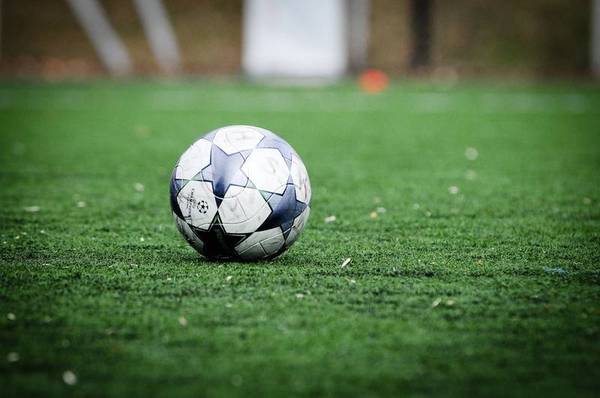
Artificial pitches also open up the opportunity to play a different type of football and it’s when the ball rolls that the difference between the two surfaces becomes most obvious. Grass changes constantly, even within the same match. The moisture, length of cut, even a divot from an earlier tackle all influences how the ball behaves. On one pass the ball might zip across the top of the wet surface, on the next it might hold up and get stuck in standing water. Whilst players learn to judge bounces, watch for bobbles and adjust their body shape accordingly it can be difficult to become technically masterful when you can’t trust how the ball will behave. Artificial surfaces remove a lot of the uncertainty with the ball travelling faster, staying truer and behaving exactly as expected. For young players still developing the basics, that predictability can be incredibly helpful and their first touch feels cleaner and their passes reach their intended target. Their confidence grows, and confidence is a powerful accelerator in youth development.
Whilst all of that is to be welcomed, at the same time that predictability can create some blind spots. Children who grow up exclusively on synthetic pitches sometimes can’t cope when they meet a real grass winter pitch where the ball sticks under their feet, the game slows down to an attritional slog in the mud and a bouncing clearance behaves however it likes. A player who looks technically tidy on 3G can get lost in the rough elements of grass, especially in grassroots leagues where pitch quality varies wildly from week to week.
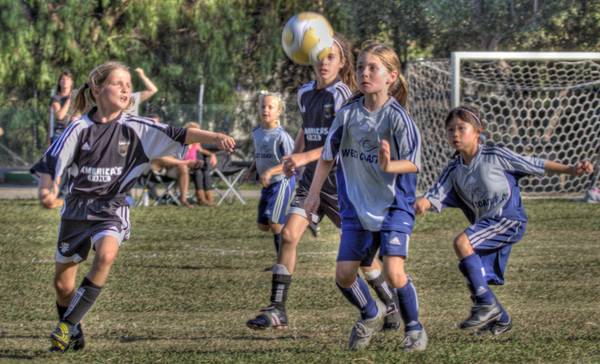
The reliability of artificial pitches can also influence how teams play, enabling them to be more ambitious and progressive in their approach. As the ball moves so smoothly, players feel more comfortable receiving under pressure, combinations are easier to execute, and building from the back can become a natural part of game play. These are positive developments, and many young teams now play more attractive, possession based football partly because of the surfaces available to them. With most matches still played on grass, the majority of games can look very different to this. Teams accustomed to a quick, clean surface can look all at sea when the game is played on an unpredictable pitch and passes bobble or hold up in the mud. As a result the game can become territory based which is a massive throw back to how the game used to be played when we failed to produce enough technical footballers.
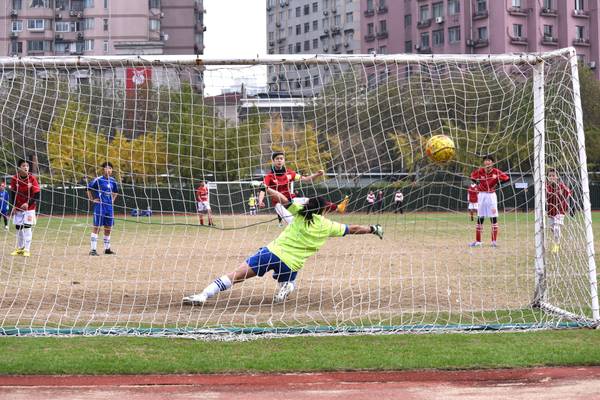
On the artificial turf, the ball sits perfectly every time, and players often find it easier to strike through the ball cleanly, building confidence in their ball striking and passing over distance. Our Goalkeepers, too, benefit from predictable bounces, making handling more straightforward. But this reduced variability can also limit a player’s exposure to reading awkward spins, erratic bounces or shots that skid unpredictably all of which are common features on natural pitches during the British winter and sharpen a keeper’s reactions.
Probably the biggest advantages of synthetic pitches is simply the volume of football they allow.
A good quality artificial surface can host several age groups in an evening without deteriorating.
Community clubs with limited resources have suddenly gained the ability to run programmes consistently, reliably and safely. More sessions mean more touches, and more touches always means accelerated development. My Dad would often speak about “playing out in the street” to get extra practice. Today, for many children, the artificial pitch has become that modern equivalent as the place where they can play without disruption, all year round, under the lights.
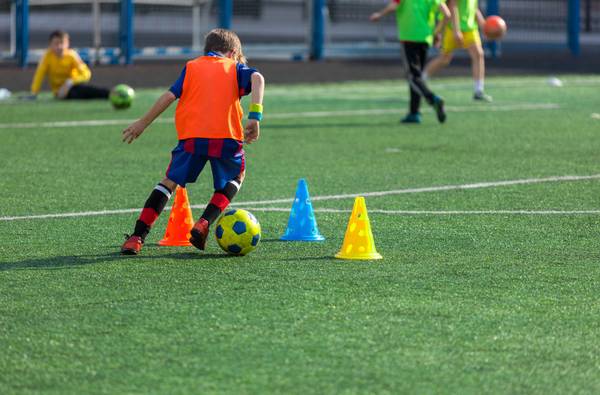
For grassroots coaches, the challenge lies in using artificial pitches to enhance development rather than define it. Training on 3G surfaces can dramatically improve how players look after the ball and the speed at which they can move it. It allows coaches to implement intricate tactical ideas more effectively because players can rely on consistent ball movement. Yet young players who grow up experiencing both environments will arguably be better equipped than the generation before them. They will learn precision from one surface and adaptability from the other developing confidence through familiarity but gaining resilience through exposure to challenges. Whilst 3G pitches have been a brilliant innovation for grassroots football, I don’t think it’s time to move away from our traditional grass pitches just yet.