
Team selection remains one of the most challenging responsibilities for grassroots football managers. The decision about which players start, which sit on the bench, and how to rotate the squad can affect team performance, player development, and squad morale in equal measure. Traditional selection methods - relying on memory, gut feeling, or hastily scribbled notes - often fail to capture the complete picture of player performance and development needs.
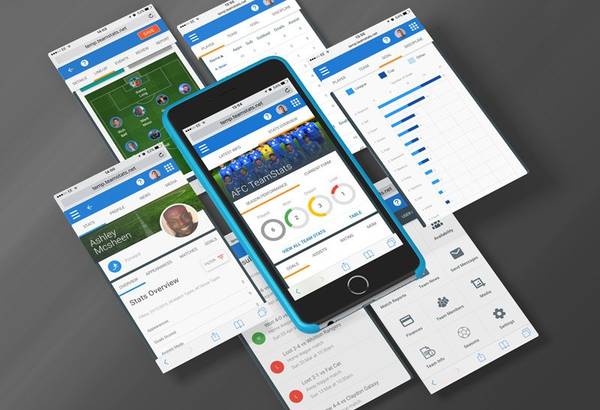
Digital data has transformed how professional clubs approach football team selection, and these same principles now benefit grassroots teams through accessible platforms like TeamStats. By tracking objective performance metrics alongside subjective coaching observations, managers can make more informed, defensible, and developmentally appropriate selection decisions that balance competitive needs with player growth.
Why Traditional Selection Methods Fall Short
Most grassroots managers juggle football team selection alongside work commitments, family responsibilities, and other coaching duties. Without systematic data collection, several common problems emerge.
Recency bias dominates decision-making. The player who performed well in last week's match receives disproportionate consideration compared to someone who has been consistently solid across the previous month. Conversely, one poor performance can overshadow weeks of steady contribution.
Availability gaps create confusion. When managers lack clear records of training attendance and match availability, they struggle to identify patterns. A player might miss three consecutive training sessions due to legitimate reasons, but without documentation, this appears as lack of commitment.
Subjective impressions vary between coaching staff. The head coach might rate a defender's positioning highly, whilst an assistant coach focuses on their passing accuracy. Without objective data points to anchor these discussions, selection meetings become exercises in competing opinions rather than balanced evaluation.
Development tracking becomes impossible. Youth football requires managers to balance winning matches with providing development opportunities. Without data showing which players have received meaningful game time across the season, managers cannot ensure equitable development opportunities.
The Data Points That Matter for Selection
Effective football team selection using digital tools centres on collecting the right information consistently. The most valuable data points fall into several categories.
Attendance and Availability
Training attendance rates provide the foundation for selection decisions. A player attending 90% of training sessions demonstrates commitment and receives more coaching input than someone attending 60%. Football coaching apps track this automatically, removing the need for paper registers and manual calculations.
Match availability patterns reveal reliability. Some players might show strong training attendance but frequently become unavailable for fixtures due to family commitments or other activities. This information helps managers plan squad depth and identify when to recruit additional players for specific positions.
Performance Metrics
Match minutes played across the season ensure development equity. For youth teams particularly, tracking cumulative playing time prevents situations where certain players dominate game time whilst others languish on the bench. Managers can set targets - such as ensuring every squad member receives at least 50% of available minutes across a season - and monitor progress towards these goals.
Goals and assists provide objective output measures. Whilst these statistics shouldn't dominate selection for youth teams, they offer useful context. A striker scoring regularly deserves recognition, but data might also reveal a midfielder creating numerous chances without receiving credit.
Defensive actions matter equally. Clean sheets, tackles won, and interceptions tracked over time identify defensive contributions that might otherwise go unnoticed. The centre-back who consistently wins aerial duels or the full-back who rarely gets beaten one-on-one demonstrates value that subjective observation might miss.
Positional Versatility
Recording which positions players have occupied during matches and training reveals tactical flexibility. This information proves invaluable when injuries or absences force formation changes. A midfielder who has previously played full-back in training becomes a logical selection when the regular defender is unavailable.
Coaching Observations
Structured coaching notes attached to specific matches or training sessions capture qualitative assessments. Rather than vague recollections, managers can reference specific observations: "Showed excellent communication organising the defensive line" or "Struggled with positioning when playing against a diamond midfield formation."
Building a Data-Informed Selection Process
Implementing digital data for football team selection requires establishing consistent processes that fit within existing coaching routines.
Weekly Data Collection
Immediately after each training session, record attendance and brief performance notes. This takes two minutes but ensures information remains accurate rather than relying on memory days later. Team management apps make this process simple through mobile interfaces that work pitchside.
After matches, input key statistics whilst they remain fresh. Goals, assists, and standout performances need documenting before the next fixture. Some managers delegate this responsibility to an assistant coach or trusted parent volunteer, ensuring data collection doesn't fall solely on one person.
Pre-Selection Data Review
Before making team selections, review accumulated data covering the previous 4-6 weeks rather than just the most recent fixture. This broader timeframe reduces recency bias and reveals performance trends. A player might have struggled last week but shown consistent quality over the previous month, suggesting their recent dip is an anomaly rather than a pattern.
Check training attendance rates for the period since the last match. Players who have missed multiple sessions without explanation might need conversations about commitment before receiving starting positions, whilst those attending consistently despite not starting recently deserve recognition.
Review cumulative playing time to ensure development equity. If several players have received significantly less game time than the squad average, consider whether the upcoming fixture offers opportunities to address this imbalance.
Balanced Decision-Making
Data should inform rather than dictate selection decisions. A striker who has scored in five consecutive matches probably deserves to start based on current form. However, if that same player has missed three training sessions and shown poor attitude, the data provides context for a difficult conversation about standards and expectations.
For youth teams, development considerations sometimes override pure performance data. An older player in their final season with the team might warrant additional game time even if younger players show marginally better statistics, recognising their limited remaining opportunities. Conversely, a talented younger player might need increased minutes to prepare for progression to an older age group.
Transparent Communication
Data enables more constructive conversations with players and parents about selection decisions. Rather than "I just don't think you're ready," managers can reference specific, objective information: "You've missed four of the last six training sessions, which means you've had less coaching time than teammates. Let's work on improving attendance, and we'll review your game time in three weeks."
Similarly, data helps explain tactical selections. "We're playing against a team that uses fast wingers, so I've selected defenders with good pace and strong one-on-one defending records" sounds more credible than "I just have a feeling about this team."
Using Data for Different Age Groups and Formats
The application of digital data varies across grassroots football contexts.
Youth Development Teams (U7-U11)
At younger age groups, data collection focuses primarily on participation equity rather than performance metrics. Tracking playing time ensures every child receives similar opportunities, which aligns with FA guidance on player development at these ages.
Training attendance data helps identify children who might be losing interest or facing barriers to participation. A sudden drop in attendance might indicate bullying, loss of confidence, or family circumstances that need support.
Performance data remains minimal - perhaps tracking which positions children have tried to ensure broad positional experience rather than early specialisation.
Youth Competitive Teams (U12-U16)
As competitive elements increase, performance data becomes more relevant whilst maintaining development focus. Tracking goals, assists, and defensive contributions helps recognise achievement and identify players ready for progression.
Positional versatility data grows in importance as players begin developing preferred positions whilst maintaining tactical flexibility. Recording which formations and positions players have experienced helps coaches plan development pathways.
Training quality observations become increasingly valuable. Notes about technical improvement, tactical understanding, and attitude provide context that raw statistics cannot capture.
Adult Grassroots Teams
For Sunday league teams and adult recreational football, data usage shifts towards optimising competitive performance whilst managing player expectations.
Availability tracking becomes crucial for selection planning. Adult players often have work commitments, family responsibilities, or injuries that affect availability. Systematic tracking prevents last-minute selection crises.
Performance statistics help make objective selection decisions in competitive environments where players naturally want starting positions. Data provides defensible rationale for team selection that reduces conflict.
Integrating Tactical Analysis With Selection Data
Football team selection improves further when performance data connects with tactical planning.
Opposition Analysis
Recording observations about upcoming opponents - their formation, key players, tactical approach - allows managers to select teams specifically suited to the challenge. If data shows an opponent plays with a high defensive line, selecting forwards with strong pace becomes logical. Against teams that dominate possession, choosing midfielders with strong defensive work rate makes sense.
Formation Flexibility
Tracking which players have experience in different formations helps managers adapt tactically. If the regular 4-4-2 isn't working, data showing which players have previously played in a 4-3-3 or 3-5-2 enables confident formation changes without selecting players in unfamiliar roles.
Injury and Fatigue Management
Recording minor injuries, knocks, and fatigue indicators helps prevent more serious injuries. A player who has played three matches in seven days whilst carrying a minor muscle strain might need rotation, even if performance data suggests they should start. Digital tracking ensures these considerations don't get overlooked in the rush of weekly fixture preparation.
Common Mistakes When Using Selection Data
Digital data improves decision-making, but several pitfalls need avoiding.
Over-reliance on statistics damages youth development. A young player with modest statistics might be developing excellent positional sense or improving technical skills that haven't yet translated into goals or assists. Coaching observations must balance statistical output.
Ignoring context produces flawed analysis. A defender's statistics might look poor because they've played against significantly stronger opposition, whilst another defender's strong numbers come from facing weaker teams. Context matters as much as raw data.
Inconsistent collection undermines data quality. Recording detailed statistics for some matches but not others creates incomplete pictures that lead to poor decisions. Consistent, systematic data collection matters more than exhaustive detail.
Using data punitively destroys trust. If players perceive data collection as a tool for criticism rather than development, they become defensive and disengaged. Data should support constructive feedback and development planning, not serve as ammunition for criticism.
Making Data Collection Sustainable
The key to successful data-driven football team selection lies in sustainable processes that fit within existing coaching workflows.
Start with minimal data collection - attendance, playing time, and basic match statistics. Once these habits become routine, gradually add coaching observations and more detailed performance metrics.
Delegate data entry to assistant coaches, team administrators, or parent volunteers. Many hands make light work, and involving others in data collection builds broader understanding of player development across the team.
Review data regularly but not obsessively. Weekly reviews before team selection provide sufficient frequency without creating excessive administrative burden.
Use technology that works pitchside and on mobile devices. If data entry requires returning home and using a desktop computer, it won't happen consistently. Mobile-friendly team management platforms enable immediate data capture when information is fresh.
The Future of Selection Decisions
Digital data represents the present and future of grassroots football team selection. As more teams adopt systematic data collection, those relying purely on memory and gut feeling will find themselves at increasing disadvantage - not just competitively, but in their ability to demonstrate fair, developmentally appropriate selection processes.
The most successful grassroots managers will be those who balance objective data with subjective coaching expertise, using technology to enhance rather than replace human judgement. Data provides the foundation for better decisions, but coaching experience, tactical knowledge, and understanding of individual player circumstances remain irreplaceable.
Conclusion
Selecting teams using digital data transforms one of grassroots football's most challenging responsibilities into a more objective, defensible, and developmentally sound process. By systematically tracking attendance, performance metrics, playing time, and coaching observations, managers gain comprehensive understanding of their squad that memory and intuition alone cannot provide.
The transition from traditional selection methods to data-informed decisions need not be overwhelming. Start with basic attendance and playing time tracking, then gradually incorporate performance statistics and structured coaching observations as these processes become habitual. The investment in consistent data collection pays dividends through improved team performance, more equitable player development, and reduced selection conflicts.
Most importantly, digital data enables managers to have constructive conversations with players and parents grounded in objective information rather than subjective opinion. When selection decisions reference specific, documented evidence, they become opportunities for development planning rather than sources of conflict. For time-pressed volunteer managers juggling multiple responsibilities, this combination of better decisions and easier communication makes data-driven football team selection not just beneficial but essential for modern grassroots football management.
═══════════════════════════════════════════════════════════════