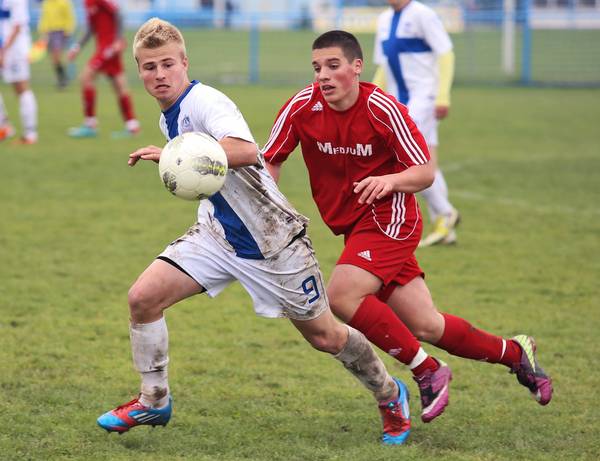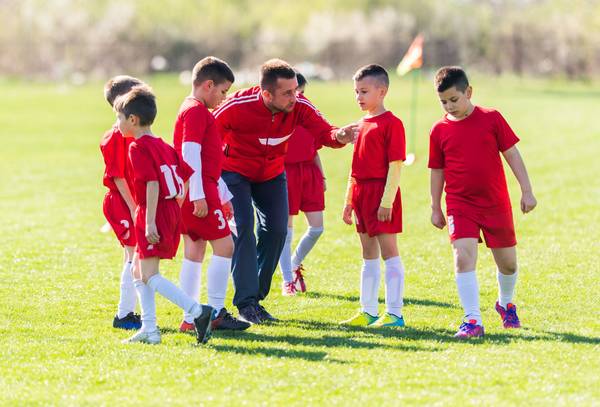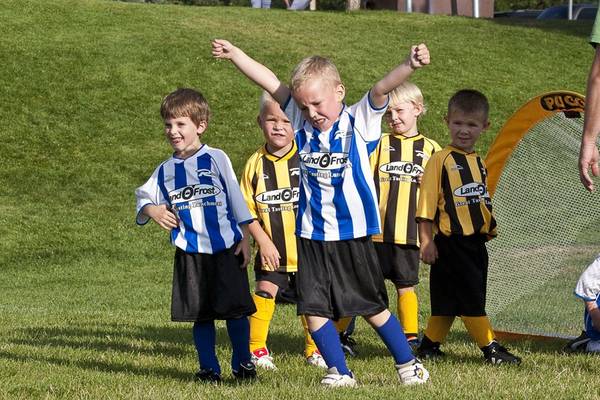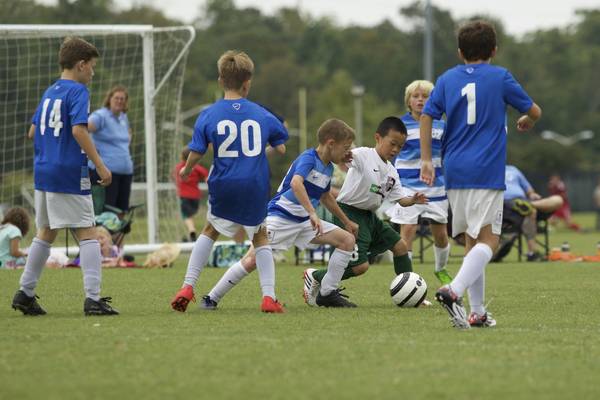
Getting extra money into a grassroots football team can feel like a job nobody really applied for. Kits need replacing, pitch hire keeps going up, referees need paying, tournament entries appear from nowhere, and someone always remembers the match balls are flat ten minutes before kick-off. Most clubs are not short of effort. They are short of time, money and a simple plan.
That is where sponsorship can make a real difference. The wider sports sponsorship world has changed, with clubs now seeing everything from local tradespeople and cafés to national entertainment brands, digital platforms and football-adjacent sites such as WagerPals involved around sport. For grassroots teams, though, the best sponsorships usually start much closer to home: a local business, a parent’s employer, a former player, or a shop that already knows half the families on the touchline.
TeamStats has previously described local business sponsorship as one of the smartest and most sustainable ways for football clubs to cover costs, stressing that it is not just about asking for money but about building community connections that benefit everyone.
Why Sponsorship Matters at the Grassroots Level
At the grassroots level, sponsorship does not need to be huge to be useful. A few hundred pounds can cover new training balls, help with winter pitch hire, pay for a tournament, reduce the cost of a kit order, or take pressure off parents who are already paying subs, fuel and weekend café prices.
That matters because football is not cheap to run, even when everyone involved is a volunteer. A junior team might look simple from the outside: a pitch, a coach, a bag of balls and some enthusiastic players. In reality, there are league fees, insurance, equipment, first-aid supplies, referees, trophies, end-of-season events and the never-ending job of replacing things that have mysteriously vanished.
A good sponsor helps spread that load. Just as importantly, they can make the club feel more connected to its local area. A café sponsoring the under-10s, a garage helping the under-14s, or a local builder supporting the girls’ team gives both sides something useful. The club gets financial help, and the business gets visibility among families who are genuinely part of the same community.
Sponsors do not expect Premier League exposure. They expect honesty, appreciation and a club that does what it said it would do.
The Best Sponsors Are Usually Already Nearby
The first mistake many clubs make is thinking sponsorship has to come from a big company. For most grassroots teams, the better starting point is local.
Think about the businesses already connected to your players and parents. Cafés, pubs, barbers, gyms, garages, estate agents, accountants, restaurants, printers, plumbers, builders and local shops are often more approachable than large regional brands. They may already know the families involved. They may have children in the club. They may simply want to be seen supporting something positive in the area.
TeamStats’ guidance on local business partnerships makes the same point: grassroots clubs should look in their own backyard first, including businesses with local footfall, personal links, alignment with club values and even in-kind support such as printing, refreshments or discounted equipment.
A generic message asking for sponsorship will rarely work well. A better approach is to be specific. Explain who the club helps, how many players are involved, what the money will pay for, and what the sponsor receives in return. A short, clear proposal with a kit mock-up, social media details and photos from match days will usually feel more professional than a long email full of vague promises.
What Clubs Should Offer In Return
Sponsorship should not be treated as a favour that disappears once the money arrives. If a business supports the team, the club should give something back.
That could be a logo on shirts or training tops, a thank-you post on social media, a mention on the club website, a sponsor spotlight, a banner at home matches if the venue allows it, or an invitation to presentation night. Some sponsors may only want simple recognition. Others may value photos, regular updates, or a short end-of-season note showing what their money helped fund.
The important thing is to promise only what the club can actually deliver.
A small club that reliably thanks its sponsor, sends photos when the kit arrives and gives regular updates will look far more professional than a club that offers ten different benefits and forgets half of them by October. TeamStats’ sponsorship tracking advice warns that clubs which rely on memory or scattered notes often miss commitments, while structured systems help ensure every sponsor receives the recognition they were promised.
For volunteers, this does not need to be complicated. A simple tracker can record the sponsor name, amount paid, what was promised, key dates, contact details and whether each item has been completed. It sounds basic, but basic is often what keeps grassroots clubs functioning.
Sponsorship Has Changed Beyond The Local Shirt Logo
For years, grassroots sponsorship usually meant one thing: a logo on the front of the shirt. That still matters, and for many small businesses it remains the most visible part of the deal. But sponsorship has become broader.
Businesses may now care about social media posts, team websites, photo mentions, newsletters, tournament banners and community goodwill. Some want digital visibility as much as physical visibility. Others simply want to show that they are backing local sport.
Grassroots clubs should not try to copy elite football, but they can learn from the wider sponsorship world. Clear communication, simple reporting and consistent recognition matter. If a sponsor sees their name in a few match-day posts, receives a team photo and understands what their support achieved, they are more likely to stay involved.
This is especially useful for clubs trying to renew sponsors year after year. Finding a new backer every season is hard work. Keeping a good one is usually easier if the relationship is managed properly.
How To Keep Sponsor Relationships Professional
Most sponsorship problems are not caused by bad intentions. They happen because volunteers are busy.
The person managing sponsorship might also be coaching, setting up goals, sorting player registrations, answering parent messages and trying to remember who has the bibs. Without a system, things slip. A promised social media post gets forgotten. A renewal date passes. A sponsor asks for a photo, and nobody knows who has one.
That is why clubs should keep sponsorship admin simple but organised. Record what each sponsor paid, what was agreed, when it needs to be delivered and who is responsible. Send photos promptly when shirts or banners arrive. Thank sponsors publicly. Share a short end-of-season update explaining how their support helped.
TeamStats notes that sponsorship at the grassroots level often involves smaller amounts than professional football, but those partnerships can matter more because they are built on real local relationships. A local pub contributing £300 is not just buying exposure; it is investing in people it probably knows. Failing to acknowledge that properly can damage community trust.
Professionalism, in this context, does not mean glossy marketing. It means being reliable.
The Balance To Get Right
Sponsorship should support the team, not take it over.
Clubs need money, but they also need trust. That means being careful about who they work with, especially in junior football. Sponsors should fit the club’s values, the age group and the wider community. If a category feels inappropriate for young players, it is worth thinking twice, even if the money would help.
The best grassroots sponsorships are not just about putting a logo on a shirt. They are about helping a local team keep playing, developing and bringing people together. When clubs approach sponsorship with honesty, organisation and a bit of common sense, it can become more than a quick fix.
It can become part of the club’s community.