
Grassroots football teams thrive on collaboration - between coaches planning training sessions, managers coordinating fixtures, parents arranging transport, and players supporting each other. Yet traditional communication methods often fragment these connections. Text messages get lost in group chats, emails disappear into spam folders, and crucial information fails to reach everyone who needs it.
Digital communication platforms designed specifically for football teams transform this scattered approach into streamlined collaboration. When teams across the UK adopted structured digital communication, 78% of managers reported spending less time on administrative tasks whilst simultaneously improving parent engagement. The difference lies not in communicating more, but in communicating smarter through football collaboration tools that centralise information and automate routine updates.
Why Traditional Communication Methods Fail Football Teams
WhatsApp groups seem convenient until they accumulate 847 unread messages. A parent scrolling back to find training times must wade through match banter, kit discussions, and emoji reactions. Important announcements from coaches get buried within minutes during busy periods.
Email presents different challenges. Parent-coaches send fixture details to 15 families, only to discover three parents never received the message due to spam filters. Another two missed it amongst work emails. Match day arrives with confusion about kick-off times and missing players whose parents genuinely didn't see the information.
Phone calls work for urgent matters but don't scale. Ringing 15 families to confirm availability for Saturday's fixture consumes 90 minutes - time volunteer managers simply don't have whilst juggling their own work and family commitments.
Paper notices handed to players after training rely on 10-year-olds remembering to pass information to parents. Even well-intentioned children forget, leaving parents unaware of upcoming events until other families mention them casually.
These fragmented methods don't reflect poor organisation - they reflect the limitations of tools never designed for team management. Grassroots football requires something different: platforms purpose-built for the unique collaboration challenges youth teams face.
How Digital Platforms Transform Team Communication
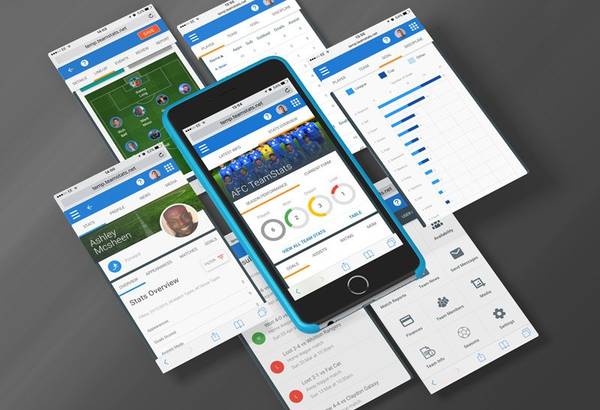
Purpose-built football coaching apps centralise all team communication in one accessible location. Instead of information scattered across text messages, emails, and verbal announcements, everything lives in a single platform that parents, coaches, and players can access whenever needed.
Fixture details, training schedules, venue changes, and team news appear in chronological feeds that members can scroll through without wading through irrelevant conversations. Parents checking Thursday evening see exactly what they need to know about Saturday's match - kick-off time, opposition, meeting location, and kit requirements - without hunting through message threads.
Notification systems ensure important updates reach everyone. When a manager posts a venue change for Sunday's fixture, push notifications alert all team members immediately. Parents who might have missed an email or overlooked a WhatsApp message receive a direct alert on their phone, ensuring critical information doesn't slip through communication gaps.
Document storage keeps essential information permanently accessible. New families joining mid-season can access club policies, training schedules, and contact lists without requiring existing members to resend information repeatedly. Season calendars remain available for parents planning family holidays months ahead.
Improving Availability Management Through Digital Tools
Player availability represents one of grassroots football's most persistent coordination challenges. Volunteer managers spend hours each week chasing responses about who can play in Saturday's fixture, often still uncertain about numbers on Friday evening.
Digital availability tracking transforms this process. Managers create fixture events within football collaboration tools, and parents receive automatic prompts to confirm their child's availability. Instead of individually messaging 15 families and tracking responses in notebooks, managers see real-time availability updates as parents respond throughout the week.
The system highlights who hasn't responded, allowing targeted follow-ups rather than blanket reminder messages that irritate families who've already confirmed. By Thursday evening, managers know exactly how many players they'll have, enabling proper team selection and tactical planning rather than scrambling on match morning.
Training attendance works similarly. Coaches planning session numbers and drill complexity benefit from knowing whether 8 or 16 players will attend Tuesday's training. Parents appreciate the gentle reminders that help them manage busy family schedules without feeling pressured by public group chat requests.
Availability history provides valuable insights. Managers noticing a player consistently unavailable on Sunday mornings can discuss fixture timing with families, whilst patterns revealing whole-team availability issues might prompt conversations about training day changes that better suit most families.
Enhancing Coach-Parent Collaboration
Strong coach-parent relationships underpin successful youth football teams, yet communication breakdowns strain these partnerships. Parents want updates about their child's development but coaches struggle to find time for individual conversations whilst managing training sessions and match days.
Digital platforms create structured channels for development feedback. Coaches post brief observations after training sessions highlighting what the team worked on and areas for home practice. Parents gain insight into their child's football journey without requiring lengthy phone conversations that volunteer coaches can't always accommodate.
Performance updates following matches help parents understand coaching decisions. A brief note explaining why their child played different positions or came off the bench provides context that prevents misunderstandings. Parents appreciate transparency whilst coaches avoid difficult conversations stemming from assumptions about favouritism or poor communication.
Tactical explanations help parent-coaches support their children effectively. When teams transition to new football formations or focus on specific principles, digital posts explaining the approach help parents reinforce concepts at home. A parent understanding why their child now plays deeper can encourage appropriate practice rather than inadvertently contradicting coaching guidance.
Question channels allow parents to raise concerns privately rather than publicly in group chats where misunderstandings escalate. Managers addressing individual queries through direct messaging maintain positive team culture whilst resolving issues before they fester.
Streamlining Match Day Coordination
Match days involve complex coordination that traditional communication methods struggle to handle efficiently. Venue changes, kick-off amendments, team selections, and last-minute player unavailability create chaos when information flows through multiple channels.
Centralised match day information prevents confusion. Managers post comprehensive fixture details - opposition, venue with parking information, arrival time, kit requirements - in one location that families reference throughout the week. Updates automatically notify all members, ensuring everyone sees changes regardless of when they check.
Team sheet publication through digital platforms manages expectations sensitively. Rather than announcing starting line-ups publicly where non-selected players feel embarrassed, coaches share selections through the platform where families view information privately. Parents prepare their children for squad roles before arriving at the pitch, reducing match day disappointment.
Real-time updates during fixtures keep absent families connected. Managers posting score updates and brief match highlights help parents who couldn't attend feel involved in their child's football experience. This proves particularly valuable for split families where one parent attends whilst the other works or cares for siblings.
Post-match communication maintains momentum. Coaches sharing performance highlights whilst matches remain fresh in players' minds reinforces learning. Parents reading about their child's successful tackles or improved positioning can offer specific praise rather than generic "well done" comments.
Building Stronger Squad Relationships
Team cohesion extends beyond what happens on the pitch. Successful youth football teams develop social bonds between players and families that strengthen commitment and enjoyment. Digital communication platforms facilitate these connections in ways traditional methods can't replicate.
Photo sharing creates shared memories. Parents posting match day photos to team galleries allow families to relive moments together. Players enjoy seeing themselves and teammates in action, whilst parents who couldn't attend experience the day through others' images. These visual records become treasured documentation of childhood football journeys.
Achievement recognition builds positive culture. Coaches highlighting player improvements, successful teamwork, or positive attitudes through platform posts celebrate development publicly. Recognition visible to teammates and families reinforces desired behaviours whilst making players feel valued beyond match results.
Social event coordination strengthens relationships off the pitch. Managers organising team meals, tournament trips, or end-of-season celebrations through digital platforms streamline planning whilst building anticipation. Centralised information about social events ensures all families feel included regardless of how connected they are to informal parent networks.
Parent collaboration improves through volunteer coordination features. Teams requiring help with coaching, transport, or fundraising can request assistance through the platform, making it easier for willing parents to contribute without awkward face-to-face requests. Tracking who helps with what ensures volunteer burden spreads fairly across families.
Reducing Administrative Burden for Volunteer Managers
Grassroots football relies on volunteers who already balance full-time jobs, family responsibilities, and personal commitments. Administrative tasks that consume hours each week discourage capable people from taking management roles, limiting team development.
Automated communication reduces repetitive tasks significantly. Rather than manually messaging families about every training session and fixture, team management apps send automatic reminders based on scheduled events. Managers set up the season calendar once, and the system handles routine notifications without further intervention.
Template messages maintain consistency whilst saving time. Managers create standard communications for common scenarios - fixture reminders, training cancellations, payment requests - then customise details for specific situations rather than composing messages from scratch repeatedly. This approach ensures nothing important gets forgotten whilst dramatically reducing composition time.
Centralised information storage prevents the same questions recurring. Instead of answering identical queries from multiple parents about training times, venue locations, or kit requirements, managers direct families to the platform where information remains permanently accessible. New families joining mid-season find answers independently rather than requiring extensive onboarding from time-poor managers.
Payment tracking through integrated systems eliminates the awkward task of chasing match fees and subscriptions. Parents see outstanding balances within the platform and pay digitally rather than remembering cash on training nights. Managers track who's paid without maintaining separate spreadsheets or mental notes, reducing financial administration that many volunteers find particularly burdensome.
Maintaining Communication Quality at Scale
As teams grow or clubs manage multiple age groups, maintaining communication quality becomes increasingly challenging. What works for a single under-10s team breaks down when coordinating five squads with 75 families.
Segmented communication ensures families receive relevant information without irrelevant noise. Club-wide announcements about facility closures or safeguarding updates reach everyone, whilst team-specific tactical discussions stay within appropriate groups. Parents appreciate receiving only information pertinent to their child rather than notifications about teams they're not involved with.
Role-based access controls maintain appropriate boundaries. Coaches access tactical planning features and performance data, managers handle administrative functions, and parents see information relevant to supporting their children. This structure prevents confusion about responsibilities whilst ensuring everyone can contribute appropriately.
Multi-team management features help club administrators coordinate across age groups efficiently. Shared calendars prevent fixture clashes, centralised policies ensure consistency, and club-level communication reaches all families without requiring individual team managers to relay messages separately. This scalability proves essential for growing clubs where coordination complexity increases exponentially.
League integration connects teams with broader football leagues. When clubs participate in grassroots football leagues using compatible platforms, fixture information flows automatically between league administrators and team managers, eliminating manual data entry and reducing scheduling errors that cause confusion.
Ensuring Safeguarding Through Proper Communication Channels
Child protection remains paramount in youth football. Appropriate communication channels protect both children and volunteers whilst maintaining the transparency modern safeguarding requires.
Structured platforms create audit trails showing who communicated what and when. This transparency protects coaches and managers from false allegations whilst ensuring accountability if concerns arise. Unlike private text messages or phone calls, platform communications remain documented and reviewable if safeguarding issues require investigation.
Appropriate boundaries prevent problematic direct contact. Coaches communicating with players through team platforms rather than personal messaging apps maintain professional distance that protects everyone involved. Parents see all coach-player communication, preventing situations where private conversations could be misinterpreted or misused.
Safeguarding policy distribution ensures all families understand club expectations. Digital platforms provide permanent access to codes of conduct, photography policies, and reporting procedures. New families joining teams can review these documents during registration rather than relying on verbal explanations that might be incomplete or forgotten.
Incident reporting features allow confidential concern escalation. If parents or coaches notice safeguarding issues, secure reporting channels within platforms ensure concerns reach designated club welfare officers quickly and confidentially, enabling appropriate responses that protect children effectively.
Measuring Communication Effectiveness
Understanding whether communication strategies work helps teams improve collaboration continuously. Digital platforms provide insights that traditional methods can't offer.
Read receipts show whether families actually see important messages. Managers discovering that fixture announcements go unread by certain families can follow up personally rather than assuming everyone knows match details. This visibility prevents the common situation where parents genuinely didn't receive information but appear negligent.
Response rates indicate engagement levels. Teams noticing declining availability confirmation rates might adjust reminder timing or simplify response processes. Conversely, high engagement suggests communication approaches work well and should continue.
Usage patterns reveal preferred communication times. Analytics showing most parents check the platform between 8-10pm help managers schedule important announcements for maximum visibility rather than posting during work hours when notifications get overlooked amongst professional responsibilities.
Feedback mechanisms allow continuous improvement. Simple surveys asking families whether they find communication helpful, overwhelming, or insufficient provide actionable insights for refining approaches. Responsive managers adapting based on feedback build stronger relationships with families.
Conclusion
Effective collaboration transforms grassroots football teams from loosely coordinated groups into cohesive units where everyone understands their role and feels genuinely connected. Digital communication platforms designed specifically for football teams make this transformation achievable even for time-poor volunteer managers juggling multiple responsibilities.
The shift from fragmented text messages and buried emails to centralised football collaboration tools doesn't simply make communication easier - it fundamentally improves how teams function. Coaches gain time to focus on player development rather than administrative coordination. Parents receive clear, timely information that helps them support their children effectively. Players benefit from better-organised teams where confusion doesn't undermine their football experience.
Grassroots football succeeds through community effort. When team management software removes communication barriers that frustrate volunteers and families alike, teams can focus on what truly matters: helping young players develop skills, build friendships, and enjoy the beautiful game. The technology serves the people, making collaboration natural rather than burdensome, and strengthening the connections that make youth football rewarding for everyone involved. TeamStats provides these tools specifically designed for grassroots contexts, helping teams build stronger collaboration without overwhelming volunteer managers.
═══════════════════════════════════════════════════════════════