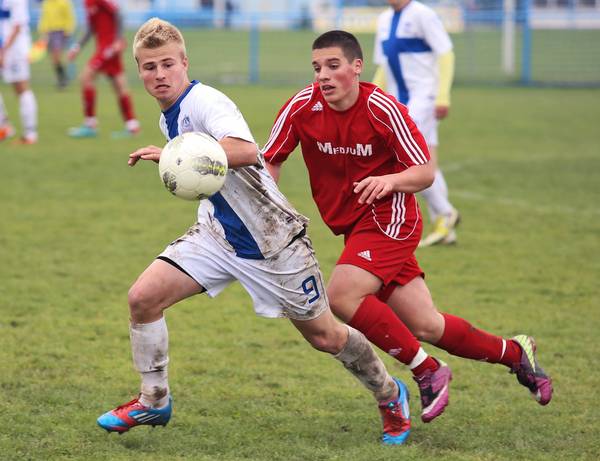

A 14-year-old midfielder complains of feeling tired constantly. The coach wonders if training is too intense, but the player only attends twice weekly. Then the coach learns this player also trains with their school team three times per week, plays Sunday league, and attends a district development centre on Fridays. Five football sessions plus two matches every week - no wonder they're exhausted.
Without systematic football fitness tracking, these situations remain invisible until players break down through injury, illness, or burnout. Coaches make training decisions based on intuition rather than information, sometimes pushing tired players harder whilst letting fresh players coast.
Tracking player fitness and training load isn't about turning grassroots football into professional sports science. It's about making informed decisions that protect young players whilst optimizing their development. Simple systems that capture essential information enable coaches to balance challenge and recovery appropriately.
Why Fitness Tracking Matters in Grassroots Football
Youth development depends on appropriate progressive loading. Players improve when training stimulus challenges them slightly beyond current capabilities, followed by adequate recovery. Too little stimulus produces no adaptation. Too much stimulus without recovery causes breakdown.
Performance optimization through proper loading maximizes what players can achieve within their available training time. Well-managed players train effectively when fresh rather than going through motions whilst fatigued. Quality beats quantity when load is managed properly. Understanding what is grassroots football helps contextualize why development-focused load management matters more than simply maximizing training volume.
Long-term athletic development principles recognize that young bodies develop at different rates and respond differently to training stress. What appropriately challenges one 13-year-old might overtrain another of the same age. Tracking reveals these individual differences.
Building sustainable training habits protects players from the boom-bust cycles that plague grassroots football. Players who train consistently at appropriate loads develop steadily over years. Those who overtrain, burn out, quit, and return repeatedly never reach their potential.
Avoiding burnout in young athletes matters enormously for participation retention. Physical burnout from overtraining and psychological burnout from excessive competition pressure cause talented players to quit football entirely. Tracking provides early warning signs enabling intervention before burnout becomes terminal.
The Problem with Intuition-Based Load Management
Coaches can't see cumulative stress from sources outside their direct observation. That player looking fine at Tuesday training might have played 120 minutes over the weekend, trained with school Monday and Wednesday, plus done PE lessons twice. The cumulative load is excessive, but the coach only sees their own sessions.
Players don't report fatigue accurately for multiple reasons. Young players often can't recognize or articulate fatigue. Competitive players hide tiredness to avoid being dropped. Some fear disappointing coaches. Others genuinely don't notice gradual fatigue accumulation until it becomes overwhelming.
Multiple commitments creating overload have become the norm in youth football. Talented players receive invitations to extra sessions, representative squads, and development centres. Parents assume more football equals better development. The cumulative effect frequently exceeds what young bodies can handle.
Recovery needs vary by individual far more than coaches typically recognize. One player bounces back from intense sessions in 24 hours. Another needs 48-72 hours for equivalent recovery. Age, maturity, genetics, sleep quality, nutrition, and life stress all influence recovery capacity.
Warning signs appear too late when relying solely on observation. By the time performance decline becomes obvious, overtraining is already advanced. Early intervention requires catching subtle indicators before they cascade into serious problems.
Understanding Training Load Basics
Training load represents the cumulative stress placed on athletes from all training and competition activities. It encompasses volume (how much), intensity (how hard), and frequency (how often). All three factors contribute to total load.
Acute versus chronic workload ratios compare recent load (typically last week) to longer-term average load (typically last four weeks). Rapid increases in acute load relative to chronic load substantially elevate injury risk. Safe progression involves gradual load increases that don't spike this ratio dangerously.
Age-appropriate load considerations recognize that younger players tolerate less total load than older players, recover more slowly from intense efforts, and vary more dramatically in their individual capacities. Under-12s might handle 3-4 football activities weekly whilst under-16s manage 5-7, but individual variation within age groups exceeds variation between them.
Different load types require monitoring. Physical load from running and physical contact represents one dimension. Technical load from complex skill work creates cognitive and physical demands. Psychological load from competition pressure, difficult opponents, or high-stakes matches adds stress independent of physical exertion.
Recovery as part of load management means rest days aren't empty spaces in schedules - they're essential training components. Adaptation happens during recovery, not during stimulus. Players who never rest never improve optimally because they never allow adaptation to occur.
Simple Metrics Grassroots Coaches Can Track
Session Duration and Intensity
Time-based load estimation provides the simplest starting point. Record how long each session lasts and roughly how intense it was (light, moderate, intense). Multiply duration by intensity for a simple load score. A 90-minute intense session scores higher than a 60-minute moderate session.
Perceived exertion scales let players rate how hard sessions felt on 1-10 scales. This subjective measure correlates surprisingly well with objective load measurements whilst requiring zero equipment. Players learn to gauge exertion accurately with practice.
Simple RPE implementation happens through quick questions after each session. "On a scale of 1-10, where 1 is super easy and 10 is the hardest you've ever trained, how hard was today?" Record the response along with session duration.
Age group modifications matter because younger players struggle with 1-10 scales. Use simpler options for under-12s: "Was training easy, medium, or hard today?" Older players handle more nuanced scales.
Training Attendance Patterns
Frequency monitoring reveals how often players actually train across all commitments. Don't just track your team's sessions - ask players to report all football activities. School football, other teams, development centres, even kickabouts with friends if they're intense and prolonged.
Rest day tracking shows whether players ever actually rest. Some keen players schedule football activities literally every day. They need coaches encouraging strategic rest more than extra training opportunities.
Multi-team participation visibility prevents coaches from accidentally overloading players. If players train with three teams simultaneously, all three coaches need awareness of total load. Otherwise, each coach plans appropriate loading for their sessions whilst collective load becomes excessive.
School sport commitments often escape notice. PE lessons, school team training, inter-school competitions - these activities contribute to total load despite not being "football." For players doing multiple sports, cumulative load from all activities matters.
Basic Wellness Indicators
Sleep quality reporting catches overtraining early. Players requiring significantly more sleep than usual, or sleeping poorly despite being tired, often show early overload. Simple questions: "How well did you sleep last night? Better than usual, worse than usual, or normal?"
Soreness levels distinguish between normal post-training soreness and excessive persistent soreness indicating insufficient recovery. "Are you more sore than usual, less sore than usual, or about normal?" Persistent above-normal soreness suggests load reduction needed.
Mood and energy changes precede performance declines. Players who become irritable, lose motivation, or consistently feel low energy despite adequate sleep may be overtraining. Weekly check-ins asking about mood and energy provide early warnings.
Illness and injury tracking identifies patterns. Players who repeatedly fall ill or suffer minor injuries often carry excessive training loads suppressing immune function and increasing injury susceptibility. TeamStats platforms can systematically track these indicators alongside training records.
Simple questionnaire approaches work brilliantly for wellness monitoring. Three questions weekly captures most important information: How's your energy? How's your sleep? How sore are you? Takes 30 seconds per player, provides invaluable insights.
Match Minutes and Intensity
Playing time accumulation matters more than coaches often recognize. Players who start every match, play full 90 minutes, and never rest accumulate enormous loads. Rotation isn't about fairness - it's about load management protecting players from excessive cumulative stress.
Match intensity considerations recognize that matches create different loads than training. Competitive matches, especially against strong opponents, generate higher physical and psychological loads than training sessions of equivalent duration.
Tournament load management becomes critical during summer and holiday periods. Three matches in one weekend creates massive acute load spikes. Players need reduced training load the week before tournaments and recovery time afterward.
Competition frequency monitoring ensures players don't compete too often. Some players love matches and would play twice daily if possible. Coaches must sometimes protect enthusiastic players from themselves by limiting match participation.
Implementing a Practical Tracking System
Starting simple with essential metrics prevents overwhelming yourself and players. Begin with just three data points: session duration/intensity, wellness questions, and match minutes. Add more sophisticated tracking only after these basics become routine.
Digital forms and mobile-friendly inputs make reporting effortless. Players complete quick check-ins from their phones. Coaches review dashboard summaries rather than compiling data from paper forms. Team management apps integrate fitness tracking alongside scheduling and communication.
Weekly check-in routines establish consistency. Perhaps Monday mornings players report on weekend matches. Thursday evenings they complete pre-training wellness checks. Regular timing creates habits that feel automatic rather than burdensome.
Player self-reporting education teaches what to track and why. Explain that tracking helps coaches design training that keeps them healthy and improving. Demonstrate how data reveals patterns individuals can't see without objective records.
Coach observation documentation complements player self-reporting. Coaches notice things players miss - unusual movement patterns, uncharacteristic errors, subtle performance changes. Quick notes capturing these observations add valuable context to quantitative data.
Age-Appropriate Fitness Monitoring
Youth Players (U7-U12)
Fun and engagement focus means tracking shouldn't feel like medical monitoring. Use simple, playful approaches. Traffic light systems where players colour themselves red/yellow/green based on energy work better than numerical scales.
Basic fatigue recognition education teaches young players to notice when they feel tired, sore, or low on energy. Many young children push through discomfort without recognizing warning signs. Teach them it's okay to feel tired and important to report it. Understanding the best age to start playing football helps coaches set appropriate load expectations.
Play-based load management uses observation more than formal tracking. Watch for players who usually love training becoming disengaged. Notice performance drops in players typically performing well. These observational cues guide load adjustments.
Parent involvement in monitoring leverages parents' daily observations. Parents notice sleep patterns, mood changes, and energy levels coaches can't see. Brief monthly conversations with parents about their child's wellbeing provide load management context.
Adolescent Players (U13-U16)
Growth spurt considerations become paramount during adolescence. Players growing rapidly temporarily lose coordination, suffer more soft tissue injuries, and fatigue more easily. Extra monitoring during growth periods enables appropriate load reductions.
Increased load tolerance develops through adolescence. Properly progressive loading builds capacity safely. Track load increases carefully, ensuring they remain gradual enough for adaptation without causing breakdowns.
Self-awareness development turns fitness tracking into educational opportunities. Teach players to recognize their own fatigue patterns, understand recovery needs, and take ownership of their athletic development. This self-knowledge serves them throughout athletic careers.
Injury risk period management addresses the reality that adolescent players suffer higher injury rates than younger or older players. Careful load management during these vulnerable years pays long-term dividends in injury prevention.
Senior Players (U17+)
Performance-focused tracking becomes appropriate with older players who've built training foundations. More sophisticated metrics like specific position-related fitness measures provide actionable insights for performance optimization.
Higher intensity tolerance means training can be more demanding, but recovery monitoring becomes even more important. Adult bodies recover differently than adolescent bodies, and work/life stress adds to total load.
Career longevity considerations matter for players aspiring to continue football into their 20s, 30s, and beyond. Load management protecting bodies from excessive wear builds sustainable athletic careers rather than brief intense periods followed by forced retirement.
Work and football balance requires monitoring among adult players balancing careers with sport. Physical jobs add to training load. Work stress contributes to total stress load affecting recovery. Complete load management accounts for life outside football.
Identifying Warning Signs of Overtraining
Performance decline patterns often manifest subtly before becoming obvious. Players take slightly longer to recover between sprints. Technical execution deteriorates under pressure. Decision-making slows. Consistent small declines across multiple sessions signal overtraining more reliably than single bad sessions.
Persistent fatigue indicators include needing more sleep than usual, waking unrefreshed despite adequate sleep, and feeling tired throughout days rather than just post-training. When fatigue becomes constant rather than session-specific, load reduction becomes urgent.
Mood and motivation changes frequently precede physical symptoms. Players who love football losing enthusiasm, becoming irritable, or showing apathy toward activities they usually enjoy often carry excessive training loads affecting psychological wellbeing.
Increased injury susceptibility shows through repeated minor injuries, slow healing, or injuries in areas previously unproblematic. Overtraining suppresses immune function and impairs tissue repair, making injuries more frequent and recovery slower.
Recovery taking longer than normal means soreness lasting beyond typical timeframes or requiring more rest days than usual to feel fresh. Individual baselines vary, but players who know their own recovery patterns recognize when it's taking too long.
Recovery Monitoring and Management
Adequate rest day scheduling ensures players actually rest. For youth players, at least two complete rest days weekly protects against overload. Adolescents might handle one rest day weekly if total load stays moderate. Adults need rest days scaled to training intensity.
Active recovery activities on rest days differ from passive rest. Light cycling, swimming, or walking promotes blood flow aiding recovery without creating training stress. These activities help bodies recover faster than complete inactivity whilst avoiding additional load.
Sleep importance education recognizes that sleep drives adaptation and recovery more than any other factor. Players sleeping poorly or insufficiently won't recover properly regardless of rest days. Emphasize 8-10 hours nightly for young players, 7-9 for adults.
Nutrition and hydration basics support recovery. Bodies need fuel and fluids to repair training damage. Simple guidance - eat balanced meals, hydrate well, consume protein after intense training - covers most grassroots needs without requiring nutritionist-level knowledge.
Mental recovery recognition acknowledges that psychological stress from competition, pressure, or conflicts affects total load. Players stressed about school, family, or social situations need reduced training loads because they're already carrying heavy psychological loads.
Using Data to Inform Training Planning
Adjusting session intensity based on load means checking fitness data before finalizing session plans. If players report high fatigue and soreness, shift from intense sessions to lighter technical work. Data transforms training from fixed schedules into responsive programming.
Individual player load customization recognizes differing capacities and commitments. The player training twice weekly might handle higher intensity when present. The player training five times weekly needs moderate intensity at your sessions to avoid overload.
Tapering before important matches involves strategically reducing load preceding competitions. Players perform best when fresh rather than fatigued. Plan light, technical sessions the 2-3 days before crucial matches based on accumulated load data.
Periodization principles for grassroots apply professional concepts at appropriate scales. Build load gradually across pre-season. Peak for key competition periods. Include recovery phases during school holidays or season breaks. Data guides these macro-level planning decisions.
Data-driven decision making replaces guesswork. When fitness data shows specific players carrying excessive loads, adjust their participation proactively rather than waiting for breakdowns. Objective information enables confident intervention.
Injury Prevention Through Load Management
Rapid load increases represent the single biggest controllable injury risk factor. When acute load jumps substantially above chronic load, soft tissue injury risk multiplies. Tracking enables coaches to see and prevent dangerous load spikes.
Proper progression principles suggest increasing load no more than 10-15% weekly. This conservative approach allows progressive adaptation without overwhelming recovery capacity. Fitness tracking quantifies progression rates, ensuring they stay safe.
Return from injury protocols must involve gradual load rebuilding. Players returning from injury carry zero chronic load. Attempting full participation immediately creates massive acute-to-chronic ratios. Tracked progressive loading enables safe return.
Baseline fitness establishment through early-season tracking provides reference points for detecting meaningful changes. Compare current data to player baselines rather than team averages. Individual deviations from baseline warrant attention even if absolute values seem normal.
Maintenance load identification determines the minimum weekly load required to maintain fitness. During busy periods or recovery phases, maintenance load provides the floor below which players detrain. Tracking reveals these individual thresholds.
Communication with Parents About Load
Explaining training load concepts helps parents understand why you might limit their talented child's training despite requests for more. Share simple load management principles and injury risk data. Most parents prioritize long-term player health once informed.
Managing multiple sport commitments requires diplomatic conversations about cumulative load. Support multi-sport participation whilst explaining that excessive total load creates problems regardless of source. Suggest strategic scheduling - perhaps reduce football when cricket season intensifies, and vice versa.
Rest day importance advocacy challenges the "more is better" mindset prevalent in youth sports. Explain that recovery drives adaptation and excessive training prevents improvement. Athletes improve by training hard then resting, not by training constantly.
Warning sign education teaches parents what to monitor at home. Share the wellness indicators you track. Parents can reinforce concepts at home, noticing sleep problems, mood changes, or persistent fatigue and communicating concerns to coaches.
Collaborative load management works best when coaches, players, and parents share information and coordinate decisions. Explain the football fitness tracking approach, invite parent input about their child's wellbeing, and make load management a team effort.
Technology Tools for Fitness Tracking
Team management platform integration handles fitness tracking alongside other team functions. Recording training load, wellness data, match minutes, and injury information within the same system used for availability and communication creates comprehensive player profiles supporting holistic management.
Mobile apps for player input maximize completion rates. Players fill out quick check-ins from phones rather than completing paper forms. Push notifications remind them to report weekly. Mobile convenience turns tracking from chore into habit. Football coaching apps designed specifically for grassroots needs make implementation straightforward.
Spreadsheet alternatives exist for clubs preferring simple, free approaches. Google Forms feeding into Google Sheets automate basic tracking. While less sophisticated than purpose-built platforms, they work perfectly well for essential monitoring.
Visual dashboards for quick assessment present data graphically rather than numerically. Traffic light systems (green/amber/red) based on load thresholds enable at-a-glance understanding. Trend charts show load accumulation over time.
Offline tracking capabilities matter for coaches working in locations with poor connectivity. Systems that allow offline data entry syncing later ensure tracking continues regardless of technical limitations.
Building Player Buy-In for Tracking
Explaining personal benefits motivates participation. Show players how tracking protects them from injury, helps them improve faster, and extends their football careers. Frame fitness tracking as enabling better performance rather than imposing restrictions.
Showing individual progress using collected data demonstrates value. "Look how your recovery has improved since we adjusted your training." "Notice your performance stayed strong through this intense period because we managed load carefully." Evidence builds belief.
Privacy and data use transparency addresses legitimate concerns about personal information. Explain who sees fitness data, how it's stored, and that it's used solely for improving their training. Never shame players publicly using their data.
Minimizing reporting burden ensures tracking remains sustainable. Keep check-ins brief - 1-2 minutes maximum. Use simple scales rather than complex measurements. Convenience correlates strongly with compliance.
Celebrating good practices reinforces desired behaviours. Recognize players who consistently complete check-ins and proactively manage their own recovery. Public acknowledgment (without revealing private data) encourages others to engage seriously.
Common Mistakes in Fitness Tracking
Over-complicating measurement kills tracking programmes before they establish momentum. GPS units, heart rate monitors, detailed biomechanical assessments - these sophisticated tools offer limited value without proper expertise. Start simple, add complexity only if clear needs emerge.
Ignoring data once collected wastes everyone's effort. Tracking without reviewing data and adjusting training makes data collection pointless. Regular review sessions ensure data informs decisions rather than accumulating uselessly.
Tracking without action frustrates players providing information. When players report high fatigue but training proceeds unchanged, they learn reporting doesn't matter. Data must drive visible adjustments or participation declines.
Comparing players inappropriately creates problems. Individual load tolerance varies enormously. Player A handling 7 weekly sessions doesn't mean Player B should attempt the same. Compare individuals to their own baselines, not to teammates.
Neglecting recovery monitoring while tracking training load misses half the equation. Load matters only relative to recovery capacity. Track both stimulus and response for complete pictures.
Case Study Examples
Preventing burnout through data: A talented 15-year-old trained with club, school, and county teams whilst maintaining straight-A grades. Fitness tracking revealed consistently high fatigue and declining wellness scores despite strong performance. Coach intervened proactively, negotiating reduced club training to prevent predicted burnout. Player continued progressing without breakdown.
Identifying growth-related fatigue: An under-14 player suddenly struggled completing training previously handled easily. Fitness data showed high reported exertion for standard sessions. Coach recognized growth spurt indicators, reduced load expectations, and scheduled follow-up. Load gradually increased as player adapted to new height. Injury avoided.
Managing multi-sport athletes: A player competing in both football and athletics trained 6-7 times weekly across both sports. Tracking revealed excessive cumulative load. Coaches from both sports coordinated, staggering intensity so hard football weeks coincided with lighter athletics weeks. Performance in both sports improved through better recovery.
Optimizing performance for tournaments: A team tracked load rigorously before a major tournament. Data-guided training taper ensured players arrived fresh rather than fatigued. Despite being seeded lower, they performed above expectations, reaching the final whilst better-resourced teams with tired players were eliminated early.
Supporting injury comeback: A player returning from serious knee injury gradually rebuilt load under careful monitoring. Tracking showed when load approached safe progression limits. Medical staff, coaches, and player collaborated using data to accelerate return whilst preventing re-injury. Player returned ahead of schedule without setbacks.
Creating a Sustainable Tracking Routine
Weekly rhythm establishment builds habits through consistency. Same-day reporting, same review schedule, predictable patterns. Monday morning wellness check-in, Friday afternoon load review - whatever schedule works, maintain it consistently.
Minimal time investment approach prevents tracking from becoming burdensome. Plan for 5-10 minutes weekly per player for data collection and review. More sophisticated analysis happens monthly or quarterly, not constantly.
Coach and player responsibilities should be clearly defined. Players report their wellness and external training. Coaches record session loads and observations. Neither party should carry excessive individual burden - distribute effort appropriately.
Regular review schedules ensure data gets used. Perhaps monthly 30-minute sessions reviewing each player's load patterns, identifying concerns, and adjusting training plans. Quarterly deeper dives examining longer-term trends and seasonal patterns.
Continuous improvement mindset means tracking systems evolve. What works initially might need adjustment. Remain open to feedback from players and fellow coaches. Refine approaches based on what proves valuable versus what just creates noise.
Conclusion
Tracking player fitness and training load transforms guesswork into informed decision-making. Simple systems capturing essential information enable coaches to balance challenge and recovery appropriately, protecting young players whilst optimizing their development.
The investment required - a few minutes weekly per player - pales compared to consequences of getting load management wrong. Injured players, burned-out athletes, and preventable performance problems all impose far greater costs than basic fitness tracking.
Most importantly, football fitness tracking demonstrates genuine care for player wellbeing beyond just winning matches. Parents notice when coaches systematically monitor their children's health. Players appreciate being treated as individuals with unique needs rather than interchangeable squad members.
Start simple today. Track three basic things: how hard training feels, how well players are recovering, and how much they're playing. Review the data weekly. Adjust training based on what it reveals. These foundational practices protect players whilst building the evidence base for more sophisticated approaches as confidence grows.
Ready to start tracking systematically? Use the team management app to integrate football fitness tracking alongside your scheduling, communication, and development record-keeping - all the tools needed to manage player loads intelligently within one platform.
═══════════════════════════════════════════════════════════════