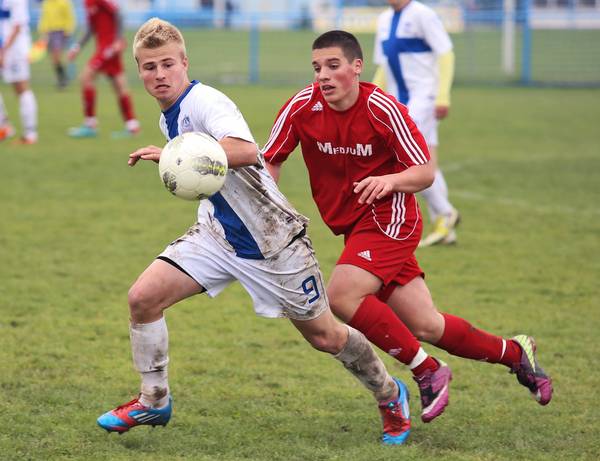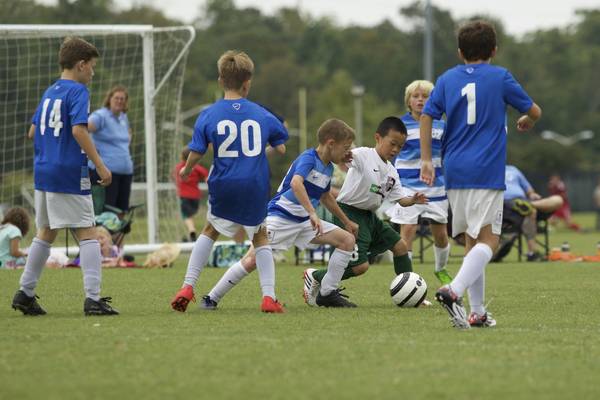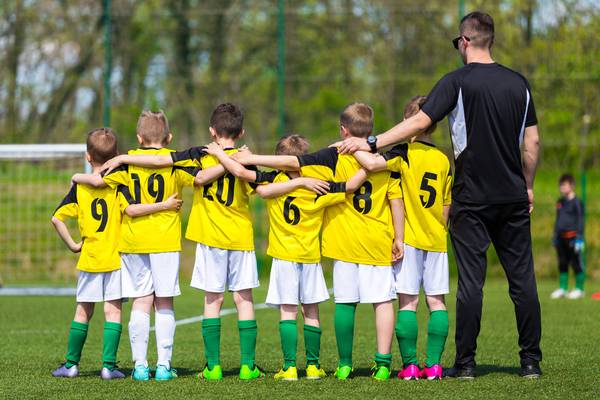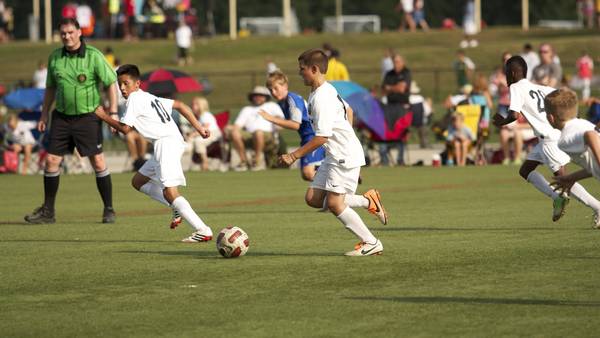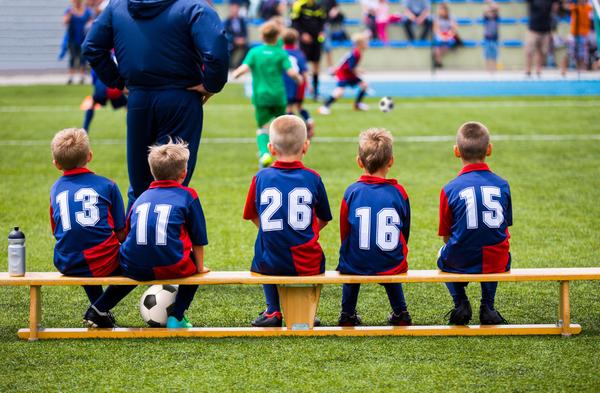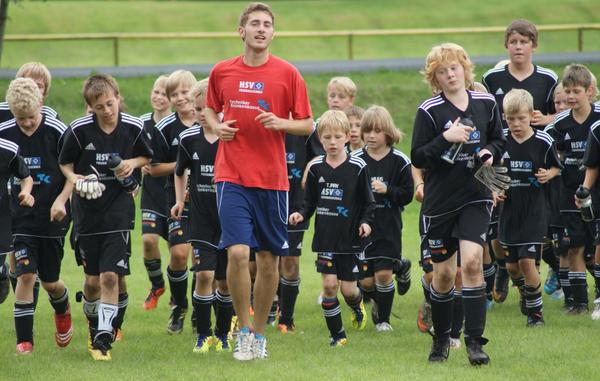
A heated tackle, a disputed decision and several players surrounding the referee can turn an ordinary Sunday League match into a confrontation. The Football Association is testing a formal response: cooling-off periods that allow officials to suspend play, separate the teams and restore control before the match becomes unsafe.
The trial forms part of a broader attempt to address misconduct in English grassroots football, giving referees another option between cautions and abandonment.
Intervention Before Abandonment
The FA received 4,277 allegations of serious grassroots misconduct during the 2023/24 season, an increase of 13% compared with the previous campaign. These cases included assaults, threats, discrimination and physical contact with match officials.
Some digital services make unfamiliar systems easier for newcomers by keeping the initial financial commitment low. A low deposit casino allows a new user to explore the platform through a limited opening payment. The smaller sum does not remove the risk of losing money, but it restricts the amount initially exposed. A cooling-off period follows a comparable principle of early intervention: it contains escalating behaviour before abandonment becomes the referee’s only safe option.
The pause is reserved for confrontations, intimidation or a loss of control that could threaten safety.
How the Procedure Works
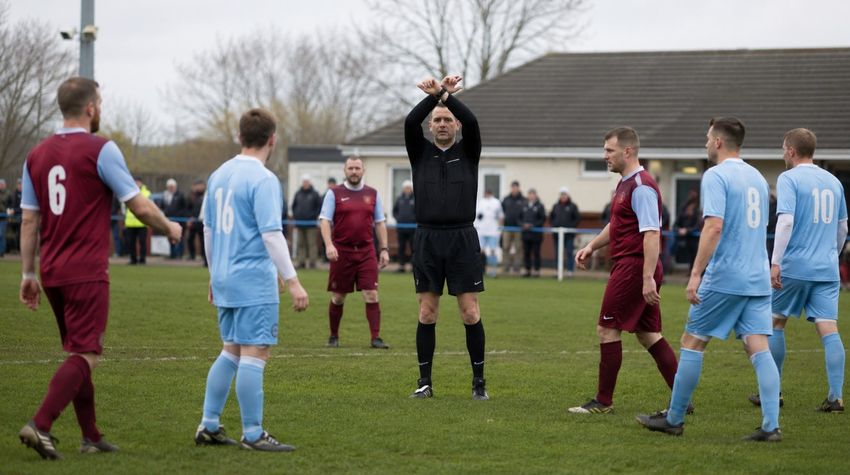
The official IFAB trial protocol gives the referee a defined signal and sets out where every participant must go. Competitions require permission through the relevant national association.
|
Stage |
Required action |
|
Referee’s signal |
Whistle, arms raised above the head with wrists crossed, followed by an outward movement at shoulder height |
|
Players |
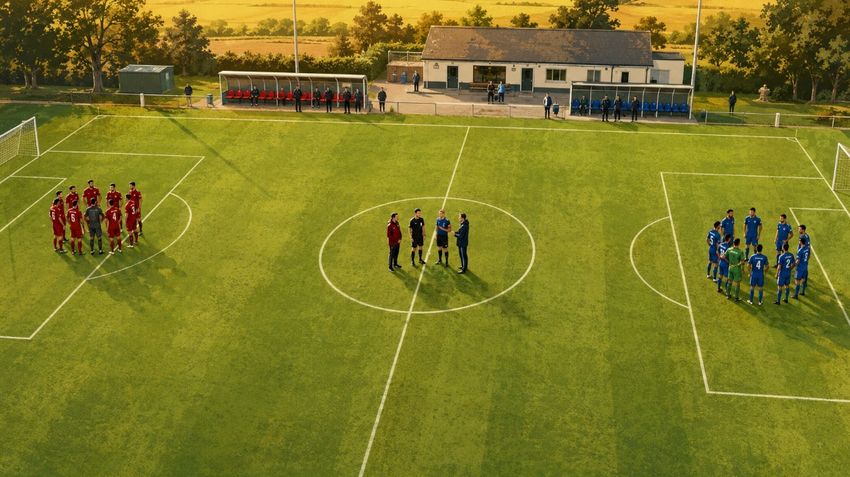
Both teams move to their own penalty areas or another safe place selected by the referee |
|
Meeting |
Captains, coaches and match officials gather in the centre circle |
|
Technical areas |
Substitutes and other team officials remain off the pitch |
|
Restart |
Captains return to the centre circle before play resumes |
|
Second incident |
One further pause is permitted; continued unsafe behaviour leads to abandonment |
A player who refuses to remain in the designated area may receive a yellow card. One team official may approach the players to provide drinks or assess an injury.
The Referee Controls the Clock
There is no fixed five-minute or ten-minute duration. The referee decides how long the separation should last, considering the incident, weather and safety conditions. A short warm-up can be permitted after a lengthy interruption.
Lost time is added at the end of the relevant half. The referee can also abandon the fixture immediately, as a cooling-off period is an additional management tool rather than a compulsory step.
Captains Gain a Practical Responsibility
During the centre-circle meeting, captains receive the reason for the suspension, its expected duration and the conditions required for play to continue. They must then communicate those instructions to their teams.
Useful actions include:
-
separating players involved in the original incident;
-
preventing teammates from approaching the referee;
-
identifying anyone unlikely to regain composure;
-
confirming the required restart behaviour;
-
helping the coach decide whether a substitution is sensible.
The captain cannot cancel a caution or negotiate a different decision. The role concerns communication and control, leaving disciplinary authority with the referee.
Coaches Must Manage More Than Tactics
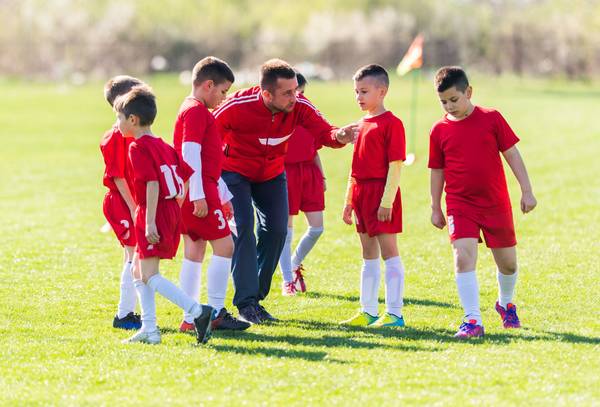
An unexpected pause creates a difficult technical-area decision. A coach may need to replace a player whose judgement has deteriorated, particularly after a caution. Turning the break into an improvised tactical meeting could keep the emotional intensity high.
A concise message is more appropriate: step away, speak through the captain and expect close scrutiny on the next challenge. Pre-match preparation should also establish:
-
who speaks when the usual captain is substituted;
-
which coach attends the centre-circle meeting;
-
how substitutes remain clear of the pitch;
-
who monitors players involved in the confrontation;
-
how the incident is recorded after the match.
These details can sit alongside line-ups, availability and emergency contacts in the club’s matchday notes.
A Tactical Interruption Still Has Consequences
A team defending sustained pressure receives an unscheduled break, while the attacking side loses momentum. Players may also return with different levels of physical readiness.
Managers should resist treating the suspension as an advantage. Attempting to provoke a pause carries an obvious disciplinary risk, and the referee can abandon the match if control is not restored.
The first tackle after the restart may be especially sensitive. A calmer spell of possession can help both teams settle again.
How the Trial Fits Wider Changes
Cooling-off periods sit beside several other FA behaviour measures. Under the Captains Only protocol, a four-metre zone surrounds the referee after a decision. A player entering that space without permission can be cautioned for dissent.
Selected leagues have also used referee bodycams. During an earlier trial, cameras were worn across more than 4,000 fixtures and activated only six times. Their visible presence was intended to discourage abuse.
The FA has introduced a £75 mandatory minimum fine for individual misconduct charges involving protected characteristics. Recommended starting fines for related club misconduct range between £100 and £200, depending on the playing level.
Recording What Happens Next
Participating competitions need consistent records of the suspension minute, duration, trigger, cautions, substitutions and whether the fixture was completed. Reports should distinguish a cooling-off period from an injury delay or ordinary disciplinary stoppage.
That evidence will show whether the procedure reduces abandonments, repeat confrontations and abuse directed at officials. A successful pause may look uneventful: teams separate, captains deliver the message and play resumes. That quiet outcome is precisely what the trial is intended to achieve.