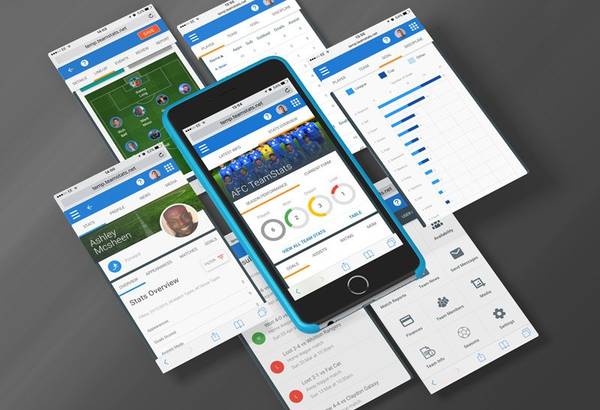

Every grassroots football coach knows the weekly ritual: sending messages to parents, waiting for responses, following up with those who haven't replied, and dealing with last-minute changes that disrupt carefully planned team selections. This repetitive cycle consumes hours of valuable time that coaches would rather spend planning training sessions or analysing tactics. The solution lies in modern technology that can automate team availability processes, transforming one of football's most frustrating administrative tasks into a streamlined, efficient system.
For volunteer coaches already balancing work commitments, family responsibilities, and their dedication to grassroots football, chasing player availability feels particularly burdensome. Manual availability collection through WhatsApp groups, text messages, or phone calls rarely achieves complete response rates, leaving coaches uncertain about squad composition even hours before kick-off. Automated systems eliminate this frustration whilst improving communication standards and enabling better match preparation.
The Problem with Manual Availability Collection
Traditional approaches to gathering player availability create unnecessary stress and waste significant time. Understanding these challenges helps illustrate why automation delivers such transformative value for grassroots football clubs.
Time-Consuming Communication Loops
Sending individual messages to fifteen or twenty parents, tracking who has responded, remembering who needs follow-up reminders, and consolidating responses into usable information takes far longer than most people realise. A task that should require five minutes easily stretches into an hour or more across multiple days as coaches chase responses between work meetings or during family time.
WhatsApp groups, whilst popular for team communication, prove particularly problematic for availability collection. Messages get buried beneath unrelated conversations about training kit, car sharing arrangements, and social chat. Parents genuinely intending to respond forget amidst busy schedules, whilst others assume someone else has already confirmed their child's availability when they see group messages.
Phone calls provide reliable confirmation but require finding time when both coach and parent are available to talk. For coaches managing multiple teams or parents juggling several children's activities, coordinating these conversations becomes a logistical nightmare that rarely fits neatly into anyone's schedule.
Inconsistent Response Rates
Some parents respond immediately to availability requests, providing prompt confirmation that allows confident planning. Others take days to reply, leaving coaches uncertain whether silence indicates unavailability or simply message oversight. This inconsistency makes team selection decisions unnecessarily difficult and stressful.
Last-minute availability changes compound these challenges. Parents who confirm attendance on Monday sometimes need to withdraw by Friday due to family commitments, illness, or unexpected conflicts. When coaches receive this information hours before kick-off, finding replacement players and adjusting tactical plans becomes a frantic scramble that compromises match preparation quality.
The impact extends beyond individual matches. Chronic poor response rates from certain families create perception problems around commitment levels that may not reflect reality. Parents who regularly forget to respond might be just as dedicated as those who reply instantly, but their communication habits create unnecessary tension and misunderstandings within team communities.
How Automation Transforms Availability Management
Modern platforms that automate team availability collection address these challenges through intelligent systems designed specifically for grassroots football's unique requirements. Rather than replacing human communication entirely, automation handles repetitive administrative tasks whilst preserving the personal relationships that make youth football special.
Instant Notification Systems
Automated availability requests reach all parents simultaneously through their preferred communication channels - push notifications, emails, or SMS messages. This consistent delivery ensures nobody misses requests buried in group chats or overlooked in busy inboxes. Scheduling features allow coaches to set up fixture reminders days or weeks in advance, with the system automatically triggering notifications at optimal times.
Customisable reminder intervals address the inconsistent response problem elegantly. Parents who haven't responded within 24 hours receive gentle follow-up reminders, then additional prompts as match day approaches. These automated nudges achieve far higher response rates than manual follow-up whilst requiring zero coach time or effort.
Push notifications prove particularly effective because they appear directly on parents' phone home screens, cutting through digital noise that causes email and text messages to go unnoticed. This immediacy dramatically improves response times compared to traditional communication methods.
Real-Time Availability Dashboard
Perhaps the most valuable feature of automated systems is the instant visibility they provide into squad availability. Rather than piecing together responses from scattered messages, coaches access clear dashboards showing exactly which players have confirmed attendance, who remains unresponsive, and any absence explanations provided by parents.
Visual representations make understanding availability patterns effortless. Traffic light systems or simple tick marks instantly communicate status, allowing coaches to assess squad strength at a glance rather than reviewing lengthy message threads. This clarity supports confident team selection decisions made well in advance rather than last-minute guesswork based on incomplete information.
Real-time updates mean coaches receive immediate notifications when players respond, allowing dynamic replanning as circumstances change. When a key player becomes unavailable, coaches instantly know and can adjust tactical preparations accordingly rather than discovering the absence at match day.
Key Features of Automated Availability Systems
Effective automation relies on specific functionality designed around how grassroots football actually operates. Understanding these features helps clubs evaluate different platform options and implement systems that deliver maximum value.
Simple One-Tap Responses for Parents
The most critical success factor for any automated availability system is response ease for parents. Complex processes requiring multiple steps or detailed information entry achieve poor adoption rates regardless of how sophisticated the underlying technology. The best platforms reduce parent effort to a single tap confirming attendance or indicating absence.
Mobile-first design acknowledges that most parents will respond from smartphones during brief moments in busy days - commuting to work, waiting in school pickup queues, or relaxing in evening downtime. Interfaces optimised for small screens with large, clearly labelled buttons make responding effortless even for less tech-savvy parents.
Optional comment fields allow parents to provide context for absences or note arrival time changes without requiring this information for basic responses. This flexibility respects varying parent communication preferences whilst maintaining simple core functionality that everyone can use successfully.
Customisable Reminder Schedules
Different fixtures require different availability timelines. Weekend matches might need confirmation by Wednesday evening to allow proper team selection and tactical planning, whilst midweek training sessions require quicker turnaround. Flexible reminder scheduling allows coaches to adapt automation to specific fixture requirements rather than accepting one-size-fits-all approaches.
Multiple reminder intervals help address the reality that parents sometimes genuinely forget initial requests despite best intentions. First reminders typically trigger 48-72 hours before deadlines, with follow-ups sent to non-responders at 24 hours and again on match day morning for any remaining silence. This graduated approach balances persistent communication with avoiding annoyance from excessive notifications.
Seasonal scheduling features prove particularly valuable for clubs that automate team availability across multiple competitions simultaneously. Coaches can configure different reminder patterns for league fixtures, cup matches, and friendly tournaments, ensuring appropriate communication for each fixture type without manual adjustment.
Integration with Team Selection
The true value of automated availability collection emerges when data flows seamlessly into team selection processes. Rather than manually transcribing availability information into separate team sheet tools, integrated systems automatically populate selection interfaces with current availability status for every player.
This integration eliminates transcription errors that occasionally cause unavailable players to appear on team sheets or available players to be overlooked. Coaches can trust that selection tools reflect accurate, current availability information without cross-referencing multiple sources or worrying about overlooked message updates.
Some advanced platforms even suggest optimal team selections based on availability, tactical preferences, and rotation policies. Whilst coaches retain final selection authority, these suggestions save time and ensure consideration of all available players rather than defaulting to familiar selections through habit or oversight.
Benefits for Coaches and Team Managers
The advantages of automation extend far beyond simple time savings, though those alone justify implementation. Coaches experience reduced stress, improved match preparation quality, and enhanced professional standards that strengthen their credibility with parents and club administrators.
More Time for Coaching and Tactics
Hours previously spent chasing availability updates can be redirected toward activities that directly improve player development and team performance. Coaches gain time to plan more detailed training sessions, analyse opponent strengths and weaknesses, or develop individual improvement plans for players needing extra support.
This shift from administration to coaching represents automation's most significant contribution to grassroots football quality. Young players benefit when coaches arrive at training with well-prepared session plans rather than hastily improvised activities thrown together during brief pre-session windows. Match performances improve when tactical preparation reflects thoughtful analysis rather than rushed last-minute planning.
The mental space freed by eliminating availability stress shouldn't be underestimated either. Coaches who don't carry constant low-level anxiety about squad confirmation bring more positive energy to training sessions and matches, creating better experiences for young players and more enjoyable volunteering for themselves.
Improved Match Day Planning
Confident squad knowledge days before fixtures enables proper tactical planning tailored to available players rather than generic approaches that may not suit whoever shows up. Coaches can design formations that maximise available talent, prepare substitution patterns accounting for squad depth, and communicate roles clearly to players during pre-match preparation.
Early availability confirmation also allows time to recruit additional players when squad numbers fall short. Rather than desperately calling around on match morning, coaches with advance notice can arrange guest players from other age groups or coordinate with neighbouring clubs facing similar shortfalls. This planning ensures better match experiences for children who get to play proper football rather than making up numbers in undersized teams.
Professional football coaching apps that automate team availability often include additional match day planning features like warm-up routine templates, tactical board tools, and match report systems. This comprehensive approach to coaching organisation elevates grassroots standards whilst remaining accessible for volunteer coaches without professional training backgrounds.
Professional Communication Standards
Consistent, reliable communication processes demonstrate club professionalism that builds parent confidence and enhances reputation within local football communities. When parents know exactly when to expect availability requests, understand clear response expectations, and receive consistent reminder patterns, they perceive clubs as well-organised and trustworthy.
This professionalism matters particularly for clubs competing to attract and retain families in areas with multiple club options. Parents want their children involved with organisations that operate efficiently and treat members respectfully. Automated availability systems signal that clubs value parents' time and implement modern practices that support busy family schedules.
Clear communication standards also reduce conflicts arising from misunderstandings about selection decisions. When availability data is transparent and consistently collected, parents better understand team selection rationale and accept rotation policies more readily than when processes feel arbitrary or inconsistently applied.
Benefits for Parents and Players
Whilst coaches experience the most direct advantages from automation, parents and young players also benefit significantly from improved availability management processes. Understanding these benefits helps encourage parent adoption when clubs implement new systems.
Simplified Response Process
Parents juggling multiple children's activities, work commitments, and household responsibilities appreciate anything that simplifies their coordination workload. Single-tap availability responses from mobile apps take seconds rather than requiring parents to compose text messages, navigate group chats, or remember to call coaches back when convenient.
Clear fixture information provided alongside availability requests helps parents make informed decisions about attendance. Knowing kick-off times, venue details, and any special requirements (cup match, different kit, early arrival for photos) allows proper family planning rather than parents having to chase this information separately or make assumptions based on typical patterns.
Notification flexibility allows parents to configure communication preferences matching their lifestyles. Some prefer push notifications for immediate awareness, others check emails during daily planning sessions, whilst a few want SMS messages as most reliable for their circumstances. Accommodating these preferences through multi-channel delivery ensures all families can engage successfully regardless of technology habits.
Transparency and Fairness
Automated availability collection creates clear records visible to coaches and administrators that support fair player selection and rotation policies. Parents can trust that coaches make decisions based on objective availability data rather than favouritism or memory lapses. This transparency builds confidence in coaching integrity and reduces suspicions that sometimes emerge in grassroots environments where volunteer coaches might face conflicting loyalties.
Understanding squad-wide availability patterns helps parents appreciate selection challenges coaches face. When parents see that eight players were unavailable for a particular fixture, they better understand why their child played longer minutes than usual or why team performance didn't meet typical standards. This visibility into the bigger picture reduces unrealistic expectations and supports more collaborative coach-parent relationships.
Fair rotation implementation becomes more achievable when accurate availability histories allow coaches to balance playing time across entire seasons rather than just individual matches. Players who consistently attend matches and training can be appropriately rewarded for their commitment whilst those with lower availability due to legitimate conflicts still receive fair opportunities when they can participate.
Implementing Automated Availability in Your Club
Successfully introducing automated systems requires thoughtful planning and clear communication that brings your entire club community along the journey. Rushing implementation without adequate preparation often leads to poor adoption rates and frustrated volunteers abandoning promising tools before they deliver intended benefits.
Getting Started with Digital Tools
Begin by identifying your club's specific availability management pain points. Different clubs face different challenges - some struggle primarily with low response rates, others deal with last-minute changes, whilst many face capacity issues managing availability across multiple age groups simultaneously. Understanding your particular challenges helps select platforms with features addressing your needs rather than generic solutions offering impressive but irrelevant functionality.
Research options thoroughly before committing. Most platforms offer free trials that allow testing with a single team before club-wide rollout. Take advantage of these opportunities to evaluate user experience from both coach and parent perspectives. Involve volunteer administrators, coaches, and several parents in trial evaluation to gather diverse feedback about ease of use and functionality appropriateness.
Consider integration requirements carefully. Platforms that connect with your existing league management systems, communication tools, or payment processors deliver greater value than standalone solutions requiring duplicate data entry. Even excellent availability features lose appeal if they force coaches to juggle multiple platforms for different administrative tasks.
Best Practices for Maximum Adoption
Communication determines implementation success more than any other factor. Announce planned changes well in advance, clearly explaining why the club is adopting new systems and specifically how parents will benefit. Emphasise concrete improvements like time savings, clearer information, and more reliable communication rather than generic claims about "going digital" that may worry less tech-confident parents.
Host information sessions demonstrating the new system and allowing parents to ask questions in supportive environments. Consider multiple session times accommodating different work schedules, and record presentations for those unable to attend live. Provide simple written guides with screenshots showing step-by-step processes for common tasks like responding to availability requests.
Identify and empower early adopters who can serve as peer support for other parents. These champions, distributed across different teams and age groups, provide accessible help that feels less intimidating than contacting club administrators. Their enthusiasm and positive experiences encourage broader adoption whilst providing valuable feedback about any confusing aspects requiring clarification.
Overcoming Common Challenges
Even well-planned implementations encounter obstacles as clubs transition from familiar manual methods to automated approaches. Anticipating common challenges and preparing responses helps maintain momentum through difficult adjustment periods.
Managing Parents Who Prefer Traditional Methods
Some parents will resist any change regardless of clear benefits, preferring familiar communication methods even when objectively less efficient. Rather than forcing immediate wholesale adoption, maintain backup systems temporarily whilst encouraging gradual transition through positive reinforcement of automation benefits.
Continue accepting phone call confirmations or text message responses initially, but demonstrate how much easier app responses work through side-by-side comparisons during parent meetings. As early adopters share positive experiences and coaches visibly benefit from reduced administrative burden, even resistant parents often come around when they see automation working successfully for others.
For genuinely tech-resistant parents - perhaps elderly grandparents coordinating some childcare or families without smartphones - maintain simple alternative processes that don't undermine automated systems. A designated parent helper could input responses on behalf of a few families, or coaches could make quick phone calls knowing these represent exceptions rather than primary response channels.
Handling Last-Minute Availability Changes
Automated systems don't prevent the reality that children get sick, family emergencies arise, or unexpected conflicts emerge. However, they can streamline how coaches receive and respond to last-minute changes, reducing associated stress and disruption.
Enable push notifications for availability updates so coaches immediately know when players withdraw after initial confirmation. This instant awareness allows faster responses than periodically checking messages or waiting until coaches actively review squad status during match day preparations.
Build squad depth through club-wide coordination that automates team availability across multiple age groups simultaneously. When one team loses players to last-minute unavailability, coaches can quickly identify potential guest players from other teams through shared availability databases. This coordination transforms isolated team challenges into club-wide solutions that improve match experiences for all children.
Conclusion
The transformation from manual availability chasing to systems that automate team availability represents one of the highest-impact improvements grassroots football clubs can implement. For coaches spending hours weekly managing fragmented communication, platforms that automate team availability deliver immediate relief making volunteer roles sustainable and enjoyable.
Modern team management apps have become remarkably accessible, with user-friendly interfaces requiring minimal technical expertise. Understanding what grassroots football means helps clubs appreciate why professional organisation matters whilst maintaining community values.
Systems that automate team availability don't replace human relationships - they enhance them by removing friction, allowing everyone to focus on supporting young players' development. If your club struggles with chronic availability challenges or coaches burned out from administrative overload, TeamStats offers comprehensive solutions specifically designed for grassroots football. Transform your availability management today and discover how automate team availability systems empower coaches to focus on coaching rather than chasing responses.