
Running a grassroots football club means juggling dozens of weekly tasks that eat up volunteer time. Team managers send the same fixture reminders every Saturday morning. Coaches chase availability updates from 15 players individually. Treasurers manually track subs payments in spreadsheets. These repetitive processes consume hours that could be spent coaching players or improving club culture.
Football automation tools now handle these time-draining tasks without requiring technical expertise. The technology has matured beyond enterprise-level systems, bringing practical automation to volunteer-run clubs across the UK. This shift matters because grassroots football relies on people who already balance full-time jobs, families, and coaching responsibilities.
Why Grassroots Clubs Need Automation
The average grassroots team manager spends 4-6 hours weekly on administrative tasks. That time breaks down into fixture confirmations, availability tracking, parent communications, payment reminders, and match day logistics. Multiply that across a club running eight teams, and the administrative burden reaches 40+ volunteer hours per week.
Manual processes create predictable problems. Messages get lost in WhatsApp groups with 200+ unread notifications. Parents forget match times because reminders arrive too early or too late. Subs payments go untracked until the treasurer discovers a £300 shortfall mid-season. These aren't failures of effort - they're failures of systems that don't scale with volunteer capacity.
Automation addresses this mismatch. When properly implemented, football automation tools handle repetitive tasks consistently whilst giving volunteers back time for meaningful work. The technology works in the background, triggering actions based on preset conditions without requiring constant human input.
Which Processes Actually Benefit From Automation
Not every club task needs automation. Some processes genuinely require human judgement or personal touch. But specific repetitive tasks deliver immediate returns when automated.
Fixture and training reminders top the list. Parents need match details 48 hours in advance, with automatic follow-ups for those who haven't responded. Training session reminders work best when sent the morning of practice, with weather updates if conditions change. These communications follow predictable patterns that automation handles perfectly.
Player availability tracking consumes enormous volunteer time. Chasing 15 players individually to confirm who's available for Saturday creates a week-long back-and-forth. Automated availability requests go out on a fixed schedule, with reminders to non-responders and automatic squad updates visible to coaching staff.
Payment collection and tracking causes persistent headaches for club treasurers. Monthly subs, tournament fees, kit payments, and trip costs require individual reminders, payment confirmation, and reconciliation against bank statements. Football team management apps automate payment tracking with reminders to outstanding payers and real-time balance updates.
Team selection and lineup sharing involves multiple communication rounds. Coaches select squads, notify players, handle dropouts, adjust formations, and share final lineups. Automation streamlines this workflow by sending selection notifications automatically once the coach confirms the squad, with formation graphics generated from the selected players.
Match day logistics require coordinating kit collection, arrival times, pitch locations, and post-match details. Automated match day packs send all relevant information in one message, with maps to venues and emergency contact details included by default.
How Automation Works in Practice
Effective automation relies on triggers and actions. A trigger is a specific event - a fixture being added, a player marking themselves unavailable, a payment deadline passing. The action is what happens automatically in response - a reminder sent, a squad list updated, a notification delivered to the manager.
The best systems require minimal setup. Managers define their preferences once - when to send fixture reminders, how many availability follow-ups to send, which payment deadlines to enforce. The system then applies these rules consistently to every fixture, training session, and payment cycle.
Consider fixture reminders as a practical example. A manager sets the system to send fixture details 48 hours before kick-off, with a follow-up 24 hours later to players who haven't confirmed availability. When the fixture is created, the automation engine calculates the send times and queues the messages. No further manager input required.
This approach eliminates the "remembering to remember" problem. Volunteer managers juggle multiple responsibilities, and it's easy to forget to send a reminder until Friday evening when half the team has made other plans. Football automation tools remove this failure point by executing tasks on schedule regardless of how busy the manager is.
Building Automation Workflows That Actually Work
Successful automation starts with mapping existing processes. Before implementing any technology, document what actually happens now. Who sends fixture reminders? When? What information do they include? How do they handle non-responses?
This mapping reveals opportunities and constraints. A club might discover that different team managers send reminders at wildly different times, creating inconsistent parent experiences. Or that availability tracking happens across three different platforms, making squad planning unnecessarily complex.
Once processes are mapped, prioritise based on time savings and error reduction. Start with high-volume, low-complexity tasks. Fixture reminders, training notifications, and availability requests fit this category perfectly. They happen frequently, follow predictable patterns, and consume significant time when done manually.
Implement automation in phases rather than attempting a complete transformation overnight. Begin with one team as a pilot, refine the workflows based on real feedback, then roll out to additional teams. This approach builds volunteer confidence and allows adjustments before committing the entire club.
Football automation tools deliver best results when customised to club-specific needs. An under-7s team needs different communication patterns than an under-16s squad. Parents of younger players typically want more detailed information and earlier reminders. Older age groups often communicate directly with players and prefer concise updates closer to match day.
Integration Points That Multiply Value
Automation becomes exponentially more valuable when systems connect. A standalone fixture reminder tool saves time, but integrating availability tracking, team selection, and match day logistics creates a seamless workflow that eliminates manual data transfer.
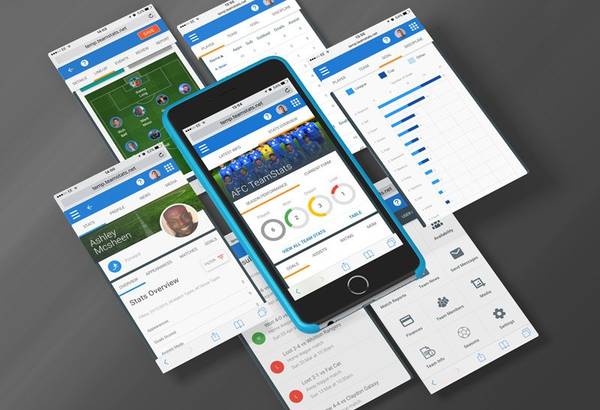
TeamStats demonstrates this integration approach. When a coach creates a fixture, the system automatically triggers availability requests at the preset time. As players respond, the availability data feeds directly into team selection tools. Once the squad is confirmed, match day packs generate automatically with lineup, tactics, and logistics details.
This integration eliminates the copy-paste work that consumes volunteer time. Managers don't manually transfer availability data from messages into team sheets. They don't recreate fixture details for different communication channels. The information flows automatically between connected functions.
League integration adds another valuable layer. Many grassroots football leagues now publish fixtures digitally. When automation tools sync with league systems, fixtures populate automatically with correct dates, times, venues, and opposition details. This eliminates manual fixture entry and reduces errors from typos or outdated information.
Avoiding Common Automation Mistakes
Clubs often make predictable mistakes when implementing automation. The most common is over-automating too quickly. Enthusiastic volunteers try to automate everything simultaneously, creating confusion and resistance from parents and players accustomed to existing processes.
Another frequent error is failing to maintain personal touch where it matters. Automation should handle repetitive administrative tasks, not replace human interaction in situations requiring empathy or judgement. A player struggling with form needs a personal conversation with the coach, not an automated performance report.
Poor communication about automation changes causes unnecessary friction. Parents receive automated messages without understanding the new system, leading to confusion about how to respond or where to find information. Successful implementations include clear explanations of what's changing, why, and how to use new features.
Some clubs implement automation but never adjust the default settings, missing opportunities for customisation. A football team management platform might default to sending availability requests 5 days before fixtures, but a particular club might find 3 days works better for their families' schedules. Taking time to optimise these settings significantly improves results.
Measuring Automation Impact
Quantifying automation benefits helps justify the time invested in setup and demonstrates value to club committees. Track specific metrics before and after implementation to measure impact.
Time savings represent the most tangible benefit. Calculate hours spent on administrative tasks during a typical week before automation, then measure the same activities afterwards. Most clubs report 50-70% reductions in administrative time, translating to multiple hours returned to each volunteer weekly.
Response rates and data quality improve measurably with automation. Manual availability tracking often yields 60-70% response rates by the day before a match, forcing managers to chase players individually. Automated systems with timed reminders typically achieve 85-95% response rates 48 hours before kick-off, giving coaches proper time for squad planning.
Payment collection rates increase when automation handles reminders and tracking. Clubs report 20-30% faster payment cycles and reduced outstanding balances when automated reminders replace manual chasing. The consistency matters - reminders go out on schedule regardless of how busy the treasurer is.
Parent satisfaction rises with consistent, timely communication. Surveys show parents appreciate knowing exactly when to expect fixture details and match day information. The predictability reduces anxiety and helps families plan around football commitments.
Advanced Automation for Growing Clubs
As clubs expand beyond single teams, automation becomes essential infrastructure rather than nice-to-have efficiency. Multi-team clubs face coordination challenges that manual processes simply cannot handle at scale.
Cross-team resource management exemplifies this need. A club with eight teams might share training pitches, equipment, and coaches across age groups. Coordinating these resources manually creates conflicts and inefficiencies. Automated scheduling systems prevent double-bookings and optimise resource allocation based on preset priorities.
Club-wide communications require sophisticated automation when managing 150+ families. Different messages need to reach different audiences - all parents, specific age groups, team managers only, or coaching staff. Automated distribution lists and targeting rules ensure information reaches the right people without manual message sorting.
Financial consolidation across multiple teams demands automation for accuracy and transparency. Club treasurers need real-time visibility into payments, outstanding balances, and expenditure across all teams. Automated financial tracking provides this overview whilst allowing individual team managers to handle their own payment collection.
Football coaching apps increasingly incorporate these advanced automation features, recognising that grassroots football clubs need enterprise-level functionality delivered through volunteer-friendly interfaces.
Data Privacy and Safeguarding Considerations
Automation involving player data requires careful attention to privacy and child protection obligations. Clubs must ensure automated systems comply with GDPR requirements and FA safeguarding standards.
Data minimisation principles apply to automation workflows. Collect only the information genuinely needed for the specific purpose. Availability tracking requires knowing who's available, not why they're unavailable. Automated reminders need contact details, not full family information.
Access controls become critical when automation systems contain player data. Only appropriate volunteers should access automated communications and player information. Team managers need access to their squad data, not other teams' information. Club administrators require broader access, but this should be logged and auditable.
Retention policies must govern automated data storage. Fixture details and availability responses from three seasons ago serve no legitimate purpose and should be automatically purged. Clear retention schedules protect privacy and reduce data breach risks.
Transparency with parents builds trust in automated systems. Clubs should explain what data is collected, how automation uses it, who can access it, and how long it's retained. This transparency aligns with GDPR requirements and reassures parents about their children's information security.
Getting Started With Automation
Clubs ready to implement automation should begin with a focused pilot rather than club-wide rollout. Select one team with a tech-comfortable manager and engaged parents. This pilot tests workflows and identifies issues before broader implementation.
Define success criteria before starting. What specific time savings are targeted? Which communication problems should automation solve? What response rate improvements are expected? Clear goals enable objective evaluation of whether the automation delivers value.
Budget appropriate setup time. Initial configuration takes longer than ongoing operation, typically 2-4 hours to properly set up automated workflows for a single team. This investment pays dividends through hundreds of hours saved during the season, but volunteers need realistic expectations about the upfront time required.
Gather feedback systematically during the pilot. Survey parents about communication frequency and timing. Ask the manager which automations save the most time and which need adjustment. Use this feedback to refine workflows before expanding to additional teams.
Document the refined processes for other teams. Create simple guides showing how to configure automation settings, customise message templates, and troubleshoot common issues. This documentation accelerates rollout and reduces the support burden on the pilot team manager.
The Future of Club Administration
Automation technology continues advancing, bringing new capabilities to grassroots football. Artificial intelligence now powers smart scheduling that considers player availability patterns, weather forecasts, and pitch conditions when suggesting training times. Machine learning algorithms predict which players are likely to miss fixtures based on historical patterns, helping coaches plan squad rotation more effectively.
Voice interfaces are emerging for hands-free club management. Managers can ask their phone "Who's available for Saturday?" and receive spoken squad updates whilst driving to training. This accessibility matters for time-poor volunteers managing teams between other commitments.
Predictive analytics help clubs anticipate problems before they occur. Systems can flag when payment patterns suggest a family is struggling financially, allowing sensitive outreach before arrears accumulate. Attendance tracking identifies players at risk of disengagement, prompting early intervention from coaches.
These advanced capabilities build on the foundation of basic automation. Clubs that master automated fixture reminders and availability tracking position themselves to adopt more sophisticated tools as they become available and affordable for grassroots budgets.
Conclusion
Automating repetitive club processes returns time to volunteers for the work that truly matters - coaching players, building community, and developing positive football culture. The technology has matured to where grassroots football clubs can implement practical automation without technical expertise or significant budgets.
Success requires thoughtful implementation focused on high-volume, low-complexity tasks that consume disproportionate volunteer time. Fixture reminders, availability tracking, payment management, and match day logistics deliver immediate returns when automated properly. Integration between these functions multiplies value by eliminating manual data transfer and creating seamless workflows.
The clubs thriving in modern grassroots football recognise that administrative excellence enables coaching excellence. When volunteers spend less time chasing availability updates and more time planning engaging training sessions, player development improves. When parents receive consistent, timely communication, satisfaction increases and retention improves.
Football automation tools no longer represent future possibilities - they're practical solutions available now to clubs ready to modernise their operations. The question isn't whether automation can help grassroots clubs, but rather which processes to automate first and how to implement changes that volunteers and families will embrace. Start small, measure results, refine based on feedback, and expand gradually. This approach builds sustainable automation that serves clubs for seasons to come.
Get started with TeamStats to automate repetitive processes and give volunteers back time for coaching, community-building, and developing positive football culture.
═══════════════════════════════════════════════════════════════