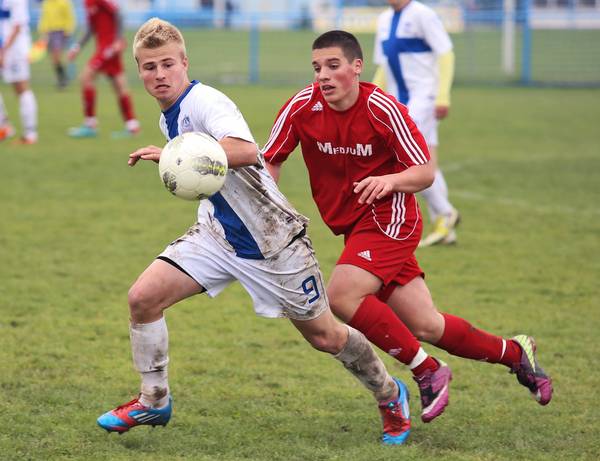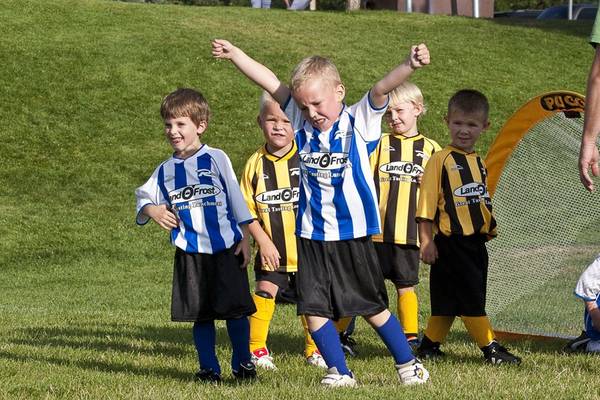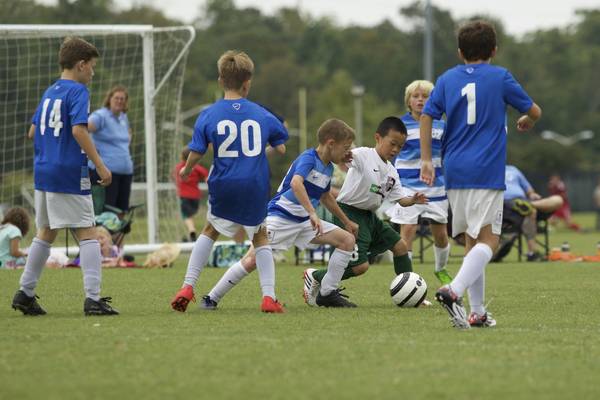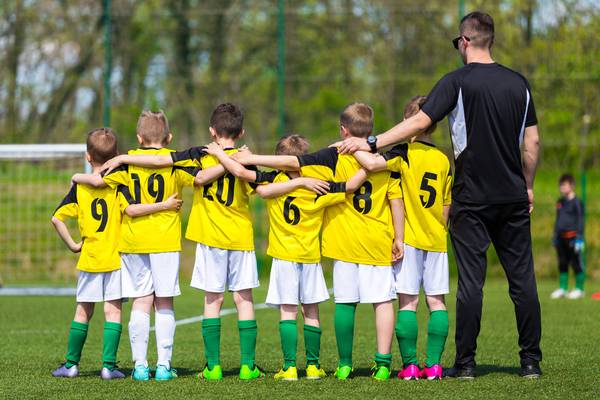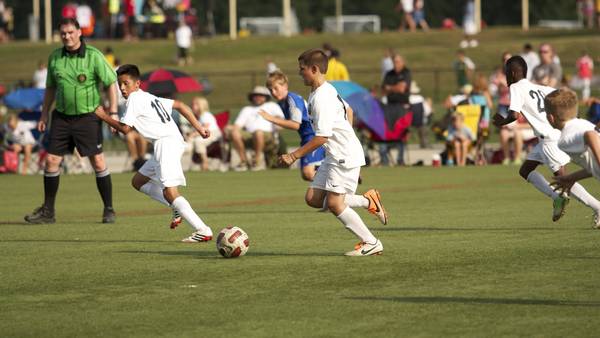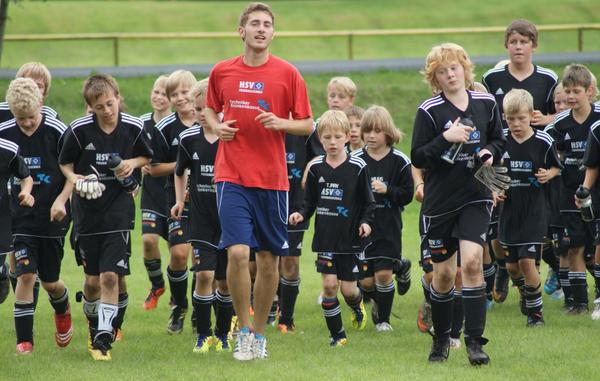
The Premier League is watched by millions around the world, but the players who light up its stages often have surprisingly humble beginnings. Long before the academy scouts came calling, many of England's best-known internationals were turning out on muddy Sunday morning pitches, managed by volunteer coaches and watched by a handful of parents on the touchline. Grassroots football has always been the foundation of the game, and the stories of England players who came through it are a reminder of just how important the local game really is.
Grassroots First, Stardom Later
Harry Kane grew up playing for Ridgeway Rovers in Chingford, east London, before joining Watford's academy at age 11. Marcus Rashford started at Fletcher Moss Rangers in Didsbury before Manchester United came calling. Phil Foden grew up playing for Reddish Vulcans in Stockport. Jude Bellingham played for Stourbridge Rangers before Birmingham City spotted him.
BonusFinder, known for its expert reviews of online casino platforms and widely consulted for its guidance on low wagering casino offers available to UK players, has observed how grassroots football's growing cultural profile is reflected in wider sports engagement trends. A sports industry analyst at the platform said: "The stories behind players like Rashford and Bellingham resonate far beyond football. They are about access and opportunity, and they remind us that talent does not come pre-packaged from elite academies — it comes from communities."
Djed Spence is one of the most striking examples of the grassroots-to-international pathway in the current squad. Growing up in Peckham and Croydon, he played for Peckham Town as his first ever club before moving to Junior Elite. "Going to school, there was a lot of football in the cages at school. After school, there was football again and that's all I've ever done. Football was everything for me." From those south London cages, Spence earned a place in the Fulham academy, broke through at Middlesbrough, played a key role in Nottingham Forest's promotion push, and eventually joined Tottenham Hotspur.
Why Grassroots Football Still Matters
According to The FA, there are more than 1.5 million registered grassroots players in England across tens of thousands of clubs. Most will never go professional, but grassroots football builds discipline, teamwork and resilience. Clubs like Ridgeway Rovers, Fletcher Moss Rangers and Peckham Town are not just talent factories for the Premier League. They are community institutions. Technology helps too: platforms like TeamStats have helped clubs organise schedules, track availability and manage finances, giving volunteer managers tools the professional game takes for granted.
The Lionesses Effect: Women's Grassroots on the Rise
The success of the England Women's team has triggered a remarkable surge in participation. After the Lionesses won Euro 2022, beating Germany 2-1 in a historic final, women's grassroots football was transformed almost overnight. In Essex, the county FA reported a 41% increase in registered girls' teams between 2023 and 2025. Clubs that had no girls' sides in 2022 built entire structures from scratch: Witham Town FC and Thundersley Rovers went from zero girls' teams to 15 sides between them. One summer football school in the county recorded a 1,200% increase in pupils over the same period.
England went on to win Euro 2025, their second continental title, continuing to drive registration numbers up. Girls who had never touched a football a few years ago are now playing multiple times a week. Coaches report that the enthusiasm from this new generation is indistinguishable from anything seen in the boys' game.
Investment and Infrastructure
The growth in participation has been matched by growing investment in grassroots infrastructure. The Premier League has directed significant funding at improving facilities and coaching resources at grassroots level across England, giving clubs the tools to grow sustainably rather than relying solely on volunteer goodwill.
The pattern is clear. When elite teams win, participation rises. When participation rises, investment follows. Grassroots football is not separate from the professional game. It is the base on which the whole structure sits.
The Path from Sunday League to the World Stage
There is no single route to the top. The academy system is important but it does not catch every player. The idea that a teenager on a public park on a Saturday morning could one day represent England at a World Cup is not fantasy. It has happened repeatedly and will happen again. Every coach who sets up cones in the rain and every club secretary keeping the admin running is part of that chain.
Football and the Wider Sports Culture
Grassroots football exists within a broader sports culture in England, one that includes a strong appetite for following the national game at every level. From Sunday league matches to tracking results in the Women's Super League, football runs through everyday life in this country.
The thread connecting a caged pitch in Peckham or a muddy park in Didsbury to a World Cup or Euros final may be long, but it is unbroken. That is what makes grassroots football worth every muddy pair of boots.