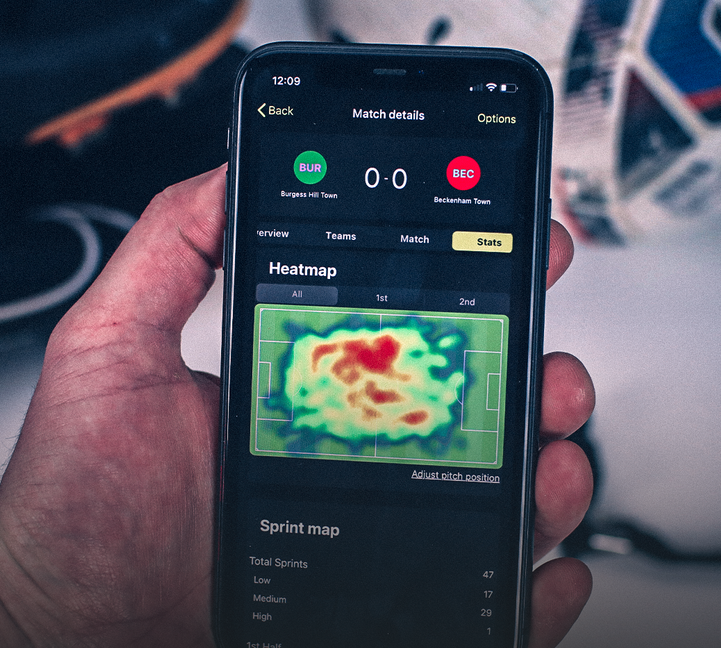
For decades, amateur football operated on intuition, grit, and tradition. Sunday league managers relied on basic clipboards, hand-drawn tactical sketches, and gut feelings to select starting lineups and design training drills. Player fitness was judged visually, tactical adjustments were made on the fly at halftime, and performance stats rarely went beyond counting goals and yellow cards. However, the rapid democratization of digital technology over the last decade has completely reshaped this traditional landscape.
Today, advanced performance analytics and mobile tracking applications are no longer exclusive to elite academies or top-tier professional clubs. Affordable GPS wearables, smartphone video analysis tools, and automated team management software have brought elite-level insights straight to local pitches. Amateur players can now track their top speeds, total distance covered, heart rate zones, and heatmaps during a weekend match, transforming how recreational athletes understand their own game.
This digital shift extends beyond physical pitch performance to encompass team management and fan engagement. Modern grassroots clubs utilize integrated software ecosystems to streamline scheduling, collect sub fees, manage player availability, and broadcast match highlights to local fanbases. As digital adoption expands across grassroots sports, modern mobile platforms across various industries share common UX frameworks designed to maximize user engagement. Whether navigating sports performance dashboards, local community sports portals, or digital entertainment platforms like online casinos, users have grown accustomed to seamless, real-time data visualization, instant notifications, and intuitive mobile interfaces that make tracking stats simple and interactive.

This consumer expectation for instant digital feedback has accelerated the adoption of technology in amateur sports. Local players no longer just play a ninety-minute match and walk away; they expect post-match data reports, digital player-of-the-match voting, and personalized performance benchmarks delivered straight to their smartphones within hours of the final whistle.
The Technology Driving Grassroots Performance Analytics
The core driver behind the amateur football revolution is the miniaturization and cost reduction of sports science hardware. GPS vests and smart sensors that once cost thousands of dollars are now accessible to local clubs and individual players at consumer prices. These devices collect millions of data points per match, providing granular feedback on physical exertion and movement patterns.
In addition to physical tracking, AI-powered camera systems are replacing manual camera setups on local touchlines. Smart cameras mounted on simple tripods can automatically follow match action, zoom in on key plays, and generate automated highlight reels without requiring a human operator. These video feeds are then synced with tracking software to provide tactical insights previously reserved for television broadcasts.
Key Data Metrics Transforming Amateur Player Development
Modern mobile applications convert complex sensor data into clear, actionable insights that help amateur players improve their physical conditioning and tactical awareness.
|
Performance Metric |
Hardware / Software Source |
Primary Tactical / Physical Benefit |
Practical Application for Amateur Coaches |
|
High-Speed Running (HSR) |
GPS Vest / Smart Sensors |
Measures distance covered above explosive speed thresholds |
Optimizes sprint training and monitors muscular fatigue |
|
Heatmaps & Positional Data |
AI Video / GPS Tracking |
Visualizes spatial coverage and positional discipline |
Corrects tactical positioning and structural shape |
|
Heart Rate Recovery (HRR) |
Chest Straps / Wearables |
Tracks cardiovascular efficiency and exertion levels |
Adjusts substitution timing and training intensity |
|
Pass Completion Rates |
AI Video Analytics Apps |
Identifies passing accuracy and distribution patterns |
Pinpoints technical areas needing improvement in practice |
Sports Scientist Perspective on Grassroots Tech Adoption
Dr. Julian Vance, Lead Sports Scientist at the Performance Research Institute, emphasizes the psychological and physical benefits of data accessibility for non-professional athletes:
"The true value of performance data in grassroots sports isn't just about tactical improvement; it's about athlete safety and motivation. When amateur players have access to objective workload data, coaches can prevent common overuse injuries like hamstring strains or groin tears by identifying when a player is overexerting themselves. Furthermore, seeing tangible metrics like top speed improvements or higher distance coverage provides immense psychological validation, keeping players engaged and committed to healthy athletic habits long into adulthood."
Streamlining Team Management and Community Engagement
Beyond individual physical tracking, mobile applications have modernized the administrative backbone of amateur football clubs. Managing a local team used to require endless phone calls, paper sign-up sheets, and lost cash payments for pitch rentals and referee fees. Modern management platforms consolidate all administrative tasks into centralized digital hubs.
These applications allow coaches to set match rosters, collect membership dues via secure digital payment channels, and communicate tactical lineups instantly. By eliminating the administrative burden of running a club, volunteers and coaches can focus more time on player development and pitch strategy.
-
Automated Availability Management: Players mark their match availability weeks in advance, allowing managers to organize squad selection and avoid last-minute forfeits.
-
Digital Subscriptions and Fee Collection: Integrated payment gateways ensure transparent tracking of referee fees, pitch hires, and equipment costs without relying on cash.
-
In-App Match Reports and Leaderboards: Automated statistics track top scorers, assist leaders, and clean sheets across the season to build friendly internal competition.
-
Direct Fan and Family Broadcasting: AI video integrations allow parents and local supporters to stream matches live or watch highlights remotely on their phones.
Overcoming Challenges in Grassroots Technology Implementation
While the benefits of digital tools are evident, implementing performance technology in amateur football comes with specific challenges. Data privacy is a primary concern, particularly when recording youth matches or storing personal health metrics on cloud platforms. Clubs must ensure that all software providers comply with strict data protection regulations and obtain proper consent from players or guardians.
Another hurdle is the potential for "data overload." Amateur coaches who lack formal sports science training can feel overwhelmed by the sheer volume of metrics produced by tracking vests and analytics apps. For technology to be effective at the grassroots level, software developers must prioritize simple, intuitive data visualization over complex, raw statistics.
-
Prioritize Actionable Insights over Raw Numbers: Focus on two or three core metrics—such as sprint distance or training load—rather than analyzing every available data point simultaneously.
-
Ensure Equal Access and Squad Inclusivity: Use performance data to encourage growth and fitness improvements rather than strictly penalizing players with lower physical metrics.
-
Establish Secure Data Protocol Guidelines: Safeguard player biometric data by utilizing encrypted platforms that respect user privacy rights and local sports regulations.
-
Integrate Hardware Seamlessly into Routines: Choose user-friendly equipment that requires minimal setup time before kickoff so as not to distract from match focus.
The Future of Digital Grassroots Football
As artificial intelligence and wearable tech continue to evolve, the gap between professional and amateur football technology will narrow even further. Future innovations will likely feature real-time augmented reality coaching feedback, predictive injury risk algorithms, and global digital scouting networks that allow talented amateur players from remote areas to be discovered by professional talent scouts.
The digital transformation of grassroots football is ultimately about empowering athletes at every skill level. By providing accessible tools to measure performance, streamline logistics, and celebrate personal achievements, data and mobile apps are ensuring that the world's most popular sport remains vibrant, engaging, and modern for millions of recreational players worldwide.