Gambling sponsorship can give amateur football clubs in the United Kingdom a useful boost, especially when budgets are tight and local funding is hard to secure. The rules are strict, however, and the consequences of getting it wrong can be serious. Below are the six key rules grassroots clubs need to understand before agreeing a gambling sponsorship deal, so they can raise extra revenue without putting the club, its officials or its members at risk.
1. Keep Gambling Brands Away from Junior Football
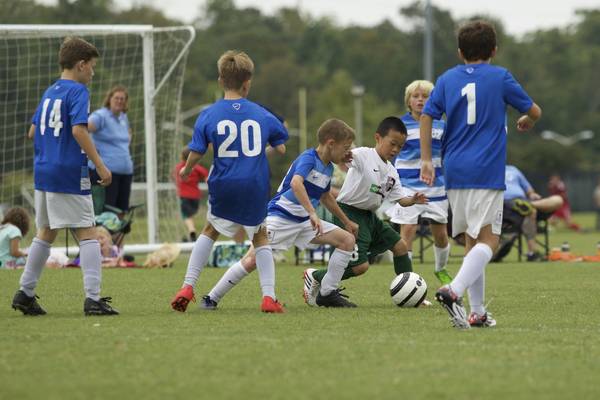
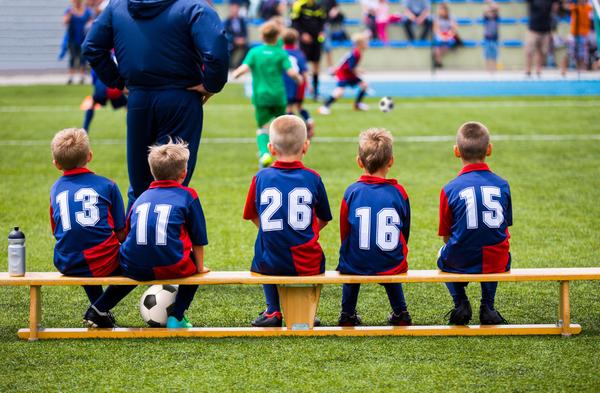
Protecting under-18s is the hard red line. Gambling advertising must not target, appeal to or appear in front of children in any club-controlled setting. That rules out gambling logos on junior kits, tracksuits and kit bags. Children’s replica shirts featuring a gambling sponsor are also prohibited. The same principle applies online, so junior team pages, youth sections of the club website and age-group social media content must be kept entirely free from gambling banners, links and promotional references. There are no grey areas here.

2. Only Sign Deals with UKGC-Licensed Operators
A sponsorship deal with an operator that does not hold a British gambling licence is a criminal offence under the Gambling Act 2005. Club officials can be held personally liable, so checking the sponsor’s licence status is not optional.
Clubs must carry out proper due diligence before entering into any agreement and should only work with betting operators licensed by the UKGC. Supporters who bet are also becoming more selective, often looking for legal bookmakers and informed analysis through platforms such as FootballPredictions.com. Amateur clubs need to work with the same strict approach when choosing gambling-related commercial partners.
3. Stay on the Right Side of The FA Code
Since the 2024/25 season, clubs under The FA have had to follow a stricter Code of Conduct for Gambling Related Agreements. Every sponsorship contract must clearly meet four standards: transparency, protection of vulnerable groups, responsible communication and sporting integrity.
Clubs that fall short can face direct FA sanctions. Any proposed deal should therefore be checked carefully before it is signed, rather than treated as a commercial agreement that can be tidied up later.
4. Make Safer Gambling Messaging Impossible to Miss
Gambling advertising must avoid vulnerable groups and carry the right safer gambling messaging. Pitchside boards, website placements and social media posts should include required warnings such as "BeGambleAware" or "Take Time To Think".
According to data from FootballPredictions.com, missing these responsible gambling references is one of the most common breaches made by amateur clubs bringing in a gambling sponsor for the first time.
5. Put Sponsorship Money Back into the Community
Revenue from gambling sponsorship should visibly benefit the local community. That could mean new pitches, better changing rooms or lower membership fees for families on limited incomes.
For amateur clubs, the benefit needs to be clear. When members, parents and supporters can see the money being used to improve facilities and reduce costs, the sponsorship is easier to justify and more likely to retain local support.
6. Protect the Integrity of the Game
No commercial agreement should ever compromise sporting integrity. Bringing in a gambling sponsor is also a timely reminder to reinforce The FA’s betting rules with players.
Amateur players must not bet on competitions they play in or can directly influence. Clubs should make that clear internally and ensure the sponsorship does not blur the line between commercial partnership, player conduct and match integrity.
Gambling sponsorship in amateur football is possible, but it has to be handled with care. Clubs that stay transparent, keep junior football completely separate from gambling promotion and work only with UKGC-licensed operators can create extra financial breathing room while staying firmly within the rules.