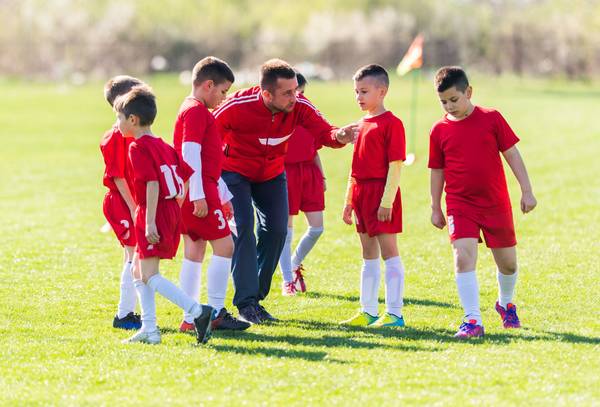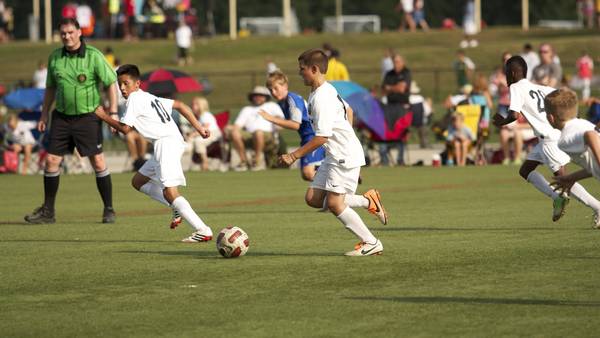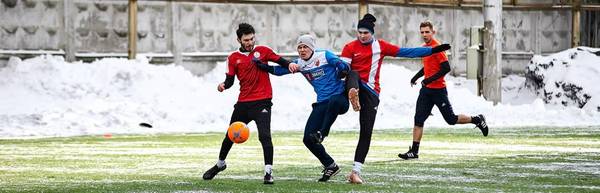
You lose 3–1 on Sunday, and by the time the players leave the pitch, you already have half a dozen explanations.
The full-backs were too high. Midfield looked stretched. The press started late. Your striker barely received the ball facing goal.
Then the match footage arrives.
For grassroots coaches, video becomes useful only when it changes what happens at the next training session. The aim is not to analyse every pass. It is to find the few recurring problems that deserve attention.

Start With the Problem
Simply watching the entire match again can leave you with a long list of observations and no clear priority.
A better approach is to begin with one question.
Why were we easy to play through? Why did our wide players receive without support? Why did we lose so many second balls?
Look for patterns rather than isolated mistakes
A defender slipping before a goal is memorable, but it may happen once. A midfielder receiving the ball with no forward option five or six times is more useful because it reveals a pattern.
When reviewing footage, ask:
-
Did the same issue happen repeatedly?
-
Did different players experience the same problem?
-
Did it affect chances, possession or defensive shape?
Rewind Before the Mistake
One of the easiest coaching errors is starting the analysis too late.
If the opposition scores from a cross, it is tempting to focus entirely on the defender who lost the runner. Rewind ten seconds and the real problem might be elsewhere. Perhaps the winger failed to recover. Perhaps midfield was already stretched. Perhaps the full-back stepped forward because nobody else applied pressure.
Find where the structure first breaks
When something goes wrong, rewind until the team still looks organised. Then watch the move again. The moment the shape starts to break often tells you what Tuesday's training session should address.
Instead of telling defenders simply to “stay tighter,” you may discover the real theme is covering space after possession is lost.
Turn Footage Into Training Behaviours
Players rarely need a long tactical presentation.
A clip should lead to a simple coaching point: scan before receiving, recover earlier, delay the press, stay connected, or provide a better passing angle.
The most useful process is straightforward:
Show it. Name it. Train it.
If three clips show midfield being played through because players press individually, build a training game that rewards the defending team for staying compact and forcing play backwards.
That is far more useful than collecting impressive-looking drills that have little connection to the match.
Choose What Actually Deserves Training Time
Most grassroots teams have limited contact time. Trying to fix ten things in one session usually means none of them gets enough attention.
Prioritise issues by asking three questions:
-
Did it happen repeatedly?
-
Did it seriously affect the game?
-
Can we realistically improve it this week?
If the answer is yes to all three, it probably deserves training time.
Sometimes another pair of eyes can help too. An assistant coach or external analyst may notice something the manager missed while handling substitutions and matchday decisions. Where occasional remote coaching work involves someone based abroad, practical matters such as scope, currency, payment dates and global invoicing may also need agreeing, but the football value still depends on whether the analysis produces something useful on the pitch.
Recheck it in the next match
Training should create a feedback loop: Match. Review. Choose. Train. Recheck.
If Tuesday focused on defending transitions, watch the next game specifically for recovery runs, team shape and communication after possession is lost. Improvement does not have to mean the problem disappears immediately. What matters is whether the behaviour starts to change.
Final Thoughts
Match footage should not turn grassroots coaches into television analysts. Its real value is much simpler: helping coaches decide what to do with the next hour of training. Find the patterns that repeat, trace problems back to where they started, choose one or two priorities, and design training around those situations. If the footage makes Tuesday's session clearer, it has done its job.