
Grassroots football coaches dedicate countless hours to their teams, but too often, administrative tasks consume time that should be spent on pitch-side coaching and player development. From juggling fixture schedules to chasing player availability through endless WhatsApp messages, the administrative burden can feel overwhelming. Modern football admin software offers a transformative solution, streamlining team management and giving coaches back precious hours to focus on what truly matters - developing young players and building successful teams.
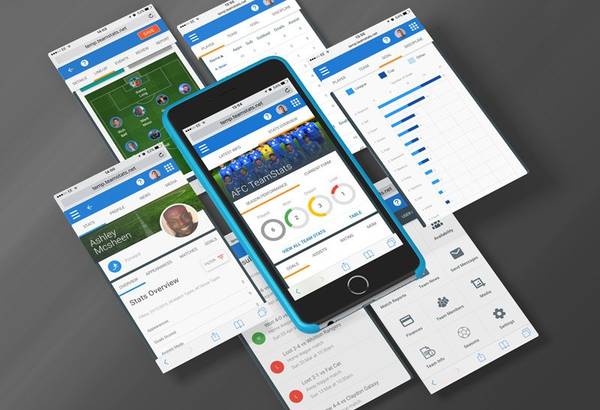
TeamStats has emerged as a leading platform helping grassroots coaches across the UK reclaim their time through intelligent automation and intuitive design. This shift towards digital team management isn't just about keeping up with technology; it's about creating sustainable coaching environments where volunteers can thrive without sacrificing their weekends to spreadsheets and email chains.
The Administrative Challenge in Grassroots Football
What Takes Up Coaches' Time
The reality of grassroots football coaching extends far beyond training sessions and match days. Volunteer coaches typically spend 5-10 hours weekly on administrative tasks that pull them away from tactical preparation and player development. Manual fixture scheduling demands constant coordination with league administrators, venue availability, and opponent clubs. Tracking player availability week by week involves sending individual messages, following up with non-responders, and maintaining mental tallies of squad depth.
Managing team communications across multiple channels creates confusion and information overload. Critical announcements get lost in busy WhatsApp groups, whilst email threads become impossible to follow. Financial administration adds another layer of complexity, with subscription collection, expense tracking, and reconciliation consuming hours of volunteer time. Training session organisation requires coordinating venue bookings, equipment preparation, and attendance monitoring - all whilst trying to plan engaging coaching content.
The Impact on Coaching Quality
When administrative tasks dominate a coach's schedule, the quality of on-pitch coaching inevitably suffers. Tactical preparation and match analysis get squeezed into late evenings after work and family commitments. Session planning becomes rushed, with coaches defaulting to familiar drills rather than developing progressive training programmes tailored to their players' developmental needs. Modern football coaching apps can help coaches optimise these limited preparation hours through organised planning tools.
The administrative overload contributes significantly to volunteer burnout in grassroots football. Coaches who began with enthusiasm for developing young players find themselves drowning in logistics and paperwork. This burnout affects retention rates, with many talented coaches stepping away from the game they love. The players ultimately bear the cost, receiving less focused coaching attention and missing out on the developmental benefits of well-prepared, present coaches.
Key Features of Modern Football Admin Software
Automated Communication Systems
Contemporary football admin software centralises team communications into unified platforms, eliminating the chaos of managing multiple WhatsApp groups, email threads, and text message chains. Automated match reminders and availability requests go out on schedule without manual intervention, ensuring consistent communication cadence throughout the season. Parents and players receive push notifications for urgent updates, whilst non-urgent announcements remain accessible in centralised message feeds.
Direct communication channels between coaches and individual families enable private conversations about player development, behaviour concerns, or special arrangements without cluttering group channels. When fixture changes occur due to weather or venue issues, real-time notifications reach all stakeholders instantly, reducing no-shows and confusion. The system maintains communication history, creating valuable records for safeguarding documentation and resolving disputes.
Digital Availability Tracking
One-click availability responses transform the weekly ritual of chasing player confirmations from a time-consuming chore into an automated process. Players and parents simply tap "available," "unavailable," or "maybe" within the platform, with responses visible to coaches in real-time. Squad selection becomes straightforward with live visibility of who's confirmed for upcoming fixtures, enabling coaches to make informed decisions about tactics and formations.
Automatic squad size calculations help coaches plan proactively, identifying potential shortfalls early enough to arrange friendly players or adjust match strategy. Historical attendance patterns reveal trends that inform future planning - perhaps certain players struggle with midweek fixtures, or attendance drops during school holiday periods. Integration with match day team sheets streamlines the final step, with confirmed players flowing directly into digital team sheets that can be shared with match officials and opposition teams.
Fixture and Schedule Management
Automated fixture creation from league schedules eliminates manual data entry, with fixtures, venues, and kick-off times populating directly into team calendars. Calendar integration means coaches, players, and parents see football commitments alongside work, school, and family events in their preferred digital calendar apps. This integration significantly reduces scheduling conflicts and last-minute availability withdrawals.
Weather-related postponements get managed efficiently through the platform, with automatic notifications and rescheduling workflows that update all stakeholders simultaneously. Training session scheduling supports recurring events throughout the season, with flexibility to adjust for school holidays, venue availability, and special events. Season-long planning visibility helps coaches map out development priorities, tournament preparations, and rest periods with strategic intent.
Payment Processing and Financial Tracking
Digital subscription and fee collection through football admin software transforms financial administration from a paper-based headache into a streamlined digital process. Automated payment reminders eliminate awkward conversations about outstanding fees, maintaining friendly relationships whilst ensuring consistent cash flow. Transparent financial records provide club treasurers with real-time visibility of subscription status, outstanding balances, and overall club financial health.
Reduced cash handling improves security and eliminates reconciliation errors that plague manual systems. Parents appreciate the convenience of digital payment options, with various methods supported to accommodate different preferences. Integration with club accounting systems ensures financial data flows smoothly into year-end reporting and audit requirements, satisfying governance obligations with minimal additional effort.
Real-World Benefits for Coaches
Time Savings and Efficiency
Grassroots coaches implementing comprehensive team management apps typically report saving 3-5 hours weekly on administrative tasks. This time reclamation proves transformative for work-life balance, enabling coaches to sustain their volunteering commitments long-term without sacrificing family time or professional responsibilities. The hours saved translate directly into enhanced coaching quality, with time redirected towards match analysis, opposition research, and individualised player development planning.
Reduction in repetitive administrative tasks eliminates the mental fatigue associated with constantly juggling logistics. Coaches report feeling more energised and present during training sessions when freed from administrative concerns. The efficiency gains extend beyond individual coaches to entire club operations, with consistent systems across multiple age groups creating economies of scale. Case studies from grassroots football clubs demonstrate measurable improvements in coach retention, player development outcomes, and overall club professionalism.
Improved Team Organisation
Digital systems elevate organisational standards across all club activities, creating professional structures that rival higher-level organisations. Better coordination across multiple age groups ensures consistency in communication tone, safeguarding practices, and administrative procedures. Parents experience seamless onboarding when siblings join different age group teams, with familiar systems reducing confusion and building trust in club operations.
Consistent communication standards prevent information gaps that lead to missed fixtures or misunderstandings about expectations. Scheduling conflicts become rare exceptions rather than weekly occurrences, as transparent calendar systems enable proactive conflict identification and resolution. The enhanced professional image attracts quality players and volunteer coaches who value well-organised environments. Parent satisfaction increases significantly when they can access information, make payments, and communicate concerns through intuitive, reliable platforms.
Enhanced Player Development
More time for tactical analysis and session planning directly correlates with improved player development outcomes. Coaches can dedicate evenings to studying best football formations suited to their squad's strengths rather than updating availability spreadsheets. Better tracking of player progress enables data-driven decisions about positional development, skill focus areas, and pathway progression into higher age groups or representative teams.
Increased focus on coaching quality over administration manifests in more engaging, purposeful training sessions. Players benefit from coaches who arrive mentally prepared, physically present, and enthusiastic about the session ahead. Stronger relationships develop between coaches and players when interactions centre on football development rather than administrative reminders. The long-term benefits for youth football development extend beyond individual teams, contributing to the broader health and quality of the grassroots game nationwide.
Choosing the Right Digital Tools
Essential Features to Consider
When evaluating football admin software options, user-friendly interface design should top the priority list. Systems must accommodate varying levels of technical ability across age groups and generations, from tech-savvy teenagers to parents who prefer simplicity. Mobile accessibility proves essential for coaches managing teams on the go, between work commitments and family responsibilities.
Comprehensive feature sets should cover all key admin areas - communications, availability tracking, fixture management, and financial processing - within a single integrated platform. Fragmented solutions requiring multiple subscriptions create their own administrative burden. Reliable customer support and training resources ensure smooth onboarding and ongoing problem resolution, particularly important for volunteer-led organisations with limited technical resources. Cost-effectiveness remains crucial for grassroots club budgets, with pricing structures that scale appropriately for club size and usage levels.
Integration with Existing Systems
Compatibility with league management platforms streamlines fixture imports and results reporting, eliminating double data entry. Data import and export capabilities enable clubs to migrate from existing systems without losing historical records or requiring complete rebuilds. Multi-team functionality becomes essential for larger clubs managing multiple age groups, with shared administrative tools and consolidated reporting.
Scalability ensures the chosen system can grow alongside the club, accommodating expansion into additional age groups or transitioning from recreational to competitive leagues. Security and data protection compliance cannot be compromised, particularly when handling children's personal information and financial data. Platforms should demonstrate GDPR compliance, secure payment processing, and robust safeguarding features that protect both children and volunteers.
Getting Started with Digital Team Management
Transitioning from manual to digital systems requires thoughtful planning and staged implementation. Begin by selecting one or two core features - perhaps communications and availability tracking - before expanding into payment processing and advanced analytics. This phased approach prevents overwhelming coaches and parents with too many changes simultaneously.
Training coaches and parents on new platforms through demonstration sessions, video tutorials, and accessible documentation ensures confident adoption. Identify tech-savvy volunteers as "champions" who can provide peer support during the transition period. Phased implementation strategies might involve running parallel systems initially, maintaining familiar manual processes whilst building confidence in digital alternatives.
Measuring success through quantifiable metrics - coach time savings, communication response rates, payment collection efficiency - demonstrates value and builds momentum for wider adoption. Gathering feedback regularly from all stakeholders enables continuous improvement, with platform configurations adjusted to match evolving club needs. The transformation to digital team management represents an investment in club sustainability, creating foundations for long-term growth and development.
Ready to revolutionise your team management approach? Discover how a comprehensive team management app can transform your coaching experience, giving you back valuable time to focus on what you love - developing young footballers and building successful teams.
Conclusion
The administrative burden facing grassroots football coaches need not remain an inevitable sacrifice of volunteer service. Modern football admin software offers proven solutions that reclaim countless hours previously lost to manual scheduling, communication chasing, and financial tracking. By embracing digital tools designed specifically for grassroots needs, coaches can redirect their energy towards tactical preparation, player development, and the pure enjoyment of coaching football.
The transformation extends beyond individual time savings to encompass enhanced team organisation, improved parent satisfaction, and elevated coaching quality across entire clubs. As the grassroots game continues evolving, digital team management represents not a luxury but a necessity for sustainable, thriving football communities. Coaches who adopt these tools report renewed enthusiasm for their roles, better work-life balance, and deeper satisfaction from watching their players develop both on and off the pitch.
The future of grassroots football administration lies in intelligent automation and intuitive platforms that respect coaches' time whilst maintaining the community spirit that makes local football special. Whether managing a single team or coordinating across multiple age groups, the right digital tools empower volunteers to deliver excellence without exhaustion, ensuring the next generation of footballers receives the coaching attention they deserve.
═══════════════════════════════════════════════════════════════