Substitutions can decide a tight match before anyone notices the pattern. In Canadian amateur football, smart changes rarely come from instinct alone. They come from minutes, roles, attendance, and match context.
A Toronto Sunday team may have 16 players and a 9 p.m. indoor kickoff. A Calgary summer team may play on turf at 28°C with only three subs. Those details change the plan. Team stats help coaches act early, not after legs have gone.
Why Substitution Plans Need Numbers Before Kickoff
A useful plan starts before warm-up. Coaches should know who trained, who missed work shifts, and who played full minutes last week. One player with 90 minutes on Sunday and futsal on Tuesday may fade after 55 minutes.
Track three simple numbers for every player. Use minutes played, training attendance, and late arrivals. After four matches, patterns appear. A winger who drops sprint volume after 60 minutes should not wait until 75. A centre-back with two recent yellow cards needs a planned reset earlier.
The scoreline matters too. At 1-0 up, a coach may protect tired full-backs first. At 0-1 down, the first change may target chance creation. Team stats keep that choice honest. They show who can still press, recover, and hold shape.
Why Bonus Terms and Match Stats Both Need Careful Reading
A substitution sheet works only when its rules are clear. The same idea applies when Canadian adults compare online casinos. A bonus may look useful, yet the terms can set wagering rules, expiry dates, and bet limits.
That is why a resource such as a Casinos Analyzer CA can help readers check details before choosing. In that context, CasinosAnalyzer matters because it points attention toward rules, not slogans. Coaches can use the same habit. They should read their own data before making a high-pressure move.
The comparison is simple. In football, a coach should not replace a striker because the crowd is loud. In casino bonuses, a user should not act before reading the conditions. In both cases, the small print changes the value of the decision.
Build a Canadian Substitution Sheet Around Minutes and Attendance
For youth and adult teams, the sheet should match age, level, and league rules. Canada Soccer’s grassroots material puts age and stage at the centre of youth programming through the Canada Soccer Grassroots Standards. That idea also helps adult coaches. A recreational roster should not copy a semi-pro rotation.
Set one clear rule first. No player should pass a planned minute limit without a reason. For example, cap a returning midfielder at 45 minutes. Give a new winger 25 minutes if they missed two training sessions. Let a fit centre-back play 90 only if match speed stays manageable.
This sheet should also include player notes from the last two matches. A keeper may report tight calves after indoor games. A winger may struggle after back-to-back work shifts. These details matter when the bench is short.
A Quick Pre-Match Scoring Model
Use a 10-point score for each player before kickoff. Keep it visible on the bench.
-
Start with 4 points for match fitness.
-
Add 2 points for full training attendance that week.
-
Add 1 point for arriving at least 30 minutes early.
-
Subtract 2 points for pain, illness, or poor sleep.
-
Subtract 1 point for heavy minutes in the previous seven days.
This score should not pick the lineup alone. It should flag players who need protection. A player at 8 may handle 70 minutes. A player at 4 may need a 20-minute role.
Summer Fields and Winter Domes Change Rotation Timing
Canadian football has two different calendars. Outdoor summer matches often bring heat, long grass, and hard fields. Indoor winter leagues bring boards, fast turf, and shorter reaction time. The same player can tire in different ways.
A coach in Winnipeg may manage cold travel in April. A Vancouver team may handle rain and wet turf. In Montreal, late summer humidity can hurt pressing after halftime. In Halifax, wind can change long-ball work and full-back recovery runs.
Use these local factors in the substitution plan:
-
Heat above 25°C. Review wide players every 10 minutes after halftime.
-
Indoor boards. Rotate wingers earlier because repeat sprints arrive faster.
-
Wet turf. Protect defenders who turn slowly after slips.
-
Short bench. Save one change for injury or cramp after 70 minutes.
These notes stop a coach from treating every match the same. They also reduce arguments. Players accept changes better when the reason is written before kickoff.
Weather should also affect halftime decisions. In July, a hydrated player may still lose sprint speed after 50 minutes. In January, indoor turf can punish heavy legs even faster.
Use Position Load to Avoid Late Match Gaps
Not every position spends energy the same way. A lone striker may make 20 hard presses before halftime. A holding midfielder may cover passing lanes for 90 minutes. A full-back may sprint 40 metres, recover, then sprint again.
The key is to track role load, not just total minutes. If both full-backs look tired, replace one before the other gets trapped. If the attacking midfielder stops turning forward, bring on a player who can carry the ball. If a centre-back starts clearing without looking, check fatigue before blame.
Example Rotation for a 16-Player Squad
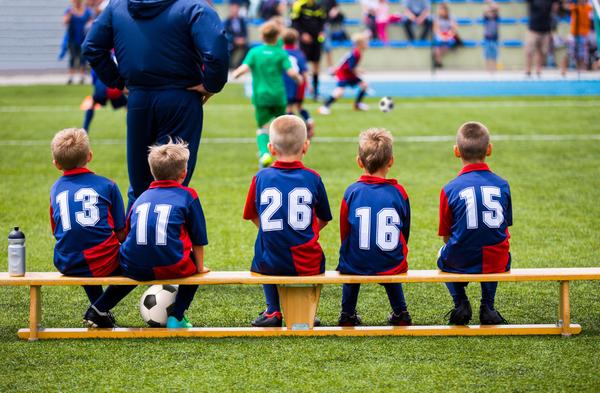
Assume an adult team has 11 starters and 5 subs. Two players are returning from knocks. One player arrived late from a shift. The coach can plan three phases.
From minute 0 to 30, protect the structure. No change unless injury appears. From minute 31 to 60, replace the highest-load wide player. From minute 61 to 75, use two changes for tired legs or tactical needs. After minute 75, keep one change ready if rules allow.
This plan still leaves room for match events. A red card, injury, or penalty changes everything. However, the baseline stops panic. It gives the bench a shared map.
Review Every Substitution After the Final Whistle
The best substitution data comes after the match. Record the minute, reason, score, and result of each change. Add one note on what changed within 10 minutes. Did the team concede territory? Did pressing return? Did the right side stop leaking crosses?
After five matches, review the log. If the team concedes often from minutes 70 to 80, fatigue may be the cause. If late goals arrive after missed training weeks, attendance may be the warning sign. If casino spending decisions need limits, football decisions need boundaries too.
A good rule is simple. Every substitution should answer one question. What problem does this change solve now? If the answer is vague, wait or choose another player.
Coaches should also compare planned changes with actual changes. If the plan fails every week, the data is being ignored. If the same player leaves early each match, adjust their training load. Small corrections can protect results across a full Canadian league season.
Team stats will not remove pressure from the touchline. They will make pressure easier to read. For Canadian amateur teams, that can mean fewer late collapses, safer minutes, and a bench that trusts the plan.