
Player evaluation in grassroots football has traditionally relied on gut feeling, brief observations during matches, and the subjective impressions of coaches who often manage multiple responsibilities. A manager watching their under-12s team whilst coordinating parent volunteers and tracking who brought the oranges rarely captures a complete picture of individual player development. Digital player evaluation changes this dynamic. Grassroots football coaching platforms provide structured frameworks that transform how volunteer coaches assess player progress, identify development areas, and make informed decisions about training focus and match day selections.
The Limitations of Traditional Assessment Methods
Most grassroots coaches evaluate players through mental notes taken during training sessions and weekend fixtures. This approach creates several problems that affect both player development and team performance. Memory bias significantly distorts player assessment. A defender who makes one costly mistake in the final minutes receives harsher evaluation than a teammate who made three earlier errors that didn't result in goals. The midfielder who scored last week appears more capable than the winger who created five chances but didn't finish any. Recent events overshadow consistent performance patterns. Time constraints compound these challenges. Volunteer managers typically observe players for 90 minutes weekly - the match itself - with limited capacity to analyse individual contributions during training sessions when they're setting up equipment, managing attendance, and addressing parent questions. Inconsistent evaluation criteria create further complications. Without standardised metrics, different coaches assess the same player differently. One manager values work rate and defensive contribution; another prioritises technical ability and attacking output. Players moving between age groups or teams face completely different evaluation frameworks, making progression tracking nearly impossible.
How Digital Tools Establish Objective Evaluation Frameworks
Football coaching assessment tools introduce structure and consistency to player assessment through standardised metrics that capture performance across multiple dimensions.
Consistent Rating Categories
Football coaching assessment tools typically organise evaluation around specific performance areas: technical skills, tactical understanding, physical attributes, and psychological factors. Rather than a single subjective score, coaches assess distinct components that collectively describe player capability. Technical evaluation might include first touch quality, passing accuracy, dribbling effectiveness, and shooting technique. Tactical assessment covers positioning awareness, defensive organisation, attacking movement, and decision-making under pressure. Physical metrics track speed, stamina, strength, and agility relative to age-appropriate benchmarks. Psychological factors include communication, resilience, coachability, and leadership qualities. This categorisation prevents the halo effect where strength in one area (typically goalscoring) inflates perception of overall ability. The technically gifted player who struggles with tactical positioning receives targeted development support rather than generic praise or criticism.
Performance Tracking Over Time
Single-session evaluations provide limited insight. A player might perform poorly due to illness, family stress, or simply an off day. Digital tracking reveals patterns that distinguish temporary dips from genuine development needs. Youth player development tracking through team management platforms builds longitudinal data that shows progression trends. The centre-back who struggled with distribution in September but shows marked improvement by December demonstrates development that might otherwise go unrecognised. The striker whose finishing deteriorates over several weeks might need technical coaching or could be experiencing confidence issues requiring different intervention. This historical perspective particularly benefits players who develop at different rates. Late physical developers often appear less capable than early maturers during single observations, but tracking data reveals their technical and tactical growth even before physical attributes catch up.
Practical Implementation for Grassroots Teams
Implementing grassroots football coaching platforms for player evaluation doesn't require data science expertise or hours of additional time. Effective systems integrate naturally into existing coaching routines.
Post-Session Evaluation Routines
Dedicate ten minutes after training sessions to record player evaluations whilst observations remain fresh. Focus on 3-4 players per session rather than attempting comprehensive team assessment, rotating through the squad over several weeks to build complete pictures. Rate specific attributes on simple scales - typically 1-5 or 1-10 - accompanied by brief notes explaining the rating. "Passing: 6/10 - improved weight of pass but still struggles under defensive pressure" provides actionable context that numerical scores alone cannot convey. This focused approach makes evaluation manageable for time-poor volunteers whilst ensuring every player receives regular, structured assessment. Over a month, each squad member gains multiple evaluation points that collectively reveal development patterns.
Match Day Performance Capture
Weekend fixtures provide different evaluation opportunities than training sessions. Players demonstrate decision-making under competitive pressure, physical capabilities against opposition, and psychological responses to setbacks. Assign an assistant coach or reliable parent volunteer to capture basic performance data during matches: touches in different pitch areas, successful versus unsuccessful actions, defensive interventions, and attacking contributions. This observer role works particularly well for coaches managing match day logistics who cannot focus exclusively on individual player analysis. Post-match, combine these observations with your own impressions to complete player evaluations. The data often reveals contributions that go unnoticed during real-time match management - the defensive midfielder who made twelve interceptions but no spectacular tackles, or the winger whose movement created space for teammates even when they didn't receive the ball.
Using Data to Inform Development Conversations
Digital evaluation tools transform player development conversations from vague encouragement to specific, evidence-based guidance.
Individualised Development Planning
Traditional grassroots football often treats players as a collective unit with minimal individualisation. Youth player development tracking enables personalised development plans based on each player's specific strengths and improvement areas. A midfielder showing consistent tactical awareness but limited technical execution needs different training focus than a teammate with excellent ball skills but poor positional discipline. Evaluation data identifies these distinctions, allowing coaches to provide targeted guidance even within group training sessions. Share evaluation data with players during one-to-one conversations, using trends to illustrate progress and identify next development steps. "Your passing accuracy has improved from 6 to 8 over the last month, which shows the extra practice is working. Let's now focus on decision-making speed - choosing the right pass option faster" provides concrete recognition and clear direction.
Parent Communication With Evidence
Parent conversations about player development often become contentious when based solely on coach opinion. Digital evaluation data provides objective evidence that depersonalises these discussions. When parents question why their child doesn't start matches, evaluation trends showing specific development needs - supported by tracked data rather than subjective judgement - create more productive conversations. "The evaluation data shows Jamie's defensive positioning has improved significantly, but decision-making under pressure remains an area for development. Here's what we're working on in training" demonstrates structured development focus rather than arbitrary selection decisions. This transparency builds trust between coaches and families, establishing that player development follows evidence-based assessment rather than favouritism or limited observation.
Identifying Hidden Contributions and Undervalued Players
Subjective assessment often overlooks players whose contributions don't appear on scoresheets or in spectacular moments. Digital evaluation reveals these hidden performers.
Defensive and Transitional Work
Goalscorers receive natural recognition, but players who prevent goals through positioning, interceptions, and tactical discipline often go underappreciated. Structured evaluation that specifically assesses defensive contributions ensures these players receive appropriate recognition. The number six position exemplifies this challenge - defensive midfielders whose primary role involves breaking up opposition attacks and maintaining team shape rarely produce highlight-reel moments, yet their contribution fundamentally affects team performance. Performance analysis systems that capture defensive actions - interceptions, tackles, covering runs, and positional discipline - quantify contributions that match day spectators miss. This data informs both selection decisions and player recognition, ensuring defensive specialists receive development support and acknowledgement equivalent to attacking players.
Off-Ball Movement and Space Creation
Advanced player evaluation extends beyond actions with the ball to assess movement that creates opportunities for teammates. The striker whose runs drag defenders out of position enables midfield penetration even when they don't receive passes. The winger who stretches defensive lines creates central space for attacking midfielders. Coaches using comprehensive evaluation frameworks specifically assess off-ball contribution - movement timing, space creation, defensive tracking, and support positioning. This assessment requires deliberate observation focus but reveals player value that traditional statistics completely miss.
Balancing Objectivity With Development Stage Considerations
Whilst digital tools increase evaluation objectivity, effective grassroots coaching maintains appropriate context for player age and development stage.
Age-Appropriate Expectations
Under-9s players should not face identical evaluation criteria to under-16s. Digital platforms that allow age-specific evaluation frameworks prevent inappropriate comparisons and ensure assessment reflects realistic developmental expectations. Younger age groups might emphasise fundamental technical skills, basic tactical concepts, and positive attitude over advanced tactical understanding or physical attributes still developing. Older youth players face more sophisticated evaluation covering tactical nuance, decision-making complexity, and leadership qualities. This differentiation ensures evaluation data drives appropriate development focus rather than creating pressure for premature specialisation or advanced capabilities beyond typical developmental timelines.
Growth Mindset Integration
Digital evaluation serves player development most effectively when integrated with growth mindset principles. Assessment data should illuminate development pathways rather than label players as inherently capable or limited. Frame evaluation conversations around progress and improvement potential: "Your evaluation shows significant development in these areas, and identifies these specific skills as next development targets" rather than "You scored 6/10 for passing." The former emphasises the developmental journey; the latter implies fixed capability. Regular re-evaluation demonstrates that current assessment reflects present capability, not permanent limitation. Players who see their evaluation scores improve over time develop confidence that effort produces results, reinforcing the growth mindset essential for long-term development.
Common Implementation Challenges and Solutions
Grassroots teams adopting digital player evaluation typically encounter several predictable obstacles that straightforward solutions address.
Time Management Concerns
Volunteer coaches often resist additional administrative tasks, perceiving digital evaluation as time-consuming burden. The solution involves integration rather than addition - embedding evaluation into existing routines rather than creating separate processes. Record evaluations immediately after sessions using mobile apps rather than later desktop work. Focus on brief, structured notes rather than comprehensive written reports. Rotate evaluation focus across different players each session rather than attempting complete team assessment simultaneously. Most coaches find that ten minutes post-session captures sufficient evaluation data when done consistently, whilst the resulting insights save time previously spent on ad-hoc player conversations and unstructured development planning.
Evaluation Consistency Across Multiple Coaches
Clubs with multiple coaches across different age groups struggle with evaluation consistency. One coach's rating of 7/10 might represent different capability than another coach's identical score. Address this through calibration sessions where coaches collectively evaluate the same players or video footage, discussing their ratings and aligning understanding of evaluation criteria. This shared calibration creates consistency across the club's coaching team, making player transitions between age groups smoother and enabling club-wide talent identification. Written descriptions accompanying numerical ratings also improve consistency by explaining what specific scores represent in concrete terms.
Player Comparison Pitfalls
Digital evaluation data creates temptation to rank players or make direct comparisons that undermine development culture. The purpose of structured assessment is individualised development planning, not creating hierarchies. Configure performance analysis systems to emphasise personal progress over peer comparison. Display individual player trends and development areas rather than team rankings. Share player data only with the individual and their parents, not broadcasting comparative performance across the squad. This approach maintains evaluation's developmental purpose whilst avoiding the negative effects of public comparison that damage confidence and team culture.
Conclusion
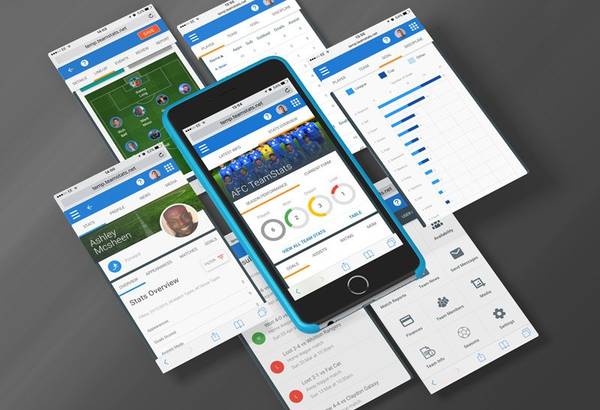
Objective player evaluation transforms grassroots football coaching from intuition-based assessment to evidence-informed development planning. Digital tools provide the structure, consistency, and longitudinal tracking that volunteer coaches need to identify player strengths, target improvement areas, and demonstrate progress to players and parents. TeamStats offers comprehensive player evaluation features designed specifically for grassroots teams - simple rating systems, progress tracking over time, and individual development planning tools that integrate naturally into existing coaching routines. The platform enables time-poor volunteer managers to implement professional-standard player assessment without requiring data expertise or significant additional time investment. Effective digital evaluation balances objective measurement with developmental context, using data to illuminate player potential rather than label current limitations. When implemented thoughtfully, these tools enhance both individual player development and overall team performance whilst building transparent, evidence-based relationships between coaches, players, and families. The result is grassroots football that genuinely prioritises long-term player development through structured, objective assessment that every volunteer coach can implement successfully.