
A grassroots football season stretches across nine months of fixtures, training sessions, player registrations, and countless administrative tasks that can overwhelm even the most dedicated volunteer manager. The difference between a chaotic season and a smoothly run campaign often comes down to how team organisation is approached from the very first day.
Digital football season planning transforms the traditional clipboard-and-spreadsheet approach into a streamlined system that saves hours each week whilst improving communication with players and parents. For managers juggling work commitments alongside team responsibilities, this shift from paper-based chaos to organised digital workflows makes the difference between burnout and actually enjoying the season.
The challenge isn't just about storing information digitally - it's about creating a connected system where fixture changes, player availability, training schedules, and team communication all work together seamlessly. When set up properly at the season's start, a team management app eliminates the repetitive admin tasks that consume evenings and weekends.
Pre-Season Foundation Work
The six weeks before the first competitive fixture determine how smoothly the entire season runs. This preparation phase focuses on three critical areas: squad registration, season calendar setup, and establishing communication channels.
Squad registration begins with collecting accurate contact details for every player and parent. Rather than maintaining multiple spreadsheets or paper forms, digital registration captures everything in one place - emergency contacts, medical information, kit sizes, and consent forms. This centralised database becomes the foundation for all season-long communication and organisation.
Creating the season calendar requires mapping out every fixture, training session, and key date before a ball is kicked. League fixtures typically arrive four to six weeks before the season starts, providing the window to input dates and venues. Training sessions follow predictable weekly patterns, but tournaments, cup competitions, and bank holiday adjustments need flagging immediately to prevent double-bookings and confusion.
Communication preferences vary dramatically across squads. Some parents check emails religiously, others rely entirely on WhatsApp, whilst a few need direct phone calls for important information. Establishing primary and backup communication methods during pre-season prevents the frustration of chasing responses throughout the campaign.
Setting Up Your Digital Infrastructure
The foundation of effective digital football season planning rests on choosing systems that actually solve grassroots football problems rather than creating new complications. Three core requirements determine whether a digital solution works for volunteer managers: it must be genuinely mobile-first, require minimal technical knowledge, and handle the specific workflows of grassroots football.
Mobile-first functionality isn't just about having an app - it's about completing every essential task from a phone whilst standing on the touchline. Updating player availability, sending fixture reminders, recording match results, and communicating with parents all happen in the moments between other commitments. Systems designed primarily for desktop use with a mobile app bolted on create friction that defeats the purpose of going digital.
The setup process should take minutes, not hours. Importing squad lists, creating the season calendar, and establishing team structure needs to happen quickly during the pre-season window when dozens of other tasks compete for attention. Football coaching apps designed specifically for grassroots teams understand this constraint and streamline the initial configuration.
Integration with existing league systems prevents double-handling of information. Many grassroots football leagues now provide fixture lists in digital formats that can be imported directly rather than manually typing every date and venue. This connection between league administration and team management eliminates transcription errors and saves considerable setup time.
Managing Player Availability Throughout the Season
Player availability tracking represents the single biggest weekly time drain for grassroots managers. The traditional approach of group chat messages, individual texts, and verbal confirmations at training creates confusion and requires constant follow-up. Digital availability systems transform this scattered process into a simple workflow that takes minutes rather than hours.
The availability request goes out automatically three to five days before each fixture, depending on team preferences. Players or parents receive a notification asking them to confirm attendance with a single tap. Responses feed directly into team selection, providing real-time visibility of who's available rather than piecing together information from multiple sources.
Automated reminders to non-responders eliminate the chase-up burden. Rather than manually tracking who hasn't replied and sending individual messages, the system automatically prompts players who haven't confirmed their status. This persistence ensures high response rates without requiring manager intervention.
Team selection becomes straightforward when availability information sits alongside player positions, recent appearances, and any rotation policies being followed. Rather than juggling mental notes about who played last week and which positions need covering, all relevant information appears in one view. For squads managing 9-a-side tactics or smaller formats, this visibility proves particularly valuable when every absence significantly impacts team shape.
Availability patterns reveal themselves over the season. Some players consistently miss Saturday morning fixtures due to family commitments, others have regular holiday periods. Spotting these patterns early allows proactive planning around key fixtures rather than being caught short before important matches.
Fixture and Training Schedule Management
The season calendar evolves constantly as leagues reschedule fixtures, cup competitions progress, and training sessions adjust around school holidays. Managing these changes across multiple communication channels creates the perfect conditions for confusion and missed sessions.
Centralised calendar management means updating a fixture once rather than notifying through multiple channels separately. When a league postpones Saturday's match due to pitch conditions, changing the date in the digital system simultaneously updates the app, sends notifications to all squad members, and adjusts availability requests. This single-source approach prevents the scenario where some parents receive the update whilst others turn up to an empty pitch.
Training session attendance tracking provides visibility beyond just fixtures. Patterns emerge showing which players consistently attend midweek sessions and how training attendance correlates with match performance. This information proves valuable when making selection decisions for competitive fixtures or identifying players who might need additional support with commitment.
Venue information attached to every session prevents the regular questions about locations and kick-off times. New parents joining mid-season particularly benefit from having postcode, parking information, and directions readily available rather than needing to ask. For teams using multiple training venues or playing at various grounds, this reference point eliminates confusion.
Weather-related cancellations happen with frustrating regularity in British grassroots football. Having a system that allows instant notification to all squad members when pitches are called off prevents wasted journeys and the cascade of individual phone calls that traditionally follow a cancellation.
Communication Strategy for Maximum Engagement
Effective team communication balances keeping everyone informed without overwhelming parents with constant notifications. The volume and timing of messages significantly impact engagement rates and whether important information gets noticed amongst the noise.
Fixture reminders follow a predictable pattern that families can rely on. An initial notification when availability requests open three to five days before the match, a reminder for non-responders after 48 hours, and a final team announcement 24 hours before kick-off creates a rhythm that parents expect. This consistency means important messages don't get lost because they arrive at unexpected times.
Urgent messages require a different approach to routine updates. When a fixture moves at short notice or weather forces a late cancellation, push notifications ensure time-sensitive information reaches everyone immediately. Distinguishing between urgent and routine communication prevents notification fatigue where parents start ignoring all messages.
Team updates about results, league positions, and upcoming fixtures maintain engagement beyond just logistics. Sharing match reports, goal scorers, and player achievements creates a sense of team identity and keeps parents connected to the season's progression. These updates work best as weekly summaries rather than individual messages after every session.
Parent questions concentrate around similar topics throughout the season - kit requirements, training times, fixture locations, and payment deadlines. Creating a team information section with these frequently asked questions reduces repetitive individual enquiries and provides new families with immediate answers.
Performance Tracking and Development Records
Recording match statistics and player development information serves multiple purposes beyond just tracking wins and losses. This data informs coaching decisions, helps identify development priorities, and provides evidence of progress for players moving through age groups.
Match results and goal scorers represent the basic level of record-keeping that most teams maintain. Digital systems make this information accessible to the whole squad rather than sitting in a manager's notebook. Parents appreciate seeing their child's contributions recognised, whilst players enjoy tracking their season statistics.
Appearance records become important when managing playing time across squads. For teams committed to fair rotation policies or monitoring that every player receives adequate match minutes, having accurate appearance data prevents unintentional imbalances. This visibility proves particularly valuable with larger squads where tracking becomes difficult mentally.
Development notes allow coaches to record observations about individual players throughout the season. These might cover technical improvements, tactical understanding, or areas needing focus. When written contemporaneously rather than trying to recall at season's end, these notes provide valuable feedback for player reviews and inform planning for the following campaign.
Position tracking shows how players have been used across the season. Young players benefit from experiencing multiple positions as part of their development, and records ensure this variety actually happens rather than defaulting to familiar combinations. For teams developing players in the number six position or other specialist roles, tracking position-specific experience helps identify who's gaining relevant expertise.
Financial Administration and Payment Tracking
Grassroots football runs on tight budgets where every subscription payment and fundraising pound matters. Digital financial tracking brings transparency and reduces the administrative burden of chasing payments whilst maintaining clear records for club auditing requirements.
Subscription management starts with recording what each player owes based on their payment plan - whether termly, monthly, or annual payments. Digital systems track outstanding balances, send automated payment reminders, and record when payments arrive. This removes the awkward conversations and manual spreadsheet updates that make financial administration particularly time-consuming.
Payment history visibility helps identify patterns and address issues early. When families fall behind on payments, having clear records allows sensitive conversations based on facts rather than unclear recollections. Most payment issues stem from confusion rather than unwillingness to pay, and transparent tracking resolves these situations quickly.
Additional costs throughout the season - tournament entries, new kit, travel expenses - need tracking separately from regular subscriptions. Recording these one-off charges against individual players ensures accurate accounting and prevents disputes about what's been paid.
Financial reporting to club committees or parent groups requires summarising income and expenditure clearly. Rather than reconstructing financial information from bank statements and paper receipts, digital records provide instant summaries of the team's financial position. This transparency builds trust and satisfies governance requirements.
Mid-Season Adjustments and Optimisation
The season's midpoint provides the natural moment to review what's working and adjust approaches that aren't delivering results. Digital systems generate data that reveals patterns invisible when relying on memory and paper records.
Response rates to availability requests indicate engagement levels. If confirmation rates drop below 70%, the timing or frequency of requests might need adjustment. Some squads respond better to requests sent on specific days, others need longer lead times. The data reveals these preferences rather than guessing.
Communication effectiveness shows in how quickly parents respond to messages and whether questions decrease over time. High volumes of individual queries about information already shared in team updates suggests messages aren't being seen or the format needs improvement. Adjusting message length, timing, or format based on actual engagement metrics improves effectiveness.
Training attendance patterns might reveal that midweek sessions clash with other commitments for significant portions of the squad. Rather than persisting with poorly attended sessions, this visibility allows informed decisions about changing days or times to maximise participation.
Playing time distribution across the squad becomes clear when appearance records are reviewed. Unintentional imbalances can develop gradually, but mid-season review catches these before they become significant issues. For squads committed to development over results, this visibility ensures principles translate into practice.
End-of-Season Review and Planning Ahead
The final weeks of the campaign provide valuable lessons that inform planning for the next season. Digital records transform this review from vague recollections into data-driven insights about what worked and what needs changing.
Season statistics tell the story of the campaign - matches played, results achieved, player appearances, and goal scorers. Beyond just numbers, these records remind everyone of the season's highlights and provide context for development conversations with players and parents.
Player development reviews benefit from contemporaneous notes recorded throughout the season. Rather than trying to recall nine months of observations during end-of-season meetings, coaches access specific examples of progress and areas for focus. These evidence-based conversations prove more valuable than general impressions.
Retention planning starts with understanding which players intend to return next season. Early conversations about the following campaign allow proactive recruitment to fill gaps rather than scrambling in pre-season. Digital systems maintain squad lists that roll forward, requiring updates rather than starting from scratch.
Administrative lessons learned feed into next season's setup. If certain processes caused repeated issues - perhaps availability requests needed longer lead times, or training venue information required more detail - these adjustments get built into the system before the next campaign starts.
Conclusion
Digital football season planning transforms grassroots football management from a constant administrative burden into a streamlined system that actually enhances the experience for managers, coaches, and families. The difference between paper-based chaos and organised digital workflows directly impacts how much time gets spent on admin versus coaching and development.
Success requires establishing solid foundations during pre-season, choosing systems designed specifically for grassroots football, and maintaining consistent processes throughout the campaign. The time invested in proper setup during those crucial pre-season weeks pays dividends across the entire nine-month season through reduced admin burden and improved communication.
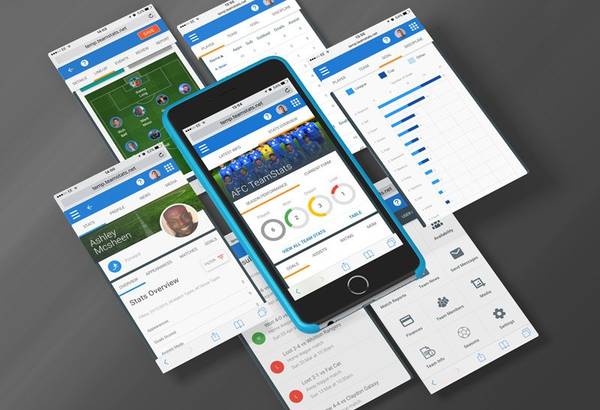
TeamStats provides grassroots teams with the digital infrastructure to manage every aspect of the season from a mobile device. From squad registration through to end-of-season reviews, the platform handles the administrative workflows that typically consume evenings and weekends, allowing volunteer managers to focus on what matters - developing players and building positive team culture.
The transition to digital football season planning doesn't require technical expertise or significant time investment. Teams that make this shift consistently report spending 60-70% less time on admin whilst improving communication effectiveness and reducing the stress that comes with managing information across multiple disconnected systems. For volunteer managers already stretched across work and family commitments, this efficiency gain makes the difference between sustainable team management and burnout.
═══════════════════════════════════════════════════════════════