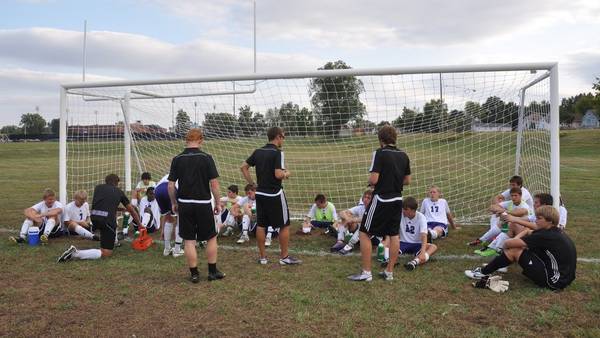

Matchday morning arrives with a familiar knot of anticipation - and a mental checklist that seems to grow longer every week. Squad confirmation, kit collection, pitch inspection, parent queries, last-minute availability changes, and somehow remembering to pack the first aid kit. For grassroots football managers juggling work, family, and team responsibilities, the hours before kick-off can feel more chaotic than the match itself.
The difference between a smooth matchday and a stressful scramble often comes down to preparation. Not elaborate systems or hours of administration, but practical match preparation tools that consolidate information, automate reminders, and keep everyone informed. When organisation replaces improvisation, managers reclaim time for what matters - coaching players and enjoying the football.
The Hidden Cost of Matchday Chaos
Disorganised matchdays create ripple effects that extend beyond a single fixture. A player arrives at the wrong venue because the location changed but parents weren't notified. Three squad members fail to confirm availability, forcing last-minute phone calls from the car park. The opposition manager struggles to find contact details, delaying kick-off by 15 minutes whilst officials wait.
These scenarios share a common thread - information scattered across text messages, email chains, and verbal conversations. Grassroots managers often maintain separate WhatsApp groups, email lists, and handwritten notes, creating multiple points of failure. When a parent asks "What time's kick-off again?" for the third time, the problem isn't their memory - it's that information lives in too many places.
Research from the Football Association indicates that administrative burden ranks among the top three reasons volunteers step away from grassroots football. The constant firefighting - chasing availability, confirming details, answering repetitive questions - gradually erodes the enjoyment that attracted people to coaching in the first place. Effective match preparation tools address this by centralising information and automating routine tasks.
Building Your Pre-Match Information Hub
The foundation of organised matchdays is a single source of truth - one place where fixture details, squad lists, and logistics live. This eliminates the "which group chat had that information?" problem that plagues multi-platform communication.
A team management app serves this function by housing all fixture information in one accessible location. Kick-off time, venue address with mapping integration, opposition details, and kit requirements appear in a format every parent can access. When details change - a pitch switch due to waterlogging, for example - one update reaches everyone simultaneously rather than requiring individual messages.
This centralisation matters particularly for Sunday league football teams managing players with work commitments and family obligations. Providing clear, consistent information weeks in advance allows players to arrange childcare, swap shifts, or plan around other commitments. The Sunday league calendar operates on tight margins, and last-minute availability issues often stem from communication gaps rather than genuine unavailability.
Automating the Availability Chase
Chasing player availability ranks among the most time-consuming aspects of matchday preparation. Traditional methods - group messages asking "who's available Saturday?" - generate chaotic threads where responses get buried and managers lose track of who's confirmed, who's declined, and who hasn't responded.
Digital availability tracking transforms this process. Players receive automated reminders before each fixture, respond with a single tap, and managers see real-time updates without manual tracking. The system highlights non-responders, allowing targeted follow-up rather than broadcast messages that everyone ignores because "someone else will answer."
This automation proves particularly valuable when managing youth football teams across different age groups. A manager coaching both Under-11s and Under-13s might handle four fixtures per weekend. Manual availability tracking across eight team sheets becomes unmanageable; automated systems make it routine.
The psychological benefit matters as much as the time saving. When availability requests arrive through consistent channels with clear deadlines, players develop response habits. The manager who constantly chases availability trains players to wait for reminders; the manager whose system sends one notification and tracks responses trains players to respond promptly.
Creating Matchday Communication Protocols
Effective matchday communication balances keeping people informed with avoiding information overload. Parents don't need every tactical adjustment or selection decision, but they do need logistics, safety information, and time-sensitive updates.
Establishing communication protocols prevents the 7am matchday text message asking "Is the match still on?" These protocols define what information gets shared, through which channels, and at what times. For example:
72 Hours Before: Fixture reminder with venue, kick-off time, and kit requirements
24 Hours Before: Squad confirmation and any late changes to logistics
Match Morning: Pitch inspection results and final attendance confirmation
Post-Match: Brief result update and next fixture reminder
This structure sets expectations. Parents learn when to expect information, reducing anxiety-driven messages. Managers maintain control over communication timing rather than responding reactively to queries throughout matchday morning.
Weather-related decisions require particular clarity. Rather than individual parents messaging at dawn asking about pitch conditions, a single update at a predetermined time (e.g., "Pitch inspection results posted by 8am") prevents duplicate queries. When cancellations occur, immediate notification through football coaching apps reaches everyone simultaneously, preventing the scenario where half the team arrives at a waterlogged pitch.
Streamlining Team Selection and Squad Management
Team selection presents a delicate balance - being fair to all players whilst fielding competitive sides. Transparent systems that track appearances, positions played, and development opportunities help managers make defensible decisions that parents understand.
Digital squad management tools maintain this data automatically. Rather than relying on memory or incomplete spreadsheets, managers see each player's appearance history, positional experience, and development areas. This information proves invaluable when explaining selection decisions to disappointed parents or identifying players who need additional opportunities.
For teams operating across multiple formats - 11-a-side, 9-a-side, and 7-a-side - tracking becomes exponentially more complex. A player might need experience in central positions, but the 11-a-side fixtures have been their only appearances. 9-a-side tactics differ from full-sized football, and ensuring players gain experience across formats requires systematic tracking.
The FA's grassroots football guidance emphasises equal playing opportunities at youth levels, particularly for younger age groups. Clubs participating in Charter Standard schemes commit to development-focused selection policies. Digital tracking helps managers honour these commitments whilst managing competitive fixtures - a player approaching minimum appearance thresholds gets flagged automatically rather than being accidentally overlooked.
Organising Tactical Preparation
Matchday organisation extends beyond logistics into tactical preparation. Communicating game plans, positional responsibilities, and opposition analysis requires tools that present information clearly without overwhelming players.
Formation diagrams, positional guides, and simple tactical instructions work best when players can reference them independently. A visual representation of where the number six position operates in the team's shape, for example, helps players understand spatial relationships better than verbal instructions alone.
For volunteer coaches balancing limited coaching time with matchday preparation, efficient planning tools prevent reinventing approaches for each fixture. Saving formation templates, positional guides, and tactical frameworks creates a library that adapts to different opponents without starting from scratch weekly.
This preparation particularly benefits teams transitioning between formats. A squad playing 7-a-side in autumn before moving to 9-a-side in spring needs to understand how 7-a-side formations translate to larger pitches. Maintaining tactical continuity across formats accelerates development and reduces confusion.
Managing Matchday Logistics
Beyond squad selection and communication, practical logistics determine whether matchdays run smoothly. Kit distribution, equipment checks, and venue information all require systematic approaches.
Kit management alone presents surprising complexity for grassroots football teams. Tracking which players have which numbered shirts, ensuring goalkeepers have appropriate kit, and managing spares for forgotten items requires organisation. Digital kit assignment prevents the matchday scramble when three players arrive expecting to wear number seven.
Equipment checklists ensure nothing critical gets forgotten. First aid supplies, footballs, water bottles, corner flags, and coaching equipment all need checking before departure. A digital checklist that managers complete weekly creates accountability and prevents the "I thought you packed the balls" conversation in the car park.
Venue information with integrated mapping prevents late arrivals at unfamiliar grounds. Grassroots football uses diverse facilities - school playing fields, council pitches, private club grounds - and finding obscure venues without clear directions causes pre-match stress. When fixture information includes precise coordinates and arrival instructions, teams arrive relaxed rather than flustered.
Post-Match Administration
Matchday organisation extends beyond the final whistle. Recording results, updating league administrators, and communicating outcomes all require prompt attention whilst details remain fresh.
Result reporting to leagues and County FAs often has tight deadlines. Grassroots football leagues typically require results within 24-48 hours, and delays can trigger administrative penalties. Integrated systems that allow managers to submit results immediately after matches, rather than remembering later, ensure compliance and maintain good standing.
Performance data collection informs future preparation. Recording goalscorers, assists, and notable performances creates a season-long narrative that players value. This information also supports end-of-season awards, player development reviews, and progression recommendations.
Parent feedback and player welfare notes deserve systematic recording. If a player mentioned an injury concern, a parent raised availability issues for upcoming fixtures, or behaviour incidents occurred, documenting these details prevents information loss. These notes inform future team selection, safeguarding actions, and communication approaches.
Integrating Technology Without Overwhelming Volunteers
The key to effective match preparation tools is simplicity. Grassroots managers need systems that save time rather than creating additional work. Technology should feel like a helpful assistant rather than another administrative burden.
Football coaching apps designed specifically for grassroots contexts understand these constraints. They prioritise essential features - availability tracking, fixture management, communication tools - over elaborate functionality that volunteer coaches won't use. The best platforms require minimal setup and deliver immediate value.
Mobile accessibility proves crucial. Managers checking availability whilst commuting, updating squad lists from the touchline, or communicating changes from their phone need tools that work seamlessly across devices. Desktop-only systems fail grassroots contexts where administration happens in spare moments rather than dedicated office time.
Training and support requirements matter equally. Platforms requiring extensive tutorials or technical knowledge create barriers that time-poor volunteers won't overcome. Intuitive interfaces that mirror familiar consumer apps (similar to social media or messaging platforms) encourage adoption across diverse age groups and technical abilities.
Building Sustainable Matchday Routines
The ultimate goal of organised matchday preparation is sustainability - systems that function consistently regardless of immediate circumstances. When processes depend on individual memory or heroic effort, they collapse when key people become unavailable.
Documented routines and shared responsibilities distribute workload and create resilience. If the manager falls ill, an assistant or committee member should access all necessary information and maintain continuity. Digital systems with appropriate access controls enable this delegation whilst maintaining data security.
Season-long planning prevents last-minute rushes. Identifying fixture dates, booking facilities, and communicating schedules months in advance allows families to plan around football commitments. This forward visibility particularly benefits grassroots football families balancing multiple children's activities, work schedules, and other commitments.
Regular review and refinement improve systems over time. What worked for Under-9s might need adjustment for Under-11s. Gathering feedback from parents, players, and fellow coaches identifies friction points and improvement opportunities. The best systems evolve gradually based on real experience rather than remaining static.
Conclusion
Matchday organisation transforms grassroots football experiences. When managers spend less time chasing availability and answering repetitive questions, they invest more energy in coaching, player development, and enjoying the football that attracted them to volunteering initially.
The tools that deliver this transformation share common characteristics - they centralise information, automate routine tasks, and communicate clearly without overwhelming users. They respect the reality that grassroots managers are time-poor volunteers rather than full-time administrators, and they prioritise essential functionality over feature bloat.
Effective match preparation tools don't eliminate all matchday challenges - football's unpredictability ensures surprises will always emerge. However, they reduce preventable chaos, creating space for managers to handle genuine issues rather than fighting administrative fires. When systems handle routine organisation, people focus on what matters most - developing players, building teams, and celebrating grassroots football's unique community spirit.
For managers currently juggling multiple communication channels, manual tracking systems, and reactive problem-solving, the path forward involves consolidating tools rather than adding more. TeamStats provides this consolidation specifically for grassroots contexts, combining availability tracking, fixture management, and team communication in one accessible platform. The result is matchdays where organisation supports enjoyment rather than competing with it - allowing coaches to arrive at the pitch focused on football rather than administration.
═══════════════════════════════════════════════════════════════