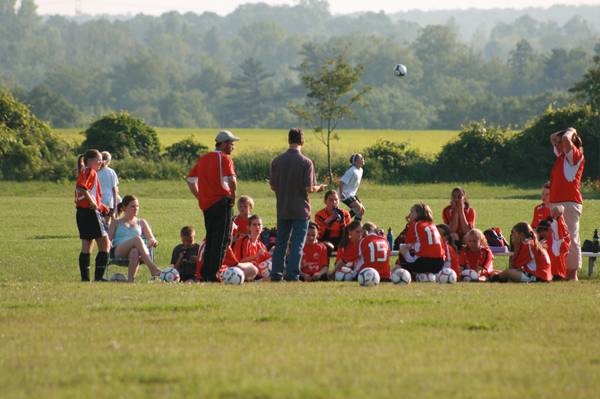

The final whistle blows. Parents gather their bags, players swap handshakes, and the opposition manager is already walking to the car park. Somewhere between packing up the kit and checking nobody's left their water bottle behind, there's a match report to write - and the details are already getting fuzzy.
Was it 4-2 or 3-2? Who scored that second goal? Which substitute came on first? By Monday morning, when the league secretary sends a reminder email, the specifics have blurred into a vague recollection of "a good win" or "tough loss."
This scenario plays out across thousands of grassroots football pitches every weekend. Yet accurate football reporting matters more than many managers realise. League standings depend on correct scores. Player development records need proper documentation. Disciplinary procedures require precise details. When reports contain errors, they create administrative headaches that ripple through clubs, leagues, and County FAs.
The challenge isn't that volunteer managers don't care about accuracy. It's that traditional methods - scribbled notes on soggy paper, mental tallies during chaotic matches, post-match memory exercises - simply don't work under grassroots football conditions.
Why Match Report Accuracy Matters
Beyond satisfying league requirements, accurate match documentation serves several critical functions that many grassroots managers overlook until problems emerge.
League Administration and Fair Competition
County FAs and grassroots leagues use match reports to maintain standings, calculate goal differences, and determine promotion or relegation. A single incorrect score can affect multiple teams' positions. When errors surface weeks later, they require retrospective corrections that undermine competition integrity and create disputes between clubs.
The FA's Whole Game System relies on timely, accurate match data. Leagues that consistently receive poor-quality reports face administrative burdens that strain volunteer committees. Some leagues now impose fines for late or inaccurate submissions - adding financial consequences to what seems like a minor oversight.
Player Development Records
For youth football players progressing through age groups, match statistics form part of their development history. Coaches at higher levels review these records when assessing players for representative teams or academy trials. A striker's actual goal tally matters. A defender's consistent appearances demonstrate reliability. A goalkeeper's clean sheets indicate defensive organisation.
When managers fail to record contributions accurately, they inadvertently erase evidence of player progress. This particularly affects players who contribute beyond goals and assists - defensive midfielders who rarely appear on scoresheets, full-backs who provide width, centre-backs who organise the defensive line.
Disciplinary Procedures and Safeguarding
Serious incidents require detailed, contemporaneous records. If a player receives a red card, the match report provides the official account that determines ban length and any appeals. If safeguarding concerns arise involving spectator behaviour or opposing team conduct, the match report becomes a crucial document.
Vague or inaccurate reports complicate disciplinary procedures. County FAs cannot fairly adjudicate disputes when basic facts conflict. Clubs that consistently submit poor reports may find their appeals carry less weight because they've established a pattern of unreliable documentation.
Team Analysis and Tactical Development
Managers who track patterns across multiple matches gain insights that improve team performance. Which formations produce better results? Do certain players perform better in specific positions? How does the team respond when conceding first?
These questions require accurate historical data. A team management app that captures match details enables managers to spot trends that wouldn't be visible from memory alone. The difference between a 2-1 win and a 3-1 win might seem trivial in the moment, but aggregated across a season, these details reveal whether the team is improving defensively or becoming more clinical in attack.
Common Accuracy Problems in Grassroots Football
Understanding where errors typically occur helps managers implement better recording systems. Most mistakes follow predictable patterns that simple process changes can prevent.
The Memory Trap
Relying on memory after the match ends guarantees inaccuracy. During a typical grassroots fixture, managers simultaneously watch play, provide tactical instructions, manage substitutions, communicate with parents, monitor player welfare, and track time. Expecting perfect recall of every goal scorer, assist provider, and substitution timing under these conditions isn't realistic.
The problem compounds when managers delay report submission. What felt clear on Saturday afternoon becomes uncertain by Sunday evening. By Tuesday, when the league deadline arrives, managers find themselves guessing at details that should be factual.
Substitution Confusion
Youth football's rolling substitutions create particular challenges. Players rotate in and out multiple times. A player who started might re-enter later. Another who began on the bench might play more minutes than a starter.
Without systematic tracking, managers struggle to record accurate participation data. This matters for leagues with minimum playing time requirements and for maintaining fair rotation policies that parents expect. It also affects player statistics - goals scored by substitutes need correct attribution.
Scorer and Assist Attribution
In the excitement following a goal, managers often miss exactly how it developed. Did the pass before the shot count as an assist? Was there a deflection? Did the initial shot require a rebound finish?
Grassroots football rarely has neutral officials tracking these details. Managers make judgement calls, sometimes influenced by which parents are nearby or which players usually receive credit. This inconsistency means player statistics don't accurately reflect contributions.
Timing and Match Events
Recording when goals occur matters for understanding match patterns. Teams that consistently concede in the first ten minutes have a different problem than teams that concede late. Managers who track goal timing can identify these patterns and address them tactically.
Yet few grassroots managers record anything beyond final scores. Without timestamps, the narrative of how matches unfolded disappears. Was it a dominant performance or a smash-and-grab? Did the team respond well to going behind or collapse? The bare numbers don't tell the full story.
Disciplinary Records
Yellow and red cards must be recorded accurately for league disciplinary procedures. Players accumulating cards face suspensions. Managers need to track individual totals to avoid fielding ineligible players - an offence that can result in points deductions.
When managers forget to record cautions or misremember which player received a card, they create compliance problems. Some only discover errors when the league sends suspension notices for cards they didn't know about.
Practical Systems for Match Day Recording
Effective recording systems share common characteristics: they're simple enough to use during matches, comprehensive enough to capture necessary details, and reliable enough to produce consistent results regardless of match circumstances.
The Designated Recorder Role
Managers who try to coach and record simultaneously rarely succeed at both. Designating a specific person to track match events - a parent volunteer, assistant coach, or club administrator - dramatically improves accuracy.
This person needs clear instructions about what to record: goal scorers and times, assists (if practical), substitutions with times, disciplinary cards, and any notable incidents. They should position themselves where they can see the pitch clearly but away from the technical area's immediate pressure.
For Sunday league teams without large support structures, rotating this responsibility among reliable parents prevents burnout and ensures coverage even when regular volunteers are unavailable.
Digital Recording Tools
Modern football coaching apps transform match recording from a post-match memory exercise into a real-time documentation process. These platforms allow managers or designated recorders to log events as they happen using smartphones or tablets.
The advantages extend beyond convenience. Digital systems timestamp events automatically, preventing timing errors. They prompt users to record required information, reducing omissions. They sync data immediately, eliminating lost paper notes or illegible handwriting.
TeamStats provides specific features designed for grassroots match recording: quick-tap goal logging, substitution tracking with automatic time stamps, and card recording that feeds into player disciplinary histories. Because data enters the system during the match, accuracy improves dramatically compared to retrospective reporting.
The Paper Backup Method
For managers preferring traditional approaches or lacking reliable pitch-side connectivity, structured paper templates work better than blank notebooks. A pre-printed match sheet with sections for starting lineups, substitutions, goals, cards, and notes provides prompts that prevent omissions.
The key is completing these sheets during the match, not afterwards. Keep the clipboard accessible on the sideline. Record events immediately - waiting until half-time means forgetting details. Use clear shorthand that will make sense later: "J. Smith > M. Jones 23'" is clearer than vague arrows and initials.
After the match, transfer paper records to digital systems the same day whilst memory remains fresh. This hybrid approach combines paper's reliability in all weather conditions with digital systems' long-term accessibility and analysis capabilities.
Video Recording for Verification
Many grassroots football clubs now film matches for player development purposes. This footage serves a secondary function as an accuracy verification tool. When disputes arise about match events, video provides definitive evidence.
However, video shouldn't replace real-time recording. Watching an entire match to extract statistics wastes time that volunteer managers don't have. Instead, use video to verify uncertain details or resolve disputes, whilst maintaining systematic live recording as the primary method.
Building Recording Habits That Stick
Implementing better systems means nothing if managers abandon them after a few weeks. Sustainable accuracy requires building habits that withstand the chaos of grassroots football.
Start With Minimum Viable Data
Don't attempt to record every touch, pass, and tackle in the first week. Begin with essentials: starting lineup, substitutions, goals, and cards. Once this becomes routine, add layers like assists, goal times, or tactical observations.
Trying to capture everything immediately overwhelms volunteers and leads to abandoning the system entirely. Incremental improvement works better than ambitious perfection.
Create Pre-Match Checklists
Include "prepare match recording system" on pre-match preparation lists, alongside checking medical kits and confirming player availability. Whether that means charging a tablet, printing match sheets, or briefing the designated recorder, making it part of standard preparation prevents last-minute scrambling.
Immediate Post-Match Review
Spend five minutes immediately after the match reviewing recorded data with coaching staff or the designated recorder. This catches obvious errors whilst memory remains fresh and allows quick corrections before details fade.
This review also provides an opportunity to add context notes: "Played into strong wind first half," "Missing three regular starters," "Opposition played very defensive shape." These qualitative observations complement quantitative data and help interpret statistics later.
Weekly Accuracy Audits
Periodically compare submitted match reports against league records to identify discrepancies. If the league shows different results than club records, investigate why. Was it a submission error? A recording mistake? Understanding error patterns helps refine systems.
For youth teams, sharing appropriate statistics with players and parents demonstrates that the club takes record-keeping seriously. When families see accurate, consistent reporting, they're more likely to support the system by volunteering as designated recorders or helping verify details.
Technology Integration for Long-Term Success
Whilst paper systems can work, digital platforms offer advantages that become increasingly valuable over time. The key is choosing technology that fits grassroots football's specific constraints and capabilities.
Mobile-First Solutions
Grassroots football happens on muddy pitches without nearby facilities, not in stadiums with press boxes. Recording systems must work on smartphones that managers already carry. Apps requiring laptops or tablets with large screens create barriers that reduce adoption.
Look for platforms designed specifically for grassroots conditions: large touch targets for cold fingers, offline functionality for pitches without connectivity, and battery-efficient designs that last through multiple matches.
Automated League Integration
The most powerful digital systems connect directly with league platforms. Rather than recording match details in an app and then manually entering them into league websites, integrated systems submit reports automatically. This eliminates double-entry work and the transcription errors that come with it.
Many grassroots football leagues now accept automated submissions from approved team management platforms. This integration saves volunteer managers hours each season whilst improving data accuracy across the league.
Historical Data Access
Digital systems create searchable archives that paper records cannot match. Need to know how many goals a player scored last season? Want to compare performance against specific opponents? Trying to remember which formation worked best in wet conditions?
Properly maintained digital records answer these questions instantly. Over multiple seasons, this accumulated data becomes increasingly valuable for player development tracking, tactical analysis, and club record-keeping.
Multi-User Collaboration
Grassroots football teams often split responsibilities among several volunteers. The manager handles tactics, an assistant manages substitutions, a parent coordinates logistics. Digital platforms that allow multiple users to access and update match data accommodate this distributed structure.
When the designated recorder logs goals and the manager adds tactical notes and the club secretary submits the official report, all working from the same system, accuracy improves because information doesn't pass through multiple handoffs where errors creep in.
Maintaining Standards Across Different Match Types
Not all fixtures carry equal recording requirements, but maintaining consistent standards across all match types builds habits that ensure accuracy when it matters most.
League Matches
These require full documentation for official records. Every goal, card, and substitution must be recorded accurately because they affect league standings and player statistics. Treat league match recording as non-negotiable, with backup systems in place if the primary method fails.
Cup Competitions
County cup matches often have additional reporting requirements, particularly for later rounds. Some require more detailed incident reports or have stricter submission deadlines. Understand competition-specific rules before the match to ensure compliance.
Friendly Matches
Whilst friendlies don't affect league standings, they still provide valuable development data. Recording friendly match details helps track player progress, test tactical variations, and maintain recording habits during gaps in competitive fixtures.
Many managers treat friendlies casually and then struggle to rebuild recording discipline when league matches resume. Maintaining standards year-round produces better long-term results.
Training Matches
Internal practice matches offer opportunities to test recording systems without competitive pressure. Use training games to familiarise new designated recorders with the process or trial new apps before deploying them in official fixtures.
Conclusion
Accurate match reporting isn't glamorous work. It doesn't win trophies or develop skills. Yet it forms the administrative foundation that allows grassroots football to function fairly and effectively.
The difference between vague recollections and precise records compounds over time. A single season of accurate data helps managers understand their team better. Multiple seasons create a development history that benefits players, informs tactical decisions, and demonstrates club professionalism.
Technology hasn't eliminated the need for systematic approaches - it's simply made good systems easier to implement. Whether using sophisticated apps or structured paper templates, the principles remain constant: record events as they happen, designate specific responsibility, review for accuracy immediately, and maintain consistency across all fixtures.
For volunteer managers already juggling countless responsibilities, adding another task might seem burdensome. But accurate football reporting ultimately saves time by preventing the administrative complications that arise from errors: disputed results, disciplinary confusion, league queries, and the frustration of trying to reconstruct events from fading memories.
The managers who excel at match reports don't possess superhuman memory or unlimited time. They've simply built reliable systems that capture essential information during matches, when details are clear and accuracy is achievable. These systems become habitual, requiring minimal conscious effort whilst producing consistently reliable results.
Grassroots football depends on volunteers who care enough to do administrative tasks properly, even when nobody's watching. Accurate match reporting might not generate applause from the touchline, but it demonstrates the professionalism and attention to detail that distinguishes well-run clubs from chaotic ones. Every correctly recorded score, properly attributed goal, and accurately logged card contributes to a football environment where fair competition, player development, and administrative integrity all flourish.
Get started with TeamStats to record match reports accurately in real-time and build comprehensive development histories for every player.
═══════════════════════════════════════════════════════════════