
Matchday coordination separates well-run grassroots football teams from chaotic ones. When volunteer managers juggle player availability, parent queries, kit distribution, and last-minute cancellations, even the most organised coaches feel overwhelmed. The difference between smooth matchday coordination and administrative chaos often comes down to systems - not heroic effort.
Research from the Football Association shows that administrative burden causes 34% of volunteer managers to step down within two years. The solution isn't working harder. It's working smarter with processes that handle routine coordination automatically, freeing managers to focus on what actually matters: supporting players and building team culture.
The Real Cost of Poor Matchday Coordination
Disorganised matchday operations create cascading problems that extend far beyond inconvenience. When a manager discovers at 8:45am that only seven players confirmed attendance for a 9:30am kick-off, the scramble begins. Frantic phone calls, frustrated parents, disappointed players waiting at the pitch, and potentially forfeited fixtures all stem from inadequate coordination systems.
The time burden alone justifies better processes. Volunteer managers report spending 4-6 hours weekly on matchday admin during the season. That's 150+ hours annually spent chasing availability responses, coordinating transport, and answering repetitive questions about fixture details. For parent-coaches already balancing work and family commitments, this workload proves unsustainable.
Poor coordination also damages team culture. Players who arrive to find insufficient teammates feel let down. Parents who receive last-minute cancellations or venue changes lose trust in team organisation. Opponents who face late forfeits waste their preparation time. These friction points accumulate, eroding the positive environment grassroots football should provide.
Building a Matchday Coordination Framework
Effective matchday coordination starts with clear processes established well before match morning. The framework needs to address four critical elements: fixture communication, availability tracking, information distribution, and contingency planning.
Fixture Communication Standards
Establish a single source of truth for fixture information. When details live across multiple WhatsApp threads, email chains, and verbal conversations, confusion becomes inevitable. Designate one platform where fixture dates, times, venues, and opposition details remain accessible to all stakeholders.
Communicate fixture schedules as far in advance as possible. League fixtures typically release 2-4 weeks ahead, providing sufficient notice for families to plan around matches. Share this information immediately rather than waiting for closer to matchday. Parents juggling multiple children's activities need maximum planning time.
Include essential details in every fixture communication: kick-off time, arrival time, venue address with postcode, opposition team name, kit colours, and any special instructions. Managers who assume parents remember venue locations or standard arrival times create unnecessary confusion.
Availability Tracking Systems
Traditional availability tracking through group messages creates chaos. When 15 parents reply "yes" in a thread with 40+ messages about other topics, managers waste valuable time scrolling through conversations to compile attendance lists.
Implement structured availability requests sent 5-7 days before each fixture. This timing balances giving families planning notice whilst remaining close enough to matchday that commitments feel concrete. Requests sent too early receive tentative responses that change. Requests sent too late don't allow time for contingency planning.
Set clear response deadlines 48 hours before kick-off. This window allows managers to assess numbers, contact non-responders, and make informed decisions about whether the fixture proceeds. Teams using football coaching apps report 85% faster availability collection compared to manual methods.
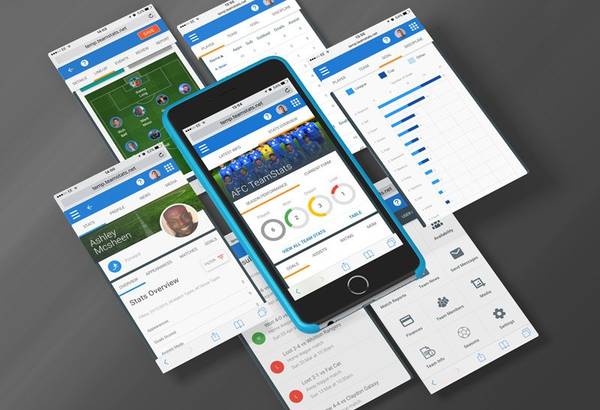
Track responses centrally where managers can view attendance at a glance. Visual dashboards showing confirmed, declined, and pending responses eliminate the need to manually count replies. When managers instantly see that only 8 of 14 players have responded with 36 hours remaining, they can target follow-up communication effectively.
Information Distribution Protocols
Different stakeholders need different information at different times. Players need kit requirements and warm-up timing. Parents need venue directions and parking details. Coaches need opposition information and tactical considerations. Sending everyone identical messages with excessive detail creates information overload.
Create matchday information packages tailored to recipient needs. Parents appreciate concise messages with logistics essentials: "Saturday 10am kick-off, arrive 9:30am, Riverside Playing Fields (postcode: XX1 2YY), red kit, bring water bottle." Coaches need additional context about opposition playing style, recent results, or specific tactical focuses.
Automate routine information distribution where possible. Fixture reminders sent automatically 48 hours and 24 hours before kick-off ensure families receive timely prompts without managers manually sending messages. Automated systems maintain consistency even when managers face busy periods at work or home.
Consider communication preferences across parent groups. Whilst most grassroots football teams rely heavily on WhatsApp, some parents prefer email for fixture details they can reference later. A team management app consolidates communication channels, ensuring messages reach everyone regardless of platform preference.
Managing Last-Minute Changes
Even perfect planning can't prevent last-minute changes. Players fall ill, weather deteriorates, or opposition teams cancel. How teams handle these disruptions determines whether they cause minor inconvenience or major chaos.
Weather-Related Decisions
Establish clear protocols for weather-related cancellations. Identify who makes the final decision (manager, league, venue operator) and communicate this authority to parents. Nothing frustrates families more than uncertainty about whether to travel to a potentially cancelled fixture.
Check pitch conditions early on matchday morning when weather looks questionable. Waiting until 30 minutes before kick-off to inspect waterlogged pitches wastes everyone's time. Contact venue operators or league officials by 7:30am for 10am fixtures to allow proper notification time.
Communicate cancellations immediately through multiple channels. Send messages via your primary platform, but also consider backup methods for critical updates. Some managers create emergency contact lists with parent phone numbers for direct calls when fixtures cancel at the last minute.
Player Availability Shortfalls
Define minimum player numbers required for fixtures to proceed. For 7-a-side formats, most teams need at least 6 confirmed players. For 11-a-side, 9 players minimum allows the match to proceed with limited substitutions. Communicate these thresholds clearly so parents understand decision-making criteria.
Maintain an updated availability pool including players who marked themselves as "maybe" or didn't respond. When confirmed numbers fall short, contact these families directly rather than broadcasting availability appeals to the entire group. Targeted communication produces faster responses than general pleas.
Consider reciprocal arrangements with other teams at clubs. When facing player shortages, borrowing 1-2 players from an age group above or below (within league rules) keeps fixtures alive. These arrangements require advance coordination with fellow managers, but provide valuable insurance against cancellations. Understanding 7-a-side formations helps managers plan for different squad sizes.
Optimising Pre-Match Logistics
The 60 minutes before kick-off sets the tone for matchday. Well-coordinated pre-match logistics ensure players arrive relaxed and prepared rather than stressed and disorganised.
Arrival Time Management
Set arrival times 30-45 minutes before kick-off depending on team age and pre-match routine complexity. Under-8s need less preparation time than under-16s with tactical briefings. Younger age groups benefit from 30-minute windows that prevent early arrivals becoming restless. Older teams appreciate 45 minutes for proper warm-ups and tactical discussions.
Communicate arrival times distinctly from kick-off times. Messages stating "9:30am arrival for 10am kick-off" prevent confusion better than "match at 10am." Parents glancing quickly at messages may miss nuanced timing details, so explicit clarity prevents late arrivals.
Account for venue-specific factors when setting arrival times. Pitches with limited parking require earlier arrivals to allow time for walking from distant car parks. Venues with multiple pitches need extra time for families to locate the correct pitch. Managers familiar with venue quirks can adjust arrival times accordingly.
Kit and Equipment Coordination
Confirm kit colours 48 hours before kick-off, accounting for potential clashes with opposition. Teams discovering kit clashes on matchday morning create unnecessary stress. Check opposition kit colours in advance (many grassroots football leagues list team colours on league websites) and communicate any changes from standard kit early.
Designate clear kit responsibilities. Most grassroots teams expect players to bring their own kit, but managers need to coordinate team equipment: footballs, first aid kit, water bottles, tactics board, and any other essentials. Create a standardised matchday equipment checklist that ensures nothing gets forgotten.
Assign backup kit responsibilities to specific parents. When players forget kit or need different coloured shirts for clash situations, having designated parents who bring spares prevents last-minute scrambles. Rotate this responsibility across families to share the burden fairly.
Venue Information Accuracy
Provide accurate venue directions that account for common navigation issues. Postcode accuracy matters - some playing fields have postcodes that direct families to venue entrances on opposite sides of large facilities. Include landmark references ("park in the car park next to the pavilion, pitches are behind the changing rooms") that help parents navigate unfamiliar venues.
Share pitch-specific details for multi-pitch venues. "Pitch 3 at Riverside" provides clearer guidance than just "Riverside." Some venues number pitches inconsistently or use names rather than numbers, so verify terminology that matches venue signage.
Consider creating a venue information database for regular locations. After visiting each venue once, document specific details: parking locations, changing room facilities, nearest toilets, and any access quirks. Reference this database when communicating about return fixtures, ensuring consistent and accurate information.
Post-Match Coordination
Matchday coordination doesn't end at the final whistle. Post-match processes close the loop on each fixture and prepare for subsequent matches.
Result recording: Record match results promptly whilst details remain fresh. Scorelines, goalscorers, and standout performances documented immediately after matches provide accurate records for league reporting and team statistics. Waiting days to record results leads to forgotten details and reporting delays.
League submission: Submit results to league administrators within required timeframes, typically 24-48 hours post-match. Late result submissions can incur fines or administrative penalties. Managers using digital platforms that streamline result recording and league submission save significant time compared to manual form completion.
Feedback collection: Gather post-match feedback from coaches about player performance, tactical observations, and development areas. This information informs training session planning and helps track individual player progress. Structured feedback processes ensure insights don't get lost in busy post-match periods.
Recovery and preparation: Communicate recovery expectations appropriate to player age groups. Older youth players benefit from guidance about hydration, nutrition, and rest between matches. Bridge from one fixture to the next by sharing upcoming match details promptly. Parents appreciate knowing next week's fixture information before leaving the current match venue.
Technology Solutions for Matchday Coordination
Digital tools transform matchday coordination from time-consuming admin burden into streamlined processes. The right technology handles routine tasks automatically, giving managers time back for coaching and player development.
Modern platforms designed specifically for grassroots football address coordination challenges that generic communication tools can't solve. Whilst WhatsApp works for casual team chat, it lacks structured features for availability tracking, fixture management, and information distribution. TeamStats provides purpose-built matchday coordination tools that reduce administrative time by up to 70%.
Automated availability tracking: Digital availability tracking replaces endless message threads with simple, visual systems. Managers send availability requests with one click. Parents respond with a single tap. Managers view responses in real-time dashboards showing exactly who's available, who's declined, and who hasn't responded yet.
Centralised fixture information: Digital fixture calendars provide single sources of truth that eliminate confusion. All fixture details - dates, times, venues, opposition, kit colours - live in one accessible location. Parents check the app rather than scrolling through message history to find venue addresses or kick-off times.
Streamlined communication: Targeted messaging features allow managers to send different information to different groups. Send tactical briefings to coaches, logistics details to parents, and motivational messages to players - all from one platform without creating multiple message threads.
Building Sustainable Coordination Systems
Effective matchday coordination requires systems that work consistently across entire seasons, not just individual fixtures. Sustainable approaches prevent manager burnout and maintain quality even during busy periods.
Delegation and role distribution: Identify coordination tasks that can be delegated to other parents. Fixture venue research, kit coordination, first aid responsibilities, and refreshment organisation all represent opportunities to distribute workload. Most parent groups include willing volunteers who appreciate specific, manageable responsibilities rather than open-ended commitments.
Process documentation: Document coordination processes so systems don't depend entirely on manager memory. Written procedures for availability tracking, result submission, and communication protocols ensure consistency and provide reference materials when managers need reminders.
Continuous improvement: Review coordination effectiveness periodically throughout the season. Mid-season check-ins (perhaps at winter break) provide opportunities to assess what's working well and what needs adjustment. Gather informal feedback from parents about whether communication timing, detail level, and coordination processes meet their needs.
Conclusion
Matchday coordination transforms from overwhelming burden to manageable process when managers implement structured systems and leverage appropriate technology. The difference between chaotic and smooth operations isn't heroic individual effort - it's smart processes that handle routine tasks efficiently whilst freeing managers to focus on player development and team culture.
Grassroots football thrives when volunteer managers can sustain their roles without burning out. Coordination systems that reduce administrative time from hours to minutes each week make this sustainability possible. Teams benefit from consistent organisation. Players benefit from reliable matchday experiences. Families benefit from clear communication and respect for their time.
The investment in building robust coordination frameworks pays dividends throughout entire seasons and beyond. Managers who establish effective processes in their first season find subsequent years progressively easier as systems mature and parent groups adapt to established routines. This long-term perspective encourages managers to persist through initial setup effort, knowing that sustainable systems ultimately save hundreds of hours annually.
Technology designed specifically for grassroots football coordination solves problems that generic communication tools can't address. Purpose-built platforms handle the unique requirements of team management - availability tracking, fixture organisation, targeted communication - in ways that transform administrative burden into streamlined efficiency. Teams exploring digital solutions should prioritise tools that understand grassroots football's specific challenges and volunteer manager realities. Understanding what is grassroots football helps clubs appreciate why specialised coordination tools matter.
Ultimately, exceptional matchday coordination serves a higher purpose than administrative efficiency. When logistics run smoothly, players arrive relaxed and ready to perform. Coaches can focus on tactical preparation rather than chasing attendance confirmations. Parents trust team organisation and commit more reliably. These conditions create the foundation for positive grassroots football experiences that keep players engaged, volunteers fulfilled, and communities connected through sport.
═══════════════════════════════════════════════════════════════