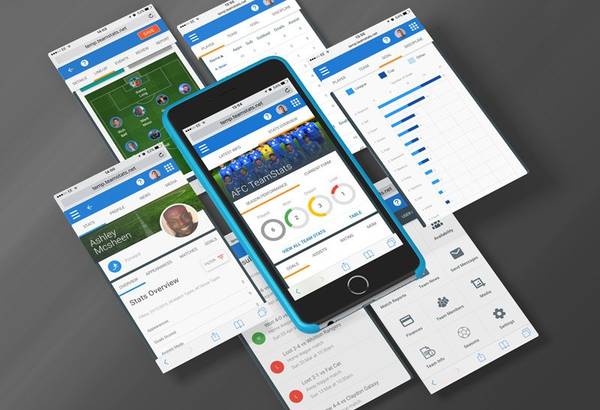

Managing a grassroots football team used to mean juggling scraps of paper, endless group chats, and last-minute phone calls to check who could make Saturday's fixture. The modern football manager faces the same core challenges - player availability, match scheduling, parent communication, tactical planning - but now has access to digital solutions that transform these time-consuming tasks into streamlined processes.
The shift towards football manager tools has fundamentally changed how volunteer coaches and team administrators operate. What once consumed hours of administrative work each week can now be handled in minutes, freeing managers to focus on what matters most: developing players and building positive team culture.
Why Digital Tools Matter for Grassroots Football
Grassroots football relies almost entirely on volunteers. Parent-coaches balance full-time jobs, family commitments, and team management responsibilities. Club administrators coordinate multiple age groups whilst maintaining safeguarding compliance and league requirements. Time is the scarcest resource in amateur football.
Digital football manager tools address this reality directly. When a manager can check player availability with three taps instead of twenty phone calls, that saved time goes towards planning better training sessions or providing individual player feedback. When fixture updates reach every parent simultaneously rather than through a broken telephone chain, fewer players miss matches due to confusion.
The administrative burden of grassroots football has grown significantly. County FA requirements, safeguarding documentation, league registration systems, and payment tracking all demand attention. Without proper systems, these necessary tasks overwhelm volunteers and drive good people away from coaching roles.
Core Functions Every Manager Needs
The essential football manager tools solve five fundamental challenges that every grassroots team faces weekly.
Player Availability Tracking
Knowing who can attend training and matches forms the foundation of team management. Traditional methods - group chats, text messages, verbal confirmations - create confusion and missed communication. Parents confirm availability in different threads, managers lose track of responses, and match day brings unwelcome surprises.
Effective availability systems allow parents to confirm attendance through simple interfaces, automatically compile responses, and send reminders to those who haven't responded. Managers see real-time updates showing exactly who's available, who's unavailable, and who hasn't confirmed. This clarity enables better tactical planning and ensures no player gets overlooked for selection.
Match and Training Scheduling
Coordinating fixtures, training sessions, and venue bookings whilst avoiding conflicts with school holidays, other sports, and family commitments requires sophisticated organisation. Digital calendars that sync with parent devices ensure everyone knows when and where to appear.
The best scheduling tools integrate with league fixture lists, automatically populate match dates, and allow managers to add training sessions with location details and specific instructions. Parents receive notifications when schedules change, eliminating the need for mass messaging every time a fixture gets rescheduled.
Team Communication
Clear communication prevents the majority of grassroots football problems. When parents understand expectations, receive timely updates, and can easily contact managers, teams function smoothly. When communication breaks down, confusion spreads quickly.
Modern football coaching apps centralise team communication in dedicated spaces separate from personal messaging. Managers send announcements to all parents simultaneously, ensuring consistent information reaches everyone. Parents receive updates through their preferred channels without cluttering personal message threads with team business.
This separation matters more than it might seem. When team communication happens in personal WhatsApp groups, important messages get buried beneath social chat. When it occurs in dedicated platforms, every parent can find fixture details, kit requirements, or venue changes instantly.
Performance and Statistics Tracking
Understanding team and individual performance helps managers make better tactical decisions and support player development effectively. Recording match statistics, tracking goal scorers, monitoring attendance patterns, and analysing tactical effectiveness provides valuable insights.
Manual record-keeping rarely survives a full season. Notebooks get lost, spreadsheets become outdated, and memory proves unreliable. Digital systems automatically compile statistics as managers input basic match information, creating comprehensive records without additional effort.
These records serve multiple purposes. They help managers identify patterns in team performance, recognise players who consistently contribute beyond goals and assists, and provide concrete feedback during player development conversations. They also create valuable archives that players treasure years later.
Financial Management
Grassroots football costs money. League fees, pitch hire, equipment, referee payments, and tournament entries add up quickly. Tracking who has paid, who owes money, and where funds have been spent requires meticulous organisation.
Payment tracking tools allow managers to record contributions, send payment reminders, and maintain transparent financial records. This transparency builds trust with parents and ensures clubs meet financial obligations on time. It also simplifies treasurer handovers when volunteers change roles.
Advanced Features That Elevate Team Management
Beyond core functions, sophisticated football manager tools offer capabilities that transform good team management into exceptional organisation.
Tactical Planning and Formation Tools
Planning training sessions and match tactics on paper limits visualisation and makes sharing plans with assistant coaches difficult. Digital tactical boards allow managers to create formations, design training drills, and illustrate tactical concepts with clarity.
These tools prove particularly valuable when explaining positional responsibilities to young players. Visual representations of 7-a-side formations or defensive shapes help players understand spatial relationships better than verbal instructions alone.
Managers can save tactical setups, modify them based on opponent analysis, and share them with coaching staff before matches. This preparation ensures everyone understands the game plan and can reinforce consistent messages to players.
Squad Rotation and Team Selection
Selecting balanced teams whilst ensuring fair playing time, accommodating ability levels, and maintaining tactical effectiveness challenges every grassroots manager. Digital tools help managers visualise squad rotation, track minutes played, and ensure no player gets consistently overlooked.
This functionality matters especially in youth football, where development takes priority over results. Tools that highlight players with limited recent game time help managers honour commitments to fair participation whilst still fielding competitive sides.
League Integration and Fixture Management
Many grassroots football leagues now provide digital fixture lists and results services. Tools that integrate with league systems automatically import fixtures, update results, and maintain league table positions without manual data entry.
This integration eliminates duplicate work and ensures accuracy. When fixture dates change, updates flow automatically to team calendars. When results get submitted to the league, they simultaneously update team records.
Multi-Team Management
Club administrators and coaches who manage multiple age groups need tools that scale beyond single-team functionality. The ability to switch between teams, share resources across age groups, and maintain separate records for each squad streamlines club-level organisation.
This capability proves essential for clubs with multiple teams in the same age group or coaches who work across different age categories. Rather than juggling separate systems for each team, administrators access all teams through unified interfaces.
Choosing the Right Tools for Your Team
Not every team needs every feature. Sunday league teams managing adult players have different requirements than under-9s youth teams focused on development. Selecting appropriate football manager tools depends on specific team circumstances.
Consider Your Team's Specific Needs
Youth teams with parent-coaches prioritise simplicity and clear communication. Tools must be intuitive enough for volunteers with limited technical expertise. Features supporting player development and fair participation matter more than advanced tactical analysis.
Adult Sunday league teams need robust availability tracking and flexible scheduling to accommodate players with varying commitment levels. Financial management becomes more important as players contribute match fees and social activities.
Competitive youth teams might prioritise performance tracking and tactical planning tools that support higher-level coaching. Integration with video analysis platforms and detailed statistics help coaches working towards player pathway opportunities.
Evaluate User-Friendliness
The best tool delivers no value if team members won't use it. Systems requiring complex setup, offering confusing interfaces, or demanding significant technical knowledge create barriers rather than solutions.
Tools should feel intuitive from first use. Parents should be able to confirm availability within seconds of opening the app. Managers should be able to send announcements without consulting instruction manuals. If the learning curve feels steep, adoption will suffer.
Check Mobile Accessibility
Grassroots football happens on the move. Managers check availability whilst commuting to work. Parents confirm attendance whilst collecting children from school. Tools must function seamlessly on mobile devices, not just desktop computers.
Mobile-first design ensures all features work properly on smartphones, with interfaces optimised for smaller screens and touch interaction. Native apps often provide better experiences than mobile websites, with offline functionality and push notifications.
Assess Integration Capabilities
Teams rarely use single tools in isolation. Calendar integration with Google Calendar or Apple Calendar ensures fixture dates appear alongside personal commitments. Communication features should complement rather than replace existing channels parents already use.
The ability to export data matters when transitioning between seasons or handing over management responsibilities. Tools that lock information into proprietary formats create problems when circumstances change.
Consider Cost and Value
Many excellent tools offer free tiers suitable for grassroots teams. Others charge modest subscriptions that deliver significant value relative to time saved. Expensive enterprise solutions designed for professional clubs rarely suit amateur team budgets or requirements.
Evaluate whether paid features genuinely benefit your team or simply add complexity. A free tool that solves core problems beats a premium service with features you'll never use.
Making Digital Tools Work in Practice
Adopting new systems requires more than downloading apps. Successful implementation depends on clear processes and team buy-in.
Introduce Tools Gradually
Switching everything at once overwhelms team members and creates resistance. Start with one core function - typically availability tracking - and establish that process before adding additional features.
Once parents become comfortable confirming availability through the new system, introduce scheduling features. After schedules become routine, add communication functions. Gradual adoption builds confidence and demonstrates value before asking for additional behaviour changes.
Communicate Clear Expectations
Parents need to understand what's expected of them. If managers want availability confirmed by Thursday evening, communicate that deadline clearly and consistently. If important announcements will come through the app rather than WhatsApp, make that transition explicit.
Clear expectations prevent confusion and reduce the need for duplicate communication across multiple channels. When everyone knows where to find information and how to respond, systems function smoothly.
Maintain Consistency
Digital tools only work when used consistently. If managers sometimes send fixture details through the app and sometimes through text messages, parents won't know where to look. If availability tracking happens digitally some weeks but verbally other weeks, parents won't develop reliable habits.
Consistency requires discipline, especially during busy periods when reverting to old methods feels easier. The long-term efficiency gains depend on maintaining systematic approaches even when they initially feel more effortful than ad hoc solutions.
Provide Support for Less Technical Users
Not every parent feels comfortable with new technology. Some will need additional support to download apps, create accounts, or navigate interfaces. Offering help - through demonstration at training sessions, simple written guides, or patient individual assistance - ensures nobody gets left behind.
Inclusive adoption matters because the tools only deliver full value when the entire team participates. One parent who doesn't use the availability system creates the same administrative burden as having no system at all.
The Future of Grassroots Football Management
Digital transformation in grassroots football continues accelerating. Tools become more sophisticated whilst simultaneously more user-friendly. Integration between different systems improves, creating seamless experiences across multiple platforms.
Artificial intelligence will increasingly support managers through automated scheduling, intelligent squad rotation suggestions, and tactical analysis. Data analytics will provide insights previously available only to professional clubs. Video integration will make performance review accessible to grassroots teams.
These advances promise to further reduce administrative burden whilst enhancing coaching quality. The volunteer manager of 2030 will have capabilities that today's professional coaches might envy, all accessible through mobile devices and intuitive interfaces.
Conclusion
The modern grassroots football manager operates in an environment transformed by digital tools. What once required hours of phone calls, manual record-keeping, and constant communication now happens through streamlined systems designed specifically for football team management.
Effective football manager tools solve the fundamental challenges every team faces: tracking player availability, coordinating schedules, maintaining clear communication, monitoring performance, and managing finances. Advanced features support tactical planning, squad rotation, league integration, and multi-team administration.
Choosing appropriate tools depends on team-specific needs, user-friendliness, mobile accessibility, integration capabilities, and value for money. Successful implementation requires gradual adoption, clear expectations, consistent usage, and support for all team members.
The administrative efficiency gained through digital tools creates time for what matters most in grassroots football: coaching players, building positive team culture, and fostering a love of the game. TeamStats provides comprehensive team management solutions designed specifically for grassroots football, helping volunteer managers focus on developing players rather than drowning in administration.
As digital capabilities continue advancing, the gap between professional and grassroots football management tools narrows. The volunteer parent-coach now has access to organisational systems that would have seemed impossibly sophisticated just a decade ago. This democratisation of football management technology strengthens grassroots football, supporting the volunteers who form the foundation of the game.
═══════════════════════════════════════════════════════════════