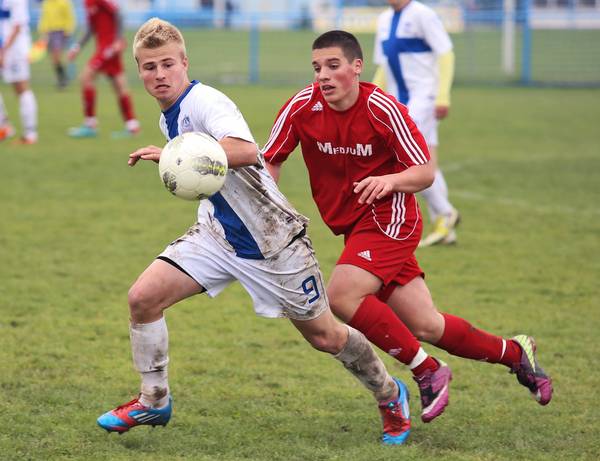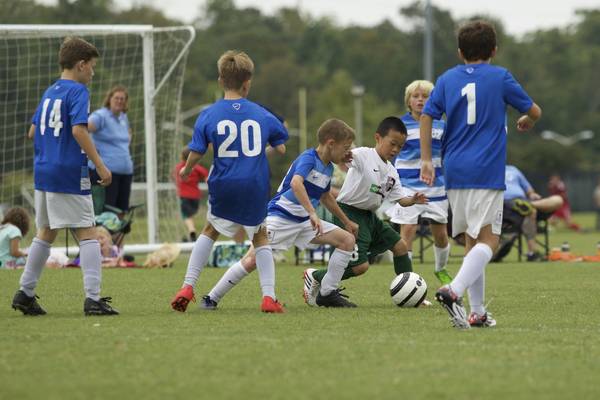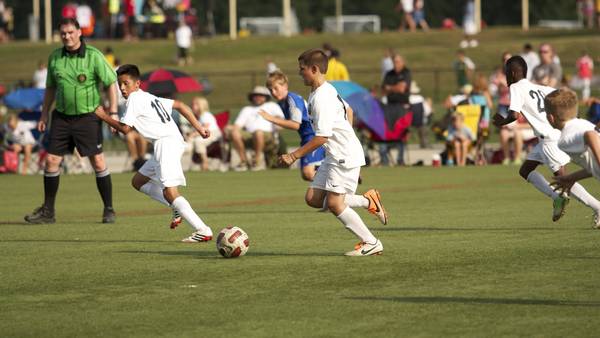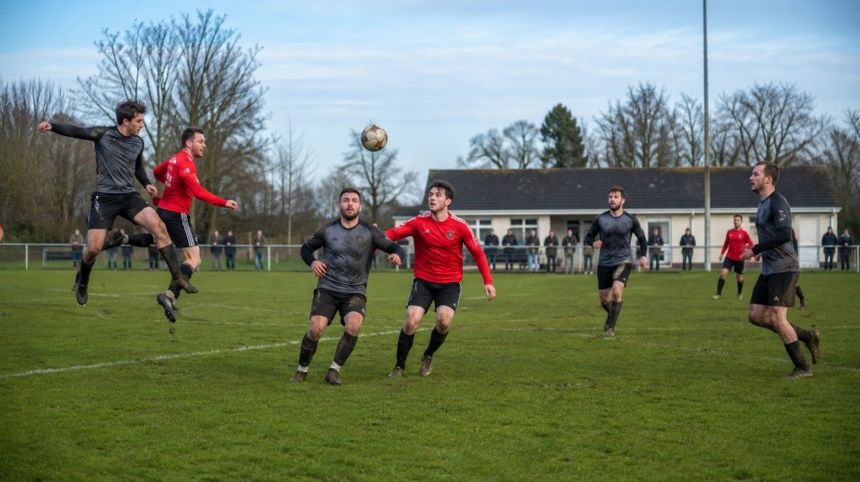

A centre-back heads away a long goal kick, but the clearance drops to an unmarked opponent. Ten seconds later, the defending team faces a shot. The aerial duel looked successful; the complete sequence was not.
Second balls show whether a team can support the first challenge, anticipate the rebound and use the recovery. Adult grassroots sides can record them without GPS vests or a dedicated analyst.
Start With a Clear Definition
A second ball is the next contest after an initial contact leaves possession unresolved. Triggers include a headed duel, partial clearance, goalkeeper’s punch, block or heavy touch.
The statistic should not include every loose pass. A deliberate pass establishes possession; a deflection into a crowded area can create a second-ball event.
Consistency matters more than building a perfect definition. A team that changes the rule every week will produce numbers that cannot be compared.
Record the Event Before the Pattern Disappears
Each round in online pokies creates a separate record containing the stake, result and any payout credited to the balance. Session history preserves those individual events instead of displaying only the final total. An adult football team applies the same event-by-event discipline to second balls, recording each contest before the pattern disappears inside the scoreline.
A 2–1 defeat might feel like a finishing problem, yet both goals may follow lost recoveries in the defensive third. That evidence redirects training towards compactness and reaction.
Five Details Are Enough
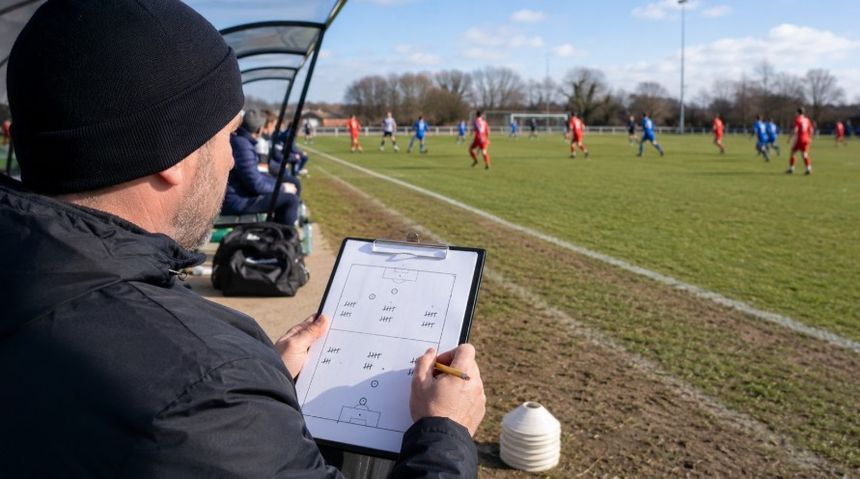
One substitute or assistant can collect the information with a phone or clipboard. The record needs five details:
-
Minute: the approximate time identifies periods when concentration or physical output declined.
-
Area: defensive third, middle third or attacking third provides sufficient location detail.
-
First contact: note whether the sequence began with a header, clearance, punch, block or poor control.
-
Winner: record the team and, when practical, the individual player collecting the ball.
-
Next action: controlled pass, clearance, dribble, foul, shot or immediate turnover explains whether the recovery created value.
Body orientation, pressure and pass length can be reviewed later when video is available.
Positioning Often Decides the Contest
Second balls are called a test of desire, but position comes first. A midfielder five metres behind the aerial duel can attack the drop; one alongside the striker must turn and chase.
When the team plays directly, central midfielders should narrow towards the projected landing zone. The far-side winger can move inside while a defender covers a longer ball.
The FIFA Training Centre’s analysis of corner defending identifies edge-of-box and rest-attack roles responsible for second balls. Its 2025 Club World Cup study found that player-marking systems produced the fewest corners continuing into later phases, partly because more players occupied recovery positions.
The principle also applies to Sunday League free-kicks, throw-ins and goal kicks: the first header needs a structure around it.
Winning the Ball Is Only Half the Measurement
A recovery followed by an uncontrolled clearance differs from one that begins an attack, so the next action belongs in the record.
Useful outcome labels include:
-
retained through a completed pass;
-
progressed into the next third;
-
created a shot or penalty-area entry;
-
lost immediately under pressure;
-
cleared without controlled possession;
-
conceded a foul.
Suppose an adult side wins 18 of 32 recorded second balls. The 56% recovery rate appears positive, but nine of those 18 possessions are surrendered with the next action. The more useful figure is nine controlled recoveries, or 28% of all logged contests.
Break the Match Into Short Periods
Dividing the record into 15-minute periods shows whether the team started slowly, lost compactness after half-time or improved following a substitution.
A side defending a late lead may face more long deliveries in its own third. A lower percentage may reflect that tactical change rather than fatigue.
The count needs context. “Lost five consecutive central second balls after the opposition introduced a target forward” is more useful than “midfield lacked effort”.
Turn the Finding Into a Training Constraint
A compact 6v6 exercise can begin with an aerial ball into a central duel. A point is awarded only when the recovery is followed by a completed pass.
Midfielders can begin too wide, then narrow by several metres for the next repetition. The comparison shows whether spacing creates more controlled recoveries.
Goalkeeper distributions towards a target player can also test team-mates’ movement before the first contact.
Keep the Measure Stable for Several Matches
One fixture provides examples, not a team profile. Five or six games show whether the issue repeats against different opponents.
TeamStats can store match notes, while a basic spreadsheet totals recoveries by zone and period. The categories must remain stable.
Goals, assists and possession describe visible outcomes. Second-ball records capture the work connecting one phase with the next. For an adult grassroots team with limited time and staff, that makes them one of the cheapest statistics capable of producing a specific coaching decision.
The method also remains simple enough to repeat every weekend without distracting the manager during the match.