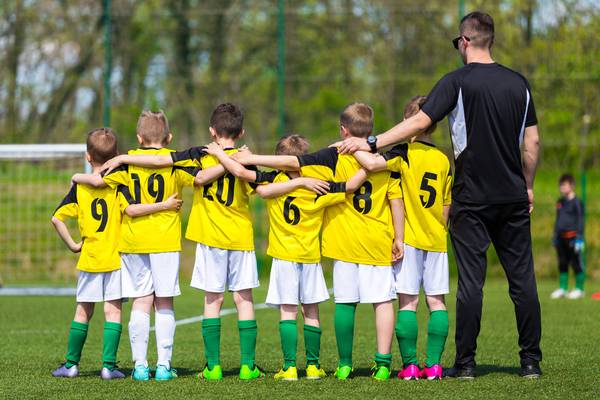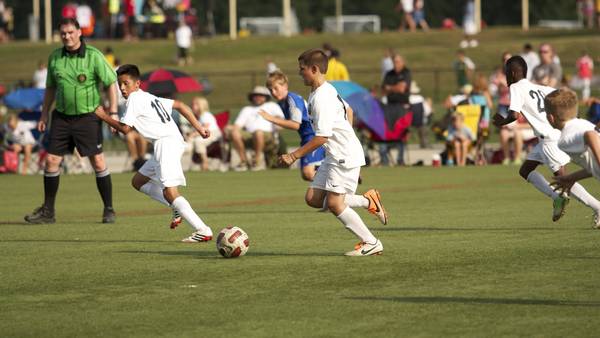
Grassroots football has come a long way from the loosely organised amateur clubs of a century ago, and today more than a million people work or volunteer across the game in England alone.
It remains one of the most significant community institutions in the country, although the question increasingly being asked is whether the foundations are strong enough to sustain what is being built on top of them.
The Challenges Facing Clubs
The day-to-day reality for most grassroots clubs is persistent financial strain, and recent research makes the scale of that strain clear.
According to the FORZA State of Grassroots Football Report 2025, 72% of clubs do not feel they have enough funding to sustain their activities, 58% are using worn-out kit and equipment, and more than half cite volunteer shortages as a major barrier to growth.
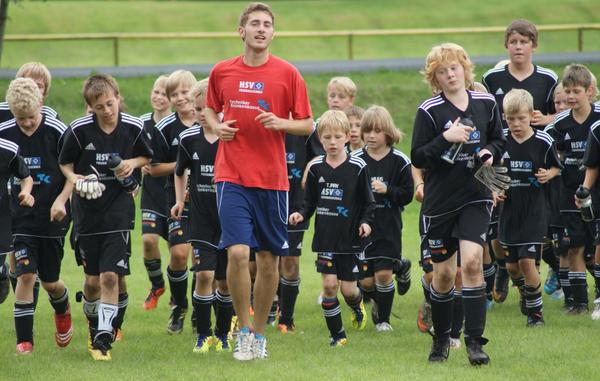
Despite 94% of clubs relying entirely on unpaid staff to function, new volunteers are increasingly difficult to attract and retain.
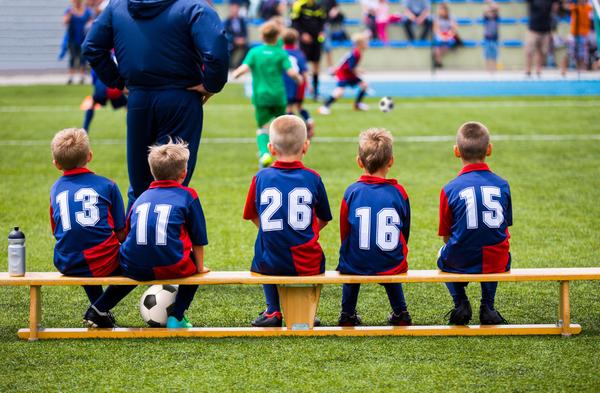
The same report found that 58% of clubs don't have enough equipment to operate effectively, with 38% even lacking sufficient training bibs.

Growth And Gaps in the Women's Game
Nowhere is the tension between ambition and resource more visible than in the women's and girls' game. Football is now the top participation sport for women and girls in England, a position accelerated by the Lionesses' back-to-back EURO victories in 2022 and 2025.
Yet research from Starling Bank's Kick On initiative found that 76% of female grassroots players expect to quit within five years without fresh funding, 40% say their team receives less financial support than male sides, and girls and women spent an average of £212 of their own money on essentials over the past year.
While difficulties exist in male-centred grassroots clubs, the gap between male and female equipment is even more pronounced.
According to guidance from comfort footwear specialists Gentle Grip and the Royal College of Podiatry: "The vast majority of football boots are designed with the male anatomical structure in mind, resulting in altered fit for female players. Recent studies have highlighted the gender-based issues seen in football as there are differences between the anatomical structure of female and male feet."
They also note that "football boot designers at a variety of companies are now addressing this issue with gender specific designs. Astroturf versus grass surfaces can also impact on the forces through the feet, and specific boots are available for use on artificial surfaces."
The Pitch Problem
It’s not just equipment either, funding pressures facing clubs are also reflected in the state of the facilities they play on.
The FA has identified a shortfall of at least 2,000 artificial grass pitches and 12,000 grass pitches needed to meet current demand, with EURO 2028 on home soil adding urgency to a problem that has been building for years.
The government has committed £400 million to grassroots facilities through to 2027 in response, with the tournament widely expected to drive another significant participation surge at community level.
The 196% surge in searches for female football playing opportunities the day after the Lionesses' EURO 2025 final gives a clear indication of what a home tournament could generate across the men's and women's game, and the infrastructure needs to be ready before that wave arrives.
Looking Ahead
Grassroots football has always found a way to survive on goodwill and commitment, but what the next few years will test is whether goodwill alone is still enough, or whether the structural investment needed to match the game's growing ambitions will finally arrive in time.