An amateur side does not need a data lab to learn from numbers. A clipboard, a phone, and one calm parent on the touchline will do. Match statistics turn foggy memories into plain facts, especially after a 3-2 loss where every player remembers a different story.
For small clubs, the lesson reaches beyond football. Coaches already teach teenagers how to check sources, compare claims, and spot risk. That habit helps a secretary read sponsor pitches during Monday admin night, when the committee reviews shirt adverts, raffle links, and travel money with the same cool head about secure gambling platforms before Online Casino im Ausland spielen and explain withdrawal limits. The point is media literacy, not betting. If a player says he wants to play in the best casinos at https://summitkoncepcebim.cz/ because it accepts Czech players, the coach should pull the chat back to training choices. That same filter helps after a match too. A parent may mention an international online casino called casina online cz for Czech players, yet the club's real interest should be shots, corners, tackles, and minutes.

The scoreboard misses half the match
Score lines are blunt. A 4-1 win can hide ten sloppy clearances, while a 1-0 defeat can include the cleanest passing spell the squad has played all month. Amateur football is full of noise: late arrivals, uneven pitches, borrowed keepers, and refs who have never met the teams before.
Basic match stats cut through that noise. Shots on target show whether pressure became danger. Pass completion in the middle third tells a coach if the midfield actually linked play or just chased second balls. Lost duels near the box point to tired legs, poor spacing, or both.
One number rarely tells the truth.
A coach who marks ten columns during a Sunday league match will see patterns by Tuesday. Three offsides in the first 20 minutes? The striker is keen, but the timing is off. Eight corners and no header won? Training needs near-post runs, blockers, and one player brave enough to attack the six-yard line.
Training plans built on what actually happened
Guesswork wastes Tuesday night. If the team lost because wide players were pinned back, a session on finishing from 18 yards misses the problem. Stats stop that drift.
A simple sheet can track five items: shots, entries into the box, turnovers in the defensive third, fouls, and substitutions. It sounds plain because it is. The value sits in the repeat record. After four matches, the coach knows if the left side concedes more crosses after minute 60 or if the centre forward gets fewer touches when the pitch is narrow.
Players accept feedback faster when it is tied to moments they remember. Tom completed 6 of 14 passes under pressure lands better than Tom was careless. It feels fair.
The next drill then has a reason. Two-touch rondos for midfielders. Recovery runs for fullbacks. Set-piece marking with names, zones, and one clear job for the player on the post.
Fair selection without dressing-room drama
Selection is where amateur teams get emotional. Someone works nights. Someone pays subs early. Someone brings the nets every week and still wants 90 minutes. Numbers do not remove judgement, but they make the talk less personal.
Minutes played, attendance, sprint efforts, defensive actions, and errors leading to shots give the manager a clean starting point. If two centre backs are close, the one who has won 68 percent of aerial duels across six matches has a real case. If a winger has missed three training sessions, the assists column does not erase that absence.
Short records protect quieter players as well.
The fullback who never shouts may be stopping six attacks a game. The substitute who plays 22 minutes may press harder than the starter did in the first hour. A notebook catches those details before the loudest voice shapes the story.
This matters with young squads. Under-15 players learn that effort, roles, and repeat actions count. Popularity counts less.
Keeping volunteers sane on match day
Most amateur clubs run on favors. One person washes kit, one paints lines, one enters scores into the league app while a toddler steals the corner flags. Any data system that adds two hours of admin will die by November.
So the best stats list is short. Ten event buttons in an app such as Veo Live, Once Sport, or a shared Google Sheet are enough for most sides. Shot, target, goal, assist, foul, card, corner, save, turnover, substitution. That is plenty.
Paper still works.
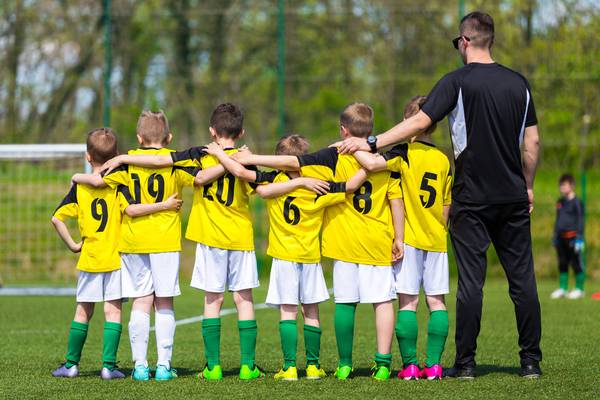
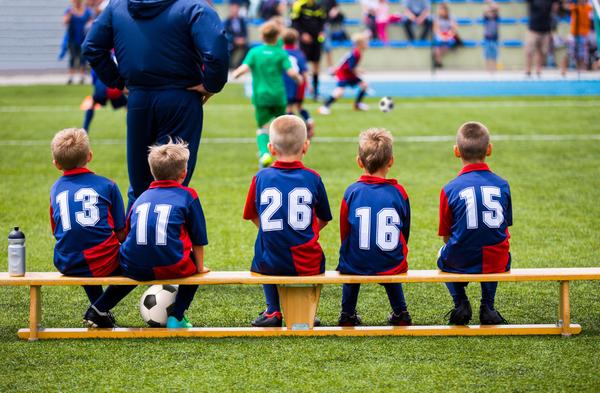
The trick is assigning jobs before kick-off. A benched player can count corners. An injured goalkeeper can mark shots. A parent with a decent view can note substitutions and minutes. After the whistle, the coach photographs the sheet and drops it into the team chat before muddy boots reach the car park.
Small habits keep the record alive. Same columns. Same abbreviations. Same person checking totals by Monday lunch.
Parents, sponsors, and proof of progress
Adults around a club want signs that effort is paying off. A league table gives one answer, but it punishes teams that are learning a new shape or playing up an age group. Match stats show progress earlier.
A girls' under-13 side might lose 5-2 in September and 3-1 in October against the same opponent. The score is still red ink. The numbers may show a jump from two shots to nine, five completed passes in the final third to 18, and fewer panicked clearances after goal kicks. That is real movement.
Sponsors like proof as well.
A local builder who pays for rain jackets does not need a glossy report. A half-page update with attendance, games played, and player development notes gives him something to put on the office wall. Parents appreciate the same tone. They see that coaching is planned, not improvised.
Stats also calm social media. Instead of posting unlucky today, a club can write, Twelve shots, four academy debuts, and a first clean sheet for Sam. Specific beats syrupy.
Turning numbers into next week's work
Good statistics should end in action, not a spreadsheet museum. The manager picks one theme, then leaves the rest alone until it matters. If the side allowed 14 shots but 11 came from outside the box, the defence may be fine. If five came after loose passes by the same midfielder, Tuesday has its topic.
Video helps, even if the clip is grainy. A 12-second replay of a lost marker teaches more than a five-minute speech. Pair the clip with the number, ask the player what he saw, and keep the tone calm. Nobody improves while being roasted in front of friends.
The best amateur teams keep stats human. They track enough to learn, not enough to turn Saturday into homework. They share numbers with players in small pieces: one target before kick-off, one note at half-time, one message the next day.
A club can start this weekend with four columns on paper: shots on target, corners won, turnovers near its own box, and minutes played. Add weather and pitch size later, but only if the first sheet survives three weeks. Who will hold the pen?