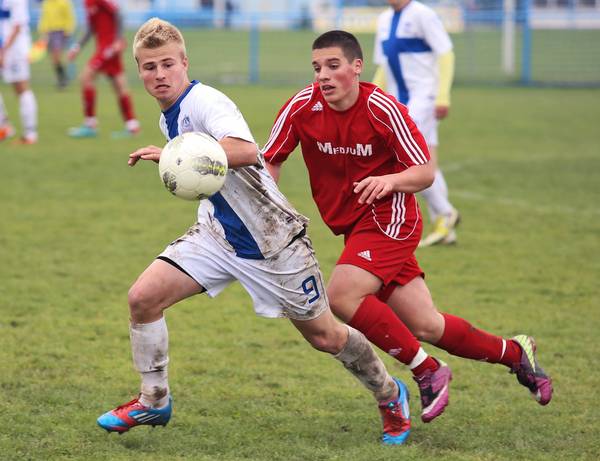

Grassroots football managers often watch critical moments slip by unmeasured. A midfielder dominates possession, a defender makes five crucial interceptions, or a striker's movement creates space all match - yet none of this gets recorded because the manager is busy shouting instructions, organising substitutions, and checking the time.
The challenge isn't whether match data matters. Every manager knows that tracking performance helps with team selection, tactical adjustments, and player development conversations. The problem is practical: how does a volunteer manager, often working alone on a touchline, actually collect football stats without missing the game itself?
The answer lies in systems that work with grassroots football's reality, not against it. This means choosing what to measure carefully, using tools that don't require constant attention, and building habits that make data collection automatic rather than burdensome.
Why Match Data Matters at Grassroots Level
Professional clubs employ entire analysis teams to track every pass, sprint, and tactical movement. Grassroots managers don't need that level of detail, but they do need enough information to make informed decisions.
Practical Purposes of Match Data Collection
Match data serves three practical purposes. First, it provides objective evidence for team selection decisions. When a parent questions why their child isn't starting, pointing to concrete statistics about work rate, defensive actions, or passing accuracy makes the conversation factual rather than subjective. Second, data reveals tactical patterns that aren't obvious during the heat of a match. A team might feel dominant but the numbers show they're only creating half-chances, or a player seems quiet but actually completed 90% of their passes under pressure. Third, tracking performance over time shows genuine development, which motivates young players more effectively than vague praise.
Focusing on Practical Metrics
The key word is "practical." Grassroots managers need data that takes minimal effort to collect football stats but delivers maximum insight. This means focusing on metrics that actually influence decisions rather than recording everything possible.
What Statistics Actually Matter
Professional analysis tracks hundreds of data points per match. Grassroots football needs perhaps a dozen, chosen specifically because they inform real decisions managers face every week.
Fundamental Metrics Worth Tracking
Goals and assists remain fundamental, but context matters more than raw numbers. A striker scoring tap-ins from good movement deserves credit differently than one taking speculative long shots. Recording shot locations and types provides that context without requiring complex notation systems.
Defensive actions often go unnoticed but determine match outcomes. Tracking interceptions, tackles won, and clearances highlights players who consistently break up opposition attacks. Many grassroots football teams undervalue defensive work because it's less visible than attacking play, but the data tells a different story.
Passing completion rates reveal which players maintain possession under pressure and which give the ball away in dangerous areas. This doesn't require counting every pass - sampling five-minute periods throughout the match provides sufficient insight. A midfielder completing 80% of passes in the first and last fifteen minutes shows composure when fresh and when tired.
Positional Discipline and Work Rate Indicators
Positional discipline matters especially in youth football, where players often chase the ball rather than holding their shape. Recording how often players are caught out of position during opposition attacks identifies tactical understanding gaps that training can address.
Work rate indicators like distance covered or number of sprints help distinguish between players who appear busy and those who actually cover ground effectively. A winger making five purposeful runs into dangerous positions contributes more than one making twenty aimless runs.
The Importance of Consistency
The specific metrics matter less than choosing a consistent set and tracking them every match. Consistency enables comparison over time, which is where the real value emerges.
Practical Collection Methods During Matches
The traditional clipboard-and-pen approach works if the system is simple enough. Create a single-page form with player names down the left side and key statistics across the top. Use tally marks for countable actions and simple codes for events that need context. This method costs nothing and works in any weather, but it requires discipline to maintain focus on recording rather than getting absorbed in the match.
Voice Recording Alternative
Voice recording offers an alternative that keeps eyes on the pitch. Speak observations into a phone throughout the match, then transcribe key points afterwards. This captures context better than tally marks - "Number seven makes third interception in our defensive third, wins ball cleanly and starts counter-attack" provides richer information than a tick in a box. The downside is transcription time after the match, though voice-to-text software reduces this burden.
Delegating to Assistant Managers or Parent Volunteers
Dedicated assistant managers or parent volunteers can handle data collection if given clear instructions. The key is defining exactly what to record and providing a simple system they can use without constant questions. A parent tracking their own child's performance often overestimates positive actions and underestimates mistakes, so rotating data collectors between matches maintains objectivity.
Football Coaching Apps for Streamlined Collection
Football coaching apps designed for grassroots use streamline the entire process by providing pre-built templates for common statistics, allowing quick taps or swipes to record actions without looking away from the pitch for more than seconds. These tools automatically compile data into readable formats, eliminating post-match transcription work.
Building Sustainable Data Collection Habits
Starting with ambitious plans to track everything usually leads to tracking nothing after a few matches. The effort feels overwhelming, especially during tense games when concentration naturally focuses on tactical adjustments rather than record-keeping.
Starting Small and Expanding Gradually
Begin with three statistics that directly inform decisions the manager makes regularly. For a team struggling defensively, track tackles won, interceptions, and clearances. For a team that dominates possession but doesn't score, track shots on target, key passes, and final-third entries. After three or four matches, these become automatic to record, and adding one or two more metrics feels manageable.
Consistency Mattering More Than Comprehensiveness
Consistency matters more than comprehensiveness. Recording five statistics every match for a season provides more useful insight than recording twenty statistics for three matches before abandoning the effort. The data's value comes from trends over time, not detailed snapshots of individual performances.
Post-Match Routines Cementing the Habit
Post-match routines cement the habit. Spend ten minutes immediately after each game reviewing the data collected, noting obvious patterns, and identifying one or two talking points for the next training session. This immediate application reinforces why the collection effort matters, which maintains motivation for continuing the practice.
Using Technology Without Becoming Overwhelmed
Technology solves many practical problems when attempting to collect football stats, but introduces new challenges around complexity and learning curves. The right approach balances capability with usability.
Simple Spreadsheet Templates
Simple spreadsheet templates work well for managers comfortable with basic Excel or Google Sheets skills. Create columns for each statistic, rows for each player, and use conditional formatting to highlight standout performances automatically. This approach costs nothing and offers complete customisation, but requires setup time and doesn't work well during matches unless someone else handles the input.
Specialist Team Management Apps
Specialist team management apps designed specifically for grassroots football provide the ideal middle ground. These platforms understand the constraints volunteer managers face - limited time, minimal technical expertise, and need for mobile-friendly interfaces that work pitchside. Features like one-tap stat recording, automated performance summaries, and season-long trend analysis deliver professional-level insights through grassroots-appropriate interfaces.
Data protection should also form part of the selection process. Before entering player details, payment information or other sensitive data, managers should confirm who operates the platform and how information is protected. The same principle applies across digital services. In online gaming, for example, users might consult a guide to finding a Pg soft official partner rather than rely on an unverified platform. Football managers should exercise similar care, particularly when an app stores information about children or young players.
Critical Factor: Reducing Workload
The critical factor is choosing tools that reduce workload rather than adding to it. Any system requiring more than thirty seconds to record a typical match event will get abandoned under pressure. Test potential solutions during training sessions before committing to match-day use.
Turning Data Into Actionable Insights
When attempting to collect football stats, the numbers mean nothing unless the information influences actual decisions. The gap between raw numbers and useful insights requires interpretation skills that develop with practice.
Comparing Players in Similar Positions
Compare players in similar positions rather than across the entire team. A centre-back's passing completion rate of 75% might seem poor until recognising they attempt more long passes to start attacks, whilst a midfielder's 85% rate comes from safer short passes. Context transforms numbers from abstract figures into meaningful comparisons.
Tracking Trends Over Multiple Matches
Track trends over multiple matches rather than reacting to single-game performances. A striker having a quiet match might be experiencing an off day, or might be showing a pattern of struggling against physical defenders. Three or four matches of data reveal patterns that single matches hide.
Using Statistics to Start Conversations
Use statistics to start conversations, not end them. When a player's defensive actions drop over three consecutive matches, that's a prompt to ask whether they're carrying a minor injury, feeling unmotivated, or struggling with tactical instructions. The data identifies the question; the conversation provides the answer.
Sharing Age-Appropriate Feedback
Share relevant statistics with players in age-appropriate ways. Younger players respond better to simple metrics like "you won the ball back seven times today" than complex tactical analysis. Older youth players can handle more detailed feedback about positioning patterns or decision-making trends, but the focus should remain on development rather than criticism.
Common Mistakes to Avoid
Tracking too many statistics dilutes focus and creates information overload. Professional clubs can analyse hundreds of metrics because they have dedicated staff and sophisticated software. Grassroots managers need sharp focus on the few statistics that actually inform their specific decisions.
Recording Data Inconsistently
Recording data inconsistently makes comparison impossible. Missing matches or tracking different statistics week-to-week produces a fragmented picture that reveals little. Better to track three metrics consistently all season than ten metrics sporadically.
Letting Collection Distract From Match Management
Letting data collection distract from match management defeats the entire purpose. If recording statistics means missing a tactical adjustment opportunity or failing to notice a player carrying an injury, the data isn't worth collecting. The manager's primary job is managing the team in real-time; data collection must support that role, not interfere with it.
Comparing Grassroots Stats to Professional Benchmarks
Comparing grassroots statistics to professional benchmarks sets unrealistic expectations. Youth players won't match professional passing completion rates or distance covered figures, and trying to hold them to those standards creates frustration. Compare players to their own previous performances and to peers at similar development stages.
Integrating Data Collection Into Match-Day Routines
Successful efforts to collect football stats become part of the natural match-day rhythm rather than an additional burden. This requires building specific habits around when and how to record information.
Pre-Match Preparation
Pre-match preparation includes setting up whatever recording system the manager uses - whether that's a clipboard with the team sheet and statistics template, a phone with voice recording ready, or a football team app opened to the match statistics screen. Having tools ready before kick-off eliminates fumbling during the game.
During-Match Recording Triggers
During the match, establish specific triggers for recording data. Rather than trying to note everything continuously, focus on natural breaks - goals, substitutions, injuries, and half-time. During these moments, quickly record accumulated observations. For continuous statistics like passing completion or defensive actions, sample three or four five-minute periods spread throughout the match rather than attempting full-game tracking.
Half-Time Review and Tactical Adjustments
Half-time provides the longest opportunity to review accumulated data and note patterns emerging during the first half. This information can inform tactical adjustments for the second period, demonstrating immediate practical value that reinforces the collection habit.
Post-Match Completion of Records
Post-match, spend five to ten minutes completing any partial records whilst the game remains fresh in memory. Details fade quickly, so capturing observations immediately after the final whistle ensures accuracy. This doesn't mean writing extensive match reports - just filling gaps in the statistical record and noting one or two key observations about overall performance.
Building a Season-Long Performance Picture
Individual match statistics gain meaning when viewed across multiple games. Patterns emerge that single performances hide, revealing genuine strengths, persistent weaknesses, and development progress.
Monthly Reviews of Accumulated Data
Monthly reviews of accumulated data show whether tactical changes are working, which players are improving, and where the team consistently struggles. A defender whose interception numbers steadily increase over two months demonstrates growing positional awareness. A midfielder whose passing completion rate drops in the second half of matches might need fitness work.
Season-Long Tracking for Development Conversations
Season-long tracking enables objective player development conversations with parents and players themselves. Rather than vague statements about improvement, managers can point to specific metrics showing progress. This evidence-based approach builds trust and helps players understand their development trajectory.
Historical Data Informing Future Planning
Historical data also informs future team selection and tactical planning. Knowing which players performed well against specific opponents or in particular conditions helps preparation for return fixtures. Understanding which tactical approaches generated the most chances against different defensive styles guides training focus.
Making Data Collection Sustainable Long-Term
The difference between managers who maintain consistent data collection and those who abandon it after a few matches comes down to sustainability. Systems must fit naturally into existing routines rather than requiring significant additional time or effort.
Start Minimal and Expand Gradually
Start minimal and expand gradually. Three statistics tracked consistently beat ten tracked sporadically. Once the initial metrics become habitual, adding one or two more feels manageable rather than overwhelming.
Delegating Where Possible
Delegate where possible. Assistant managers, parent volunteers, or older youth players can handle basic data collection if given clear instructions and simple systems. This distributes the workload and maintains consistency even when the main manager needs to focus entirely on tactical management during crucial matches.
Using Tools Designed for Grassroots Football
Use tools designed specifically for grassroots football rather than adapting professional systems. TeamStats understands the constraints volunteer managers face and builds features around those realities - quick input methods, mobile-friendly interfaces, and automated analysis that delivers insights without requiring statistical expertise.
Reviewing and Adjusting the Approach
Review and adjust the approach periodically. If certain statistics never inform actual decisions, stop tracking them. If new questions keep arising that available data can't answer, consider adding relevant metrics. The system should evolve based on what proves useful in practice.
Conclusion
Collecting match data efficiently during games isn't about recreating professional analysis systems at grassroots level. It's about capturing enough information to make better-informed decisions about team selection, tactical adjustments, and player development without adding unsustainable workload to already time-pressed volunteer managers.
The key principles are focus, consistency, and integration. Focus on the few statistics that directly inform regular decisions rather than trying to track everything. Maintain consistency by choosing sustainable collection methods that work every match, not just when conditions are ideal. Integrate data collection into natural match-day routines rather than treating it as a separate task requiring dedicated time.
Technology helps significantly when chosen appropriately. Simple tools designed specifically for grassroots football remove friction from the collection process, automate compilation and analysis, and deliver insights in accessible formats. The right system becomes invisible - it supports better management without demanding attention that should focus on the match itself.
Start small, build habits gradually, and let practical value drive continued effort. Track three statistics that matter to specific current challenges. After a month, the routine becomes automatic and adding more metrics feels natural rather than burdensome. Within a season, the accumulated data provides genuine insight into team and individual development that transforms how managers approach selection, tactics, and player conversations.
Match data collection works at grassroots level when it serves the manager's actual needs rather than attempting to replicate professional analysis. Keep it simple, keep it consistent, and keep it focused on questions that matter to the team's development. The result is better decisions based on evidence rather than impression, and players who understand their progress through concrete measures rather than vague feedback.
═══════════════════════════════════════════════════════════════