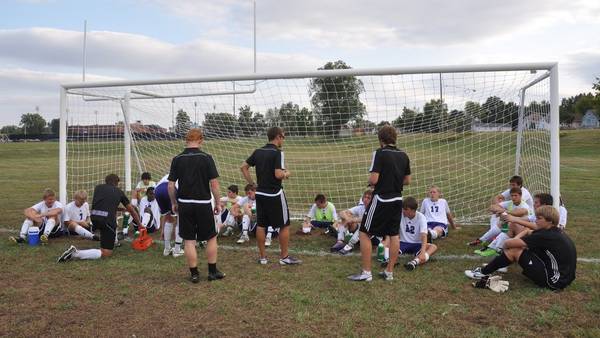

Managing a grassroots football team involves far more than turning up on match day with a bag of footballs and a team sheet. Behind every successful youth team sits a network of coaching staff who need to coordinate training plans, player development strategies, match day responsibilities, and ongoing communication with parents. When this coordination breaks down, the consequences ripple through the entire team - sessions lack coherence, players receive mixed messages, and opportunities for development slip through the gaps.
The challenge intensifies when coaching teams operate across different locations, work varying schedules, and juggle volunteer commitments alongside full-time employment. A head coach might plan a technical session focused on passing combinations, only to discover the assistant coach spent the previous week drilling shooting practice, creating no progression in the training programme. Match day arrives, and nobody knows who's responsible for bringing the first aid kit, recording attendance, or communicating with the referee.
Modern coach communication tools have transformed how coaching staff coordinate their efforts, moving beyond fragmented WhatsApp threads and missed text messages towards structured systems that keep everyone aligned. The difference between a coaching team that communicates effectively and one that doesn't shows immediately in training quality, player development outcomes, and the overall experience for young footballers.
The Hidden Cost of Poor Coaching Coordination
Walk into any grassroots football club on a Saturday morning, and the signs of communication breakdown become immediately apparent. One coach arrives expecting to lead a possession-based session, whilst another has prepared small-sided games focused on defensive transitions. Players sense the confusion, parents notice the lack of organisation, and the training session descends into an improvised hour that serves nobody's development.
Common Communication Breakdown Patterns
These coordination failures stem from several common patterns. Coaching staff often rely on informal communication channels - a quick chat after training, a text message sent late at night, or assumptions about who's handling specific responsibilities. When coaches miss these informal exchanges, critical information disappears. The assistant coach doesn't know that three players will miss Saturday's fixture. The goalkeeper coach hasn't heard that the head coach wants to implement a new build-up pattern. The team manager remains unaware that the coaching staff have identified a player requiring additional support.
The impact extends beyond logistical confusion. Players suffer when coaches deliver contradictory technical advice or tactical instructions. A young defender receives guidance from one coach to play aggressively and step into midfield, whilst another coach emphasises holding position and staying compact. Without coordinated communication, coaching staff cannot deliver the consistent messages that underpin effective player development.
The Impact on Player Development and Volunteer Time
Time waste represents another significant cost. Volunteer coaches already sacrifice evenings and weekends to support grassroots football. When poor coordination forces them to repeat conversations, clarify misunderstandings, or fix preventable mistakes, that precious volunteer time evaporates. A team management app centralises information and reduces the hours coaching staff spend chasing updates and coordinating logistics.
Creating a Communication Framework That Actually Works
Effective coaching coordination doesn't emerge accidentally - it requires deliberate structure and agreed protocols. The most successful coaching teams establish clear communication frameworks that define how information flows, who holds responsibility for specific decisions, and which channels serve different purposes.
Mapping Communication Needs Across the Training Week
Start by mapping the communication needs across a typical training week. Coaching staff need to coordinate session planning, discuss individual player development, manage match day logistics, communicate with parents, and handle administrative tasks. Each of these areas requires different communication approaches and timelines.
Session planning demands collaborative discussion well before training begins. Coaching staff should review the upcoming week's sessions at least 48 hours in advance, allowing time for preparation and resource gathering. This planning conversation covers the technical focus, tactical objectives, physical load management, and how the session connects to recent matches and future fixtures. When coaching staff align on these elements early, training sessions flow coherently and build progressive development.
Player Development Discussion Protocols
Player development discussions require regular, structured time. Establish a monthly review where coaching staff assess each player's progress, identify areas requiring additional support, and coordinate development strategies. These conversations prevent situations where one coach pushes a player towards defensive roles whilst another sees attacking potential. Coordinated player development ensures young footballers receive consistent guidance aligned to their individual needs.
Match Day Coordination Clarity
Match day coordination demands precise clarity about responsibilities. Establish a pre-match protocol that confirms team selection, tactical approach, substitution strategy, and logistical arrangements. Coaching staff should know exactly who manages equipment, coordinates warm-ups, communicates with officials, and handles parent queries. This clarity eliminates match day confusion and allows coaches to focus on supporting players.
Choosing the Right Communication Channels
The proliferation of communication platforms creates both opportunities and challenges for coaching coordination. WhatsApp groups, text messages, email chains, video calls, and face-to-face meetings each serve specific purposes, but using too many channels fragments communication and ensures important information gets lost.
Establishing a Primary Communication Platform
Successful coaching teams establish a primary communication platform that serves as the single source of truth. Coach communication tools should accommodate different communication needs - quick updates, detailed planning discussions, document sharing, and information archiving. When coaching staff know where to find information and where to share updates, communication becomes dramatically more efficient.
WhatsApp Groups: Benefits and Limitations
WhatsApp groups dominate grassroots football communication, but they present significant limitations for coaching coordination. Messages disappear in busy threads, important decisions get buried beneath casual chat, and new coaches joining the team cannot access historical context. WhatsApp works effectively for immediate, time-sensitive communication - confirming arrival times, sharing last-minute pitch changes, or coordinating emergency situations. It fails as a planning tool or information repository.
Dedicated Coach Communication Tools
Dedicated coach communication tools provide structured alternatives that address WhatsApp's limitations. Football coaching apps organise communication around specific functions - session planning, player development tracking, availability management, and match day coordination. Information remains accessible and searchable, allowing coaching staff to reference previous decisions and maintain continuity across seasons.
The Continued Value of Face-to-Face Communication
Face-to-face communication still holds immense value, particularly for complex discussions about player welfare, tactical philosophy, or resolving disagreements within the coaching team. Schedule regular in-person meetings, even if brief, to maintain personal connection and address topics that benefit from nuanced conversation. These meetings complement rather than replace digital coach communication tools.
Coordinating Training Session Planning
Training session coordination represents one of the most critical communication challenges for coaching staff. Effective sessions require agreement on technical focus, tactical objectives, organisation, and how each coach contributes to delivery. Without this coordination, sessions feel disjointed and players receive inconsistent development experiences.
Establishing Planning Rhythms That Work
Establish a session planning rhythm that works for the coaching team's schedules. Some teams plan week-by-week, reviewing upcoming sessions every Monday evening. Others prefer monthly planning that maps the entire training block, allowing coaches to see progression and prepare resources in advance. The specific rhythm matters less than consistency and ensuring all coaching staff participate in planning discussions.
Key Elements of Session Planning Conversations
Session planning conversations should address several key elements. First, identify the primary technical or tactical focus based on recent match observations and the season's development priorities. Second, discuss how the session progresses from warm-up through technical practices to game-related scenarios. Third, clarify each coach's role during different session segments. Fourth, confirm equipment requirements and pitch arrangements. Finally, anticipate potential challenges and agree on adaptations if weather, attendance, or other factors require adjustments.
Documenting Session Plans for Team Access
Document these planning decisions in a shared location accessible to all coaching staff. Written session plans prevent misunderstandings and provide reference points during delivery. They also create valuable records that coaching teams can review and refine across seasons, building a library of effective practices.
Communication Protocols During Training Delivery
Communication during training sessions requires equal attention. Coaching staff should establish protocols for providing feedback to players, managing behaviour, and adjusting activities. When multiple coaches deliver contradictory instructions or undermine each other's decisions, players become confused and the learning environment deteriorates. Agree on how coaches will support each other during sessions, when to intervene, and how to present a unified approach.
Managing Match Day Communication
Match days test coaching coordination like nothing else. The pressure of competition, emotional intensity, and time constraints compress communication into brief windows where clarity becomes essential. Coaching teams that coordinate effectively transform match days from chaotic scrambles into organised experiences that support player development.
Pre-Match Coordination (24 Hours Before Kick-Off)
Pre-match coordination should begin at least 24 hours before kick-off. Coaching staff need to align on team selection, tactical approach, substitution strategy, and individual player objectives. These decisions require input from all coaches who work with the team, ensuring selection considers training performance, development needs, and match requirements.
Defining Match Day Responsibilities
Establish a pre-match communication protocol that confirms logistical arrangements. Who arrives early to set up? Who manages the warm-up? Who communicates with match officials? Who coordinates with the opposition? Who handles parent queries? When coaching staff know their specific responsibilities, match days run smoothly and coaches can focus on supporting players rather than firefighting organisational problems.
Half-Time Communication Processes
Half-time presents a critical communication window that coaching teams often waste through poor coordination. Establish a clear process for half-time discussions - who speaks first, how long each coach has, what key messages need emphasis. Players benefit from concise, coordinated feedback rather than multiple coaches competing for attention with contradictory observations.
Post-Match Debriefs While Observations Are Fresh
Post-match communication deserves equal structure. Schedule a brief coaching team debrief shortly after the final whistle, whilst observations remain fresh. Discuss what worked tactically, which players demonstrated development, what requires attention in upcoming training, and how the match informs future selection and planning. These immediate debriefs capture insights that disappear if left until the next training session.
Coordinating Player Development Strategies
Individual player development requires sustained, coordinated effort from all coaching staff. When coaches work in isolation, players receive fragmented support that fails to build coherent development pathways. Coordinated coaching teams track player progress systematically, align development strategies, and ensure every young footballer receives consistent guidance.
Regular Player Progress Review Cycles
Establish a player development review cycle that brings coaching staff together regularly to discuss individual progress. Monthly reviews work effectively for most grassroots football teams, providing sufficient time to observe changes whilst maintaining momentum. These reviews should cover technical development, tactical understanding, physical progress, and psychological factors affecting performance.
Documenting and Sharing Player Observations
Document player development observations in a shared system accessible to all coaching staff. When the goalkeeper coach notices a young defender showing interest in shot-stopping, that observation should inform how other coaches interact with the player. When the head coach identifies a midfielder struggling with confidence, all coaching staff can coordinate supportive approaches. This coordination requires systems that capture and share observations efficiently.
Communication Protocols for Player Welfare
Communication about player welfare demands particular attention. Coaching staff must maintain confidentiality whilst ensuring relevant information reaches coaches who need it. Establish clear protocols for sharing sensitive information about injuries, family circumstances, or behavioural concerns. These protocols should balance player privacy with the coaching team's need to provide appropriate support.
Building Communication Habits That Stick
Establishing communication frameworks represents the easy part - maintaining them requires deliberate habit formation. Coaching teams that communicate effectively have built routines that ensure coordination happens consistently, not just when someone remembers or problems emerge.
Creating Communication Rituals and Touchpoints
Create communication rituals that anchor coordination to regular events. A Sunday evening message reviewing the weekend's fixtures and confirming the week's training plan becomes a reliable touchpoint that keeps coaching staff aligned. A mid-week check-in about player availability and session preparation ensures nothing falls through gaps. These rituals transform coordination from an additional task into an embedded practice.
Assigning Clear Communication Responsibilities
Assign clear communication responsibilities within the coaching team. One coach might own session planning coordination, ensuring discussions happen and plans get documented. Another might manage match day logistics, confirming arrangements and communicating with external parties. A third might coordinate player development tracking, prompting reviews and capturing observations. These defined responsibilities prevent coordination from becoming everyone's job and therefore nobody's priority.
Regular Reviews of Communication Effectiveness
Regularly review communication effectiveness with the coaching team. Schedule quarterly discussions that examine what's working, what's causing friction, and how processes could improve. Coaching teams evolve - new coaches join, responsibilities shift, and circumstances change. Communication systems must adapt accordingly.
Integrating Technology Without Overcomplicating
Technology offers powerful tools for coaching coordination, but only when implemented thoughtfully. The grassroots football landscape is littered with abandoned apps, unused platforms, and communication systems that created more work than they saved. Successful technology integration follows several principles.
Choosing Platforms That Solve Specific Problems
Choose platforms that solve specific, painful problems. If coaching staff waste hours coordinating player availability, a system that streamlines availability tracking delivers immediate value. If session planning happens inconsistently, a platform that structures planning discussions and documents decisions addresses a real need. Technology should reduce friction, not add complexity.
Ensuring Accessibility for All Coaching Staff
Ensure all coaching staff can use the chosen tools comfortably. Volunteer coaches have varying technical confidence and different devices. A platform that requires extensive training or only works on specific devices will fail. Prioritise simplicity and accessibility over feature complexity.
Gradual Implementation for Better Adoption
Integrate new tools gradually rather than revolutionising communication overnight. Start with one clear use case, allow coaching staff to build confidence, then expand to additional functions. This gradual approach prevents overwhelming volunteers and increases adoption success.
Managing Youth Teams Across Different Leagues
Coordination challenges multiply when coaching staff work across different age groups or youth leagues. Teams operating in structured grassroots leagues benefit from standardised communication protocols that work regardless of competition level. Whether managing under-7s or under-16s, consistent coordination systems ensure all coaching staff can collaborate effectively without learning new processes for each team.
TeamStats Platform for Grassroots Football Coordination
TeamStats provides coaching teams with structured coach communication tools designed specifically for grassroots football coordination. The platform centralises session planning, player development tracking, availability management, and match day coordination in one accessible location. Coaching staff can review training plans, share player observations, coordinate logistics, and maintain consistent communication without juggling multiple platforms or drowning in WhatsApp threads.
Conclusion
Effective coordination between coaching staff transforms grassroots football teams. When coaches communicate clearly, align their approaches, and coordinate their efforts, players receive consistent player development support, training sessions build coherent progression, and match days run smoothly. The alternative - fragmented communication, contradictory guidance, and organisational chaos - wastes volunteer time and undermines player development.
Building effective coaching coordination requires deliberate structure. Establish clear communication frameworks that define how information flows and which channels serve different purposes. Create planning rhythms that ensure coaching staff align on training sessions, match day strategies, and player development approaches. Assign specific coordination responsibilities and build communication habits that stick.
Technology can streamline coordination significantly when chosen thoughtfully and implemented gradually. Platforms designed for grassroots football understand the specific challenges coaching teams face and provide tools that reduce rather than increase complexity. The investment in establishing coordinated communication pays dividends throughout the season - in training quality, player development outcomes, and the satisfaction coaching staff derive from working as an aligned team rather than isolated individuals.
Grassroots football thrives when volunteer coaches support each other effectively. Coordination isn't bureaucracy - it's the foundation that allows coaching teams to deliver the consistent, high-quality experiences young footballers deserve.
═══════════════════════════════════════════════════════════════