
Player performance stats have transformed from post-match gut feelings scribbled on the back of a team sheet into structured data that reveals patterns invisible to the naked eye. The challenge facing grassroots football managers isn't accessing statistics - modern apps capture everything from pass completion to distance covered - but making that data actually useful for volunteer coaches juggling twenty other responsibilities.
A performance dashboard cuts through the noise. Rather than drowning in spreadsheets or trying to remember who played well three matches ago, managers can spot trends that inform team selection, identify players needing support, and demonstrate development to parents questioning why their child isn't starting. The difference between collecting data and using it effectively lies in how that information gets presented.
What Makes a Performance Dashboard Work at Grassroots Level
Professional clubs employ full-time analysts to interpret data. Grassroots managers have fifteen minutes between the school run and training. This reality shapes what belongs in a dashboard and what creates more work than value.
The most effective dashboards focus on three elements: clarity, relevance, and actionability. Clarity means a manager glances at the screen and understands immediately what the numbers reveal. Relevance filters out metrics that don't inform decisions at grassroots level - tracking expected goals might fascinate tactical enthusiasts, but knowing which defenders struggle with distribution matters more for Sunday league selection. Actionability turns observations into coaching interventions.
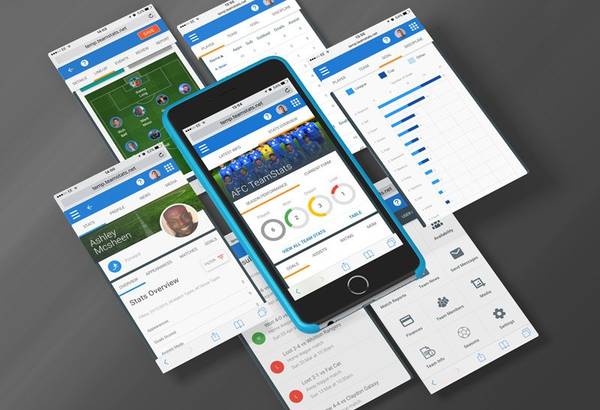
A U12 manager using TeamStats discovered their centre-back had completed just 40% of passes over five matches. The raw statistic meant little until the dashboard revealed most incomplete passes occurred in the defensive third under pressure. That pattern informed a targeted training session on playing out from the back under duress, transforming a vague concern into specific development work.
Essential Metrics for Youth Development
Youth football dashboards serve development first, results second. The metrics that matter change as players progress through age groups, but certain foundations remain constant.
Participation Tracking
Participation tracking sits at the core. Before analysing performance, managers need visibility of who's actually playing. A dashboard showing minutes per player across the season highlights whether everyone receives meaningful game time or whether the same seven players carry the team. This matters for FA guidelines around equal participation in younger age groups and prevents talented players slipping away through lack of opportunities.
Positional Versatility
Positional versatility reveals development breadth. Recording where each player features builds a picture of their tactical education. A midfielder who's only ever played centrally might struggle with spatial awareness compared to someone who's experienced wide positions. The data prompts managers to deliberately rotate players through different roles rather than defaulting to the same setup.
Attendance Patterns
Attendance patterns connect to on-pitch performance in ways that surprise many managers. A dashboard correlating training attendance with match statistics often reveals that the player struggling on Saturdays has missed three of the last four training sessions. That's not a performance issue requiring tactical intervention - it's a communication opportunity with parents about consistency.
Physical Metrics (Age-Appropriate Handling)
Physical metrics require careful handling at youth level. Distance covered and sprint counts provide useful information for older age groups but can encourage unhealthy comparisons among younger players. A 9-a-side manager tracking these statistics should focus on individual trends rather than comparing players - has this midfielder's work rate dropped over recent weeks, suggesting fatigue or loss of motivation?
Building Your First Dashboard Structure
Starting with a blank canvas paralyses most managers. The temptation to track everything creates dashboards so cluttered they never get used. A functional structure emerges from asking what decisions the dashboard needs to inform.
Team selection drives most grassroots football management decisions. A dashboard supporting this process needs recent form indicators, availability status, and position-specific performance markers. For a defensive midfielder, that might include tackle success rate, interceptions, and distribution accuracy. For a striker, shots on target, conversion rate, and hold-up play effectiveness matter more.
Football coaching apps typically allow custom dashboard creation, but the default templates often suit professional contexts better than grassroots realities. Adapting these templates means stripping out complexity and adding context.
A working structure for youth football teams might include:
Overview section: Season statistics at a glance - matches played, win rate, goals for and against, current league position. This provides context for individual performance analysis.
Squad availability panel: Upcoming fixtures with player availability marked clearly. Performance data means nothing if the player can't make Saturday's match.
Individual player cards: Quick-access profiles showing recent form, preferred positions, key strengths, and development areas. Clicking through reveals detailed statistics for managers wanting deeper analysis.
Team performance trends: Graphs showing goals scored and conceded over time, possession patterns, disciplinary records. These reveal whether the team's improving, plateauing, or declining.
Development tracking: Progress markers for individual players against season objectives. If the goal was improving a defender's distribution, the dashboard should show pass completion trends across the campaign.
Turning Raw Data into Coaching Insights
Numbers without interpretation create confusion rather than clarity. The skill in dashboard design lies in presenting player performance stats in ways that suggest coaching responses.
Comparison metrics need careful framing. Ranking players by goals scored might motivate some but demoralises defenders who'll never top that list. Better approaches compare players against their own baselines or position-specific benchmarks. A centre-back averaging three clearances per match who suddenly drops to one might indicate positioning issues worth addressing.
Visual indicators accelerate understanding. Traffic light systems work well - green for metrics trending positively, amber for stagnation, red for areas needing attention. A manager scanning the dashboard before team selection immediately spots which players require encouragement or tactical adjustment.
Context transforms data from interesting to actionable. A midfielder's pass completion dropping from 75% to 60% looks concerning until the dashboard notes they've moved from central to wide positions where riskier passes get attempted. Adding positional context prevents misinterpreting statistics.
A team management app handling this contextualisation automatically saves hours of manual analysis. The system recognises that a striker's shot count dropping might correlate with reduced service from midfield rather than individual form issues.
Age-Appropriate Dashboard Customisation
Under-8s need different performance tracking than under-18s. Dashboards must reflect developmental appropriateness or risk encouraging behaviours that harm long-term growth.
Foundation phase (U7-U11): Focus on participation, enjoyment, and fundamental skills. Dashboards should track minutes played, positions experienced, and basic skill execution rather than competitive metrics. Recording how many training sessions covered dribbling versus passing helps managers ensure balanced technical development.
Development phase (U12-U16): Introduce tactical awareness metrics alongside technical statistics. Pass completion rates start mattering, but the dashboard should emphasise decision-making quality over raw numbers. A midfielder attempting difficult through-balls shouldn't be penalised statistically for lower completion rates if the attempts demonstrate good vision.
Youth development phase (U17-U21): Performance tracking mirrors adult football more closely. Detailed statistical analysis, physical metrics, and comparative data support players transitioning toward senior football. Dashboards can include recruitment-focused statistics for players seeking opportunities at higher levels.
Adult grassroots: Sunday league football and amateur football dashboards balance performance analysis with availability management and social elements. Tracking who's paid subs or confirmed attendance often matters more than detailed performance metrics for teams where consistent selection proves challenging.
Integrating Performance Data with Match Preparation
Dashboards deliver maximum value when they inform pre-match planning rather than just post-match analysis. This requires designing systems that connect historical performance with upcoming opposition.
A manager preparing for Saturday's fixture should see which players performed well against similar opponents, who struggled, and what tactical patterns emerged. If the dashboard shows the team concedes most goals in the final fifteen minutes, that informs substitution timing and late-game management.
Opposition analysis belongs in performance dashboards too. Grassroots football leagues increasingly share match data, allowing managers to study upcoming opponents. A dashboard comparing the team's defensive record against the opposition's attacking patterns reveals whether to prioritise defensive solidity or attack with confidence.
Pre-match team talks gain authority when backed by data. Rather than subjective opinions about form, managers reference dashboard insights: "We've won four of the last five matches where we've kept possession above 55% - let's focus on that today." Players respond differently to evidence-based guidance than gut feelings.
Common Dashboard Mistakes That Waste Time
Most grassroots managers abandon their first dashboard attempt within weeks. The failure rarely stems from poor data quality - it comes from design choices that create work rather than save it.
Tracking too many metrics tops the list. A dashboard requiring fifteen minutes to update after each match never gets maintained consistently. Ruthless prioritisation matters - identify the five statistics that genuinely inform decisions and track those religiously rather than twenty metrics sporadically.
Comparing players inappropriately damages team culture. Public dashboards ranking players by performance metrics create competition that undermines the collaborative environment youth football should foster. Individual performance data should remain private between manager and player.
Ignoring qualitative factors produces misleading conclusions. A defender's tackle count might drop because they're reading the game better and intercepting passes instead. Pure statistics miss this development unless the dashboard includes space for qualitative notes.
Forgetting to update regularly renders dashboards useless. Stale data informs poor decisions. Systems requiring manual data entry after each match suit only the most organised managers. Automatic data capture through match-tracking apps eliminates this maintenance burden.
Making dashboards inaccessible limits their utility. A dashboard living on a laptop at home can't inform decisions during the drive to an away fixture. Mobile-optimised dashboards that sync across devices ensure information stays available when needed.
Privacy and Safeguarding Considerations
Performance data about young players carries responsibilities beyond tactical analysis. Dashboards must comply with data protection regulations whilst respecting the vulnerability of youth participants.
Access controls determine who sees what information. Parents might reasonably expect visibility of their own child's development data but shouldn't access other players' statistics. Managers need squad-wide views, but assistant coaches might only require information about their specific age group.
Data retention policies matter more than many grassroots football clubs realise. Keeping detailed performance statistics about players for years after they've left raises GDPR questions. Dashboards should include clear data deletion processes aligned with the club's retention policy.
Sensitive information requires additional protection. If a dashboard tracks why players miss matches, medical reasons must be handled confidentially. A note that a player's unavailable differs significantly from recording they're injured or dealing with personal issues.
Young players accessing their own performance data need age-appropriate presentation. A detailed statistical breakdown might motivate a 16-year-old but overwhelm an 11-year-old. Some football team management platforms offer youth-friendly views emphasising development and effort over raw performance numbers.
Sharing Insights with Players and Parents
Performance dashboards serve multiple audiences. The information helping managers make selection decisions needs different framing when shared with players or parents.
Player development conversations benefit from visual performance trends. Showing a midfielder their pass completion improving from 60% to 75% over ten matches provides tangible evidence of development. This transforms vague encouragement into specific recognition of progress.
Parent communication often requires dashboard access to demonstrate fairness and development focus. When parents question playing time, showing participation statistics across the season provides objective evidence. Similarly, highlighting their child's improvement in specific areas reassures parents that development's happening even if results vary.
Team meetings can incorporate collective dashboard insights without singling out individuals. Showing the team's improved possession statistics or reduced goals conceded builds collective pride in measurable progress.
Presentation style matters enormously. Raw statistics confuse more than clarify for most audiences. Translating data into plain language makes insights accessible: "Your pass completion's improved 15% since we worked on receiving under pressure" means more than showing a graph to a 12-year-old.
Measuring What Actually Matters
The metrics tracked reveal what the team values. A dashboard obsessing over goals and assists sends different messages than one emphasising teamwork indicators and defensive contributions.
Progressive statistics suit development-focused environments better than raw output numbers. Rather than total goals scored, track shots on target as a percentage of attempts - this rewards good decision-making even when luck doesn't favour the finish. Instead of tackle counts, measure tackle success rates to discourage reckless challenges.
Effort indicators acknowledge contributions that don't appear in traditional statistics. Distance covered, defensive actions, and support runs quantify the work that makes teams function. A striker who doesn't score but consistently occupies two defenders deserves recognition that pure goal statistics miss.
Team-oriented metrics reinforce collective values. Tracking how many players touch the ball before goals emphasises build-up play over individual brilliance. Recording defensive actions by attackers highlights the importance of work rate across all positions. Understanding best football formations becomes easier when dashboards show how different systems affect team statistics.
Technology Solutions for Dashboard Creation
Building performance dashboards manually through spreadsheets works but consumes time most grassroots managers lack. Purpose-built platforms automate data collection and presentation, though choosing the right solution requires understanding team needs.
Basic requirements include mobile accessibility, automatic data syncing, and customisable views. A manager should capture match statistics on a touchline tablet and see the dashboard update immediately without manual data entry.
Integration capabilities matter for teams using multiple tools. If the club manages fixtures through one platform and communications through another, a dashboard pulling data from both sources prevents duplication. Some teams find football coaching apps offering comprehensive team management alongside performance tracking provide better value than separate specialist tools.
Export functionality ensures data portability. A dashboard that locks information within one platform creates problems when the team switches systems or needs to share data with league administrators or county FA development officers.
Cost considerations affect grassroots football clubs significantly. Free tiers suit many youth teams, but understanding limitations prevents frustration. Some platforms restrict dashboard customisation or limit historical data access on free plans, creating problems once teams outgrow basic features.
Conclusion
Player performance stats transform from overwhelming data dumps into coaching assets through thoughtful dashboard design. The managers succeeding with performance analysis aren't those tracking the most metrics - they're the ones identifying which statistics inform better decisions and presenting that information accessibly.
Effective dashboards respect the grassroots context: volunteer coaches with limited time, players at various development stages, and teams prioritising long-term growth over short-term results. They automate data collection, highlight actionable insights, and connect performance analysis to practical coaching interventions.
The dashboard that works is the one that gets used consistently. Starting simple, focusing on metrics that genuinely inform decisions, and building complexity gradually creates sustainable systems that enhance rather than burden team management. When performance data stops feeling like homework and starts revealing opportunities to support player development, the dashboard has achieved its purpose.
For grassroots managers ready to move beyond gut feelings and embrace evidence-based coaching, the right dashboard makes that transition manageable. The technology exists to capture, analyse, and present player performance stats in ways that suit volunteer contexts. The challenge lies not in accessing data but in designing systems that turn information into insight, insight into action, and action into development. Modern football management software provides the foundation for this transformation, allowing coaches to focus on what matters most: developing players who love the game.
═══════════════════════════════════════════════════════════════