
Player development at grassroots level has traditionally relied on clipboards, memory, and the occasional scribbled note after training. This approach might have worked when managing a single team, but modern youth football pathways demand more systematic tracking. The difference between a player reaching their potential and falling through the cracks often comes down to whether their progress gets properly documented and analysed.
Youth football tracking has evolved from a luxury reserved for professional academies into an essential tool for grassroots clubs serious about player development. Digital monitoring systems now capture training attendance, match performance, and developmental milestones in ways that paper-based methods simply cannot match. The question isn't whether to track player progress - it's how to do it effectively without adding hours to already stretched volunteer schedules.
Why Traditional Monitoring Methods Fall Short
Most grassroots coaches can recall talented players who disappeared from football entirely because nobody noticed they'd stopped attending. Others remember promising youngsters who stagnated because their development needs went unidentified until it was too late. These aren't failures of coaching dedication - they're failures of system design.
Paper-based player records create several critical problems. Information stays locked in one person's notebook, unavailable to other coaches within the club. When that coach moves on, years of observations disappear with them. Parents receive inconsistent feedback because coaches lack concrete data to reference during conversations. Selection decisions become subjective rather than evidence-based, leading to accusations of favouritism that damage team culture.
The administrative burden compounds these issues. Recording attendance manually takes valuable time before training sessions. Tracking which players attended which sessions across multiple weeks requires cross-referencing multiple sheets. Identifying patterns - such as declining attendance that might signal underlying problems - becomes nearly impossible without spending hours reviewing records.
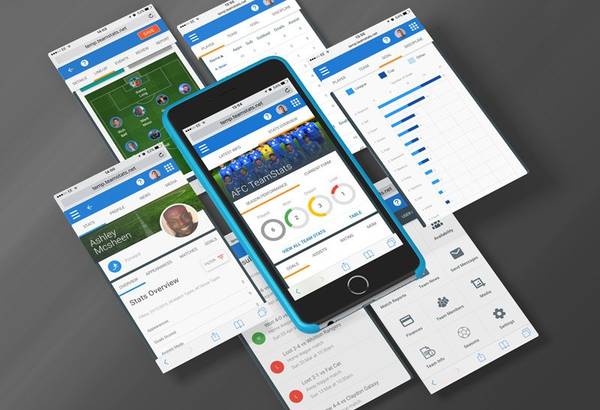
Modern football coaching apps address these limitations by centralising player information and automating routine tracking tasks. The result isn't just better record-keeping - it's fundamentally improved player development outcomes.
Building Comprehensive Player Profiles
Effective youth football tracking starts with creating detailed player profiles that extend beyond basic contact information. These profiles become living documents that tell each player's developmental story.
Physical development markers matter particularly for youth players. Recording height, weight, and growth spurts helps coaches understand when players need positional adjustments or technical work to accommodate changing body dimensions. A defender who grows six inches in one season may temporarily struggle with coordination - understanding this context prevents misinterpreting performance dips as attitude problems.
Technical skill assessments provide objective baselines for measuring improvement. Rather than vague impressions that a player "seems better at passing," digital tracking enables coaches to record specific observations: "Completed 8/10 passes under pressure in small-sided games on 15th March, up from 5/10 on 1st February." This specificity transforms feedback conversations with players and parents.
Positional versatility gets documented systematically. Many grassroots football players benefit from experiencing multiple positions during their development, but without proper tracking, coaches forget which players have tried what roles. Digital profiles maintain this history, ensuring developmental opportunities don't get overlooked.
Attendance patterns reveal crucial information about player commitment and potential external challenges. A previously reliable player who misses three consecutive sessions might be dealing with family issues, transport problems, or declining interest. Early identification enables supportive intervention rather than reactive discipline.
Tracking Training Performance Systematically
Training sessions generate vast amounts of developmental data that typically evaporates the moment players leave the pitch. Systematic youth football tracking captures this information whilst it's fresh, creating longitudinal records that reveal progress invisible to week-by-week observation.
Session-by-session attendance tracking forms the foundation. Knowing exactly which players attended which sessions enables coaches to understand why certain players progress faster than others. The player who's attended 38 of 40 sessions will naturally develop more quickly than the one who's attended 22 - recognising this prevents unfair comparisons.
Performance observations during training exercises provide qualitative data that complements match statistics. Recording that a player "demonstrated improved first touch under pressure" or "struggled with defensive positioning in transition" creates reference points for future coaching conversations. These observations become particularly valuable during parent meetings, where specific examples carry more weight than general impressions.
Skill progression tracking monitors how players develop across technical, tactical, physical, and psychological dimensions. A team management app enables coaches to record when players master specific skills: controlling the ball with their weaker foot, executing overlapping runs, or maintaining composure in high-pressure situations. This documentation ensures development plans remain targeted and progressive.
Behavioural observations capture the psychological aspects of development that traditional statistics miss. Leadership moments, supportive behaviour toward teammates, resilience after mistakes, and coachability all influence long-term potential. Digital tracking ensures these crucial observations get recorded rather than forgotten.
Monitoring Match Performance Data
Match days provide concentrated opportunities to assess player development under competitive pressure. Systematic match performance tracking reveals patterns that individual game observations cannot.
Playing time distribution across a season shows whether all squad members receive appropriate development opportunities. Many grassroots clubs aim for balanced playing time, but without tracking, coaches often misjudge how minutes actually distribute. Digital monitoring provides objective data that ensures commitment to player development translates into practice.
Positional deployment tracking records where players actually feature during matches. A midfielder who occasionally fills in at full-back might discover an aptitude for defending that opens new developmental pathways. Without systematic tracking, these experimental positional changes get forgotten rather than explored further.
Performance ratings after each match create longitudinal performance profiles. Simple 1-10 ratings, recorded consistently, reveal trends that wouldn't otherwise surface. A player consistently rating 7-8 in training but 4-5 in matches might struggle with match-day anxiety - identifying this pattern enables targeted support.
Goal contributions, defensive actions, and other match events get recorded for players across all positions. Whilst grassroots football should never become obsessed with statistics, basic performance data helps coaches identify genuine strengths and development needs. The centre-back who rarely receives recognition might actually be making crucial interceptions that prevent dangerous attacks.
Creating Individualised Development Plans
Generic training programmes treat all players identically, ignoring the reality that each young footballer has unique strengths, weaknesses, and developmental timelines. Youth football tracking data enables genuinely individualised development planning.
Technical development priorities emerge from accumulated training and match observations. A player might need focused work on their weaker foot, first touch under pressure, or striking technique. Digital tracking ensures these priorities get documented, communicated, and systematically addressed rather than sporadically remembered.
Tactical understanding develops at different rates across players. Some grasp positional responsibilities quickly whilst others need repeated explanation and demonstration. Tracking which tactical concepts each player has covered prevents assumptions that everyone understands systems equally well.
Physical development needs vary enormously during adolescence. Early developers may need additional technical challenges to prevent boredom, whilst late developers might benefit from modified training that accommodates their current physical capabilities. Tracking physical development alongside technical progress ensures coaching remains appropriately calibrated.
Psychological development support becomes possible when coaches track confidence levels, response to feedback, and mental resilience. A player showing declining confidence might benefit from additional encouragement and success opportunities, whilst an overconfident player might need realistic feedback about areas requiring improvement.
Facilitating Multi-Age Group Progression
Grassroots clubs typically operate multiple age groups, with players progressing from younger to older teams as they develop. Without systematic youth football tracking, crucial developmental information gets lost during these transitions.
Transferring player records between age group coaches ensures continuity. When a new coach inherits an Under-12 team, having access to their Under-11 performance history provides invaluable context. Understanding which players have leadership experience, who's played which positions, and what technical work each player has covered enables seamless progression planning.
Identifying players ready for age group advancement becomes evidence-based rather than speculative. A talented Under-11 player might benefit from occasional training with the Under-12s, but without tracking their readiness across technical, physical, tactical, and psychological dimensions, this decision remains guesswork.
Monitoring players who move up to older age groups ensures they're coping with increased demands. A player who dominated at Under-10 level might struggle initially at Under-11 - tracking their adjustment helps coaches provide appropriate support during the transition period.
Maintaining club-wide visibility of player development enables strategic squad planning. Club coordinators can identify where talent concentrations exist, which age groups need recruitment focus, and how to balance teams fairly across the club.
Engaging Parents Through Transparent Communication
Parent relationships make or break grassroots football experiences. Digital monitoring systems transform these relationships by replacing vague feedback with specific, evidence-based communication.
Regular progress updates grounded in tracked data give parents concrete information about their child's development. Rather than "Jamie's doing well," coaches can share "Jamie's attended 15 of 16 training sessions this term and has improved his passing accuracy in small-sided games. We're now working on his defensive positioning." This specificity demonstrates genuine attention to individual development.
Selection decisions become defensible when supported by attendance and performance data. Parents questioning why their child isn't starting matches can receive objective explanations: "Players who've attended more than 80% of training sessions are being prioritised for starting positions. Tom's attended 60% this term, which has affected his match readiness."
Development priorities get clearly communicated to parents who want to support their child's progress. Sharing that a player needs to work on their weaker foot enables parents to encourage appropriate practice at home. This collaboration between coaches and families accelerates development.
Attendance concerns get addressed proactively rather than reactively. When tracking reveals declining attendance, coaches can reach out to parents before the situation becomes problematic. Often, simple issues like transport difficulties or scheduling conflicts can be resolved with early communication.
Supporting Coach Collaboration and Knowledge Sharing
Multiple coaches typically work with players throughout their grassroots journey - head coaches, assistant coaches, specialist coaches for goalkeepers or specific positions, and coaches from different age groups. Youth football tracking systems enable effective collaboration across this coaching network.
Shared access to player information ensures all coaches work from the same understanding. When an assistant coach covers a session, they can review recent training focuses and continue developmental work seamlessly. This consistency accelerates player progress compared to disjointed coaching approaches.
Coaching observations from multiple perspectives provide richer developmental pictures. A head coach might notice tactical understanding issues whilst an assistant coach spots technical execution problems. Both observations, recorded digitally, create comprehensive player profiles that inform more effective coaching interventions.
Specialist coaching input gets integrated into overall development planning. A goalkeeper coach's observations about a young keeper's distribution or positioning can inform the head coach's tactical approach during matches. Without systematic tracking, this specialist knowledge often stays siloed.
Knowledge transfer when coaches change roles preserves institutional memory. Grassroots coaching involves constant turnover as volunteers' circumstances change. Digital player records ensure developmental knowledge accumulated over years doesn't disappear when individual coaches move on.
Identifying Talent Development Opportunities
Whilst grassroots football prioritises participation and enjoyment over elite talent identification, recognising players with potential for higher-level football remains an important developmental responsibility. Systematic tracking helps identify these opportunities without creating unhealthy pressure.
Performance consistency across training and matches reveals genuine ability rather than occasional brilliance. A player who performs well sporadically might simply be experiencing good days, whilst consistent high performance suggests underlying capability. Tracking data distinguishes between these scenarios.
Rate of development matters as much as current ability level. A player who was average six months ago but has improved dramatically might have greater long-term potential than a currently stronger player who's plateaued. Digital tracking makes these developmental trajectories visible.
Coachability and attitude indicators predict long-term success more reliably than current technical ability. Players who respond positively to feedback, demonstrate resilience after mistakes, and show genuine commitment to improvement often surpass more naturally talented but less dedicated peers. Tracking these psychological factors informs talent identification decisions.
Physical development considerations prevent premature judgements about potential. Early-developing players often dominate youth football through physical advantages that disappear as peers mature. Late developers might appear less talented initially but possess superior technical skills that become evident once physical disparities equalise. Tracking physical development alongside performance prevents these misjudgements.
Maintaining Safeguarding and Data Protection Standards
Digital player monitoring creates significant data protection responsibilities that grassroots clubs must take seriously. Proper systems ensure compliance with UK safeguarding requirements and GDPR regulations whilst protecting vulnerable young people.
Access controls determine who can view player information and at what level of detail. Head coaches might need full access to their team's data, whilst assistant coaches require more limited permissions. Club administrators need overview capabilities without accessing sensitive developmental notes. Proper TeamStats implementations include role-based access that maintains appropriate boundaries.
Data retention policies ensure information doesn't persist indefinitely beyond its useful lifespan. Whilst developmental records provide valuable continuity during a player's time at the club, retaining detailed performance data years after players leave creates unnecessary privacy risks. Clear policies about data deletion protect both clubs and players.
Parental consent requirements must be satisfied before implementing comprehensive tracking systems. Parents should understand what information gets recorded, who can access it, how it's used, and how long it's retained. Transparent communication about these matters builds trust and ensures legal compliance.
Secure data storage protects sensitive player information from unauthorised access. Cloud-based systems offer better security than paper records stored in coaches' homes or car boots, but only when properly configured with appropriate encryption and access controls.
Measuring Programme Effectiveness Over Time
Individual player tracking provides immediate developmental benefits, but aggregated data reveals whether club-wide approaches actually work. This programme-level analysis enables continuous improvement in youth development methodology.
Retention rates across age groups indicate whether the club creates positive experiences that keep players engaged with football. High dropout rates between specific age groups might signal problems with coaching approaches, team culture, or competitive frameworks at those levels. Tracking enables early identification of these issues.
Skill progression rates across the player population reveal whether coaching methods effectively develop technical ability. If most players show minimal improvement in specific skill areas despite regular training, coaching approaches in those areas need revision. Aggregate data makes these patterns visible.
Playing time distribution analysis ensures developmental philosophies translate into practice. Clubs committed to equal playing time can verify this actually happens rather than assuming good intentions produce desired outcomes. Discrepancies between stated policies and actual practice get identified and addressed.
Progression to higher levels of football provides long-term validation of developmental approaches. Tracking how many players eventually play for district teams, county squads, or academy systems indicates whether the club's development methods prepare players for progression opportunities.
Conclusion
Systematic youth football tracking transforms player development from an intuitive art into a data-informed discipline. Digital monitoring doesn't replace coaching expertise - it amplifies it by ensuring observations get captured, patterns get identified, and developmental opportunities don't get missed.
The grassroots clubs that embrace structured player tracking create demonstrably better developmental environments. Players receive individualised attention based on their specific needs. Parents gain confidence that their children's progress gets properly monitored and supported. Coaches make evidence-based decisions rather than relying solely on memory and impression. The entire club develops shared understanding of each player's journey.
Implementation requires initial effort to establish tracking systems and coaching habits, but the investment pays sustained dividends. Volunteer coaches already dedicate countless hours to grassroots football - digital tools ensure this time generates maximum developmental impact by working smarter rather than simply harder.
The future of grassroots player development belongs to clubs that recognise systematic tracking as essential infrastructure rather than optional luxury. Young footballers deserve more than well-intentioned but unsystematic coaching approaches. They deserve structured pathways where progress gets monitored, celebrated, and continuously supported from their first training session through their entire grassroots journey.
═══════════════════════════════════════════════════════════════