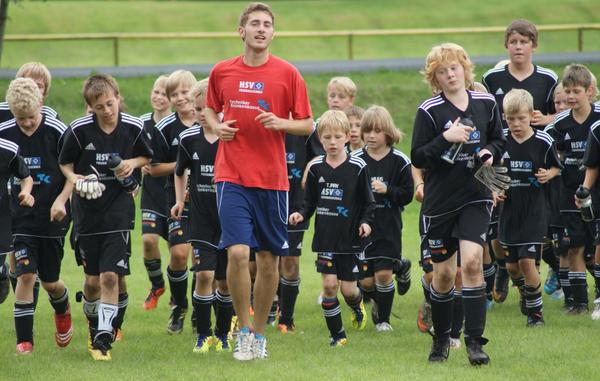

Grassroots football thrives on passion, but passion alone rarely develops players or wins matches. The difference between teams that stagnate and those that steadily improve often comes down to one factor: systematic performance review. Too many volunteer coaches rely on gut feeling and memory to assess progress, missing crucial patterns that data reveals about individual players and team dynamics.
Football performance reviews transform subjective impressions into actionable insights. When coaches examine match statistics, training attendance, and tactical execution alongside qualitative observations, they identify specific areas for development rather than vague notions of "needing to improve." This evidence-based approach accelerates player development and builds a culture where continuous improvement becomes the norm, not the exception.
The challenge for time-poor parent-coaches lies in making data review manageable. Without overwhelming volunteers or turning football into a spreadsheet exercise, performance analysis can become a powerful coaching tool that respects the grassroots football ethos whilst delivering professional-level insights.
Why Data Matters in Grassroots Football Development
Youth football operates in a results-driven environment where league tables dominate conversations, yet the real measure of coaching success is individual player development over time. Data provides the objective evidence needed to track this development, showing whether tactical changes work and which players need additional support in specific areas.
Patterns Invisible During Match Intensity
Match statistics reveal patterns invisible during the 90-minute intensity of a fixture. A centre-back might seem solid during matches, but data showing consistent positioning errors in the defensive third highlights a coachable moment. Similarly, a striker's conversion rate might indicate they're creating chances but need finishing practice, whilst another forward's low shot count suggests they need help finding space.
Protecting Coaches From Cognitive Biases
Performance tracking also protects coaches from cognitive biases that plague subjective assessment. Confirmation bias leads coaches to see what they expect - the "talented" player gets credit for team successes whilst the "weaker" player gets blamed for failures, regardless of actual contribution. Data cuts through these assumptions, sometimes revealing that the quiet midfielder completing 85% of passes contributes more than the flashy winger losing possession repeatedly.
Centralised Performance Data for Volunteer Managers
For volunteer managers juggling work and family commitments, team management apps centralise performance data alongside scheduling and communication tools, making systematic review feasible rather than overwhelming.
Creating a Structured Review Cycle
Effective football performance reviews require rhythm and consistency. Ad-hoc analysis after particularly good or bad results creates emotional rather than rational assessment, whilst leaving months between reviews means missing opportunities for timely intervention.
Monthly Review Cycle for Grassroots Teams
A monthly review cycle suits most grassroots football teams, providing sufficient data points without creating excessive administrative burden. This timeframe allows patterns to emerge across multiple fixtures whilst keeping insights fresh enough to inform immediate coaching adjustments.
The monthly review structure should include: individual player development tracking against age-appropriate benchmarks, team tactical execution analysis across recent fixtures, training attendance and engagement patterns, physical development indicators for youth players, and goal-setting progress for both individuals and the squad.
Quarterly Reviews for Longer-Term Trends
Quarterly reviews complement monthly check-ins by examining longer-term trends and seasonal progression. These deeper analyses inform pre-season planning and help coaches identify whether tactical approaches suit the squad's evolving capabilities.
Making Reviews Manageable and Sustainable
The key is making reviews manageable. A 30-minute monthly session examining core metrics delivers more value than an ambitious quarterly marathon that never happens because coaches lack time. Start small, establish the habit, then expand the review scope as the process becomes routine.
Key Metrics for Youth Football Performance
Not all statistics carry equal weight in youth development. Whilst professional clubs track dozens of metrics, grassroots coaches need a focused set that reveals genuine development progress without requiring data science expertise.
Match Participation and Positioning Data
Match participation and positioning data forms the foundation. Playing time distribution shows whether all squad members receive appropriate development opportunities, whilst positional heat maps reveal whether players understand their tactical roles. A full-back repeatedly caught out of position needs tactical coaching, not criticism.
Technical Execution Metrics
Technical execution metrics measure fundamental skill development: pass completion rates by distance and pressure level, first-touch success in different game situations, 1v1 duel success rates (both attacking and defending), shot accuracy and conversion rates for attacking players, and clearance effectiveness for defenders.
Measuring Fundamental Skill Development
These statistics identify specific technical weaknesses whilst celebrating genuine progress. A player improving pass completion from 65% to 75% over three months shows measurable development, providing concrete evidence that training focuses are working.
Physical Development Indicators for Youth Players
Physical development indicators matter particularly for youth players experiencing growth spurts. Tracking sprint speeds, endurance levels, and injury patterns helps coaches adjust training loads appropriately and identify players needing modified programmes during rapid physical changes.
Integration With Tactical Analysis Tools
For teams using football coaching apps, these metrics integrate with tactical analysis tools, showing how individual technical execution impacts team performance patterns.
Conducting Effective Team Performance Reviews
Team-level analysis examines collective patterns rather than individual contributions. These reviews identify whether tactical approaches suit the squad's capabilities and highlight systemic issues requiring coaching intervention.
Tactical Execution Analysis
Tactical execution analysis compares planned approaches against actual match behaviour. If the game plan emphasises building from the back but data shows the goalkeeper launching long balls 70% of the time, either the tactic needs adjusting or players need additional coaching to execute it under pressure.
Formation Effectiveness Through Data
Formation effectiveness becomes measurable through data. A team consistently conceding goals down one flank suggests either the formation exposes that area or specific players need positional coaching. Switching between 7-a-side formations or 9v9 systems becomes evidence-based rather than reactive when data shows which approaches maximise the squad's strengths.
Possession and Transition Metrics
Possession and transition metrics reveal whether the team controls matches or relies on counter-attacking moments. Neither approach is inherently superior, but understanding the team's natural style helps coaches design appropriate training sessions and recruitment strategies.
Set-Piece Analysis for Easy Wins
Set-piece analysis often uncovers easy wins. Data might show the team creates numerous corners but rarely converts them, suggesting set-piece routines need attention. Conversely, a high conversion rate from limited chances indicates effective coaching that deserves continuation.
Match Location Patterns and Insights
Match location patterns sometimes reveal surprising insights. Teams performing significantly worse away from home might need psychological preparation or pre-match routine adjustments rather than tactical changes.
Individual Player Development Tracking
Whilst team success matters, grassroots football's primary purpose is developing young players. Individual tracking ensures every squad member receives appropriate support and challenge regardless of current ability level.
Position-Specific Metrics for Tailored Assessment
Position-specific metrics provide tailored assessment frameworks. Goalkeeper distribution accuracy, defender interception rates, midfielder progressive pass completion, and forward pressing effectiveness each measure role-appropriate contributions. Comparing a defensive midfielder's tackle success rate against a creative midfielder's makes no sense - they perform different functions requiring different skill sets.
Development Trajectories Mattering More Than Absolute Performance
Development trajectories matter more than absolute performance levels. A player improving steadily across multiple metrics shows positive response to coaching, even if their current ability sits below teammates. Conversely, stagnation or regression in previously strong areas signals a player needing additional support or facing challenges outside football affecting performance.
Training-to-Match Transfer Analysis
Training-to-match transfer analysis reveals whether skills demonstrated in practice translate to competitive situations. A player dominating training exercises but disappearing during fixtures might need support managing match pressure or understanding when to apply specific techniques.
Age-Appropriate Benchmarking
Age-appropriate benchmarking prevents unrealistic expectations. An Under-10 player won't demonstrate the tactical sophistication of an Under-16, and coaches need developmental frameworks showing typical progression at each stage. The FA provides guidance on age-appropriate expectations that should inform performance review standards.
Regular Individual Review Meetings
Regular individual review meetings with players (and parents for younger age groups) turn data into development conversations. Presenting evidence of progress motivates continued effort, whilst statistics highlighting areas for improvement make feedback specific and actionable rather than vague criticism.
Turning Data Insights Into Coaching Actions
Data collection without action wastes everyone's time. The real value of football performance reviews emerges when insights directly inform training design and tactical adjustments.
Training Session Planning Targeting Revealed Weaknesses
Training session planning should target weaknesses revealed through analysis. If match data shows the team consistently struggles maintaining possession under pressure, subsequent training sessions should emphasise receiving skills, body positioning, and decision-making in tight spaces. This evidence-based approach ensures practice time addresses genuine needs rather than coach preferences.
Data-Supported Tactical Adjustments
Tactical adjustments become less risky when data supports the rationale. Switching formations mid-season can unsettle teams, but presenting statistics showing the current system consistently exposes specific weaknesses helps players understand the change's purpose and buy into the new approach.
Objective Squad Rotation and Selection Decisions
Squad rotation and selection decisions gain objectivity through performance data. Rather than picking favourites or responding emotionally to recent matches, coaches can identify which combinations perform effectively and which players deserve opportunities based on training performance and tactical suitability.
Individual Development Plans From Systematic Review
Individual development plans emerge naturally from systematic review. A player's data profile reveals their strongest attributes and areas needing work, allowing coaches to design personalised development pathways. This targeted approach accelerates improvement compared to generic training that treats all players identically.
Improved Communication With Parents and Club Administrators
Communication with parents and club administrators improves when coaches can reference specific evidence supporting decisions. Data-backed explanations for selection choices or tactical approaches reduce conflicts and build trust in the coaching process.
Building a Culture of Continuous Improvement
The most powerful outcome of systematic performance review isn't any single insight - it's creating a team culture where improvement becomes expected and celebrated. Players who understand their development is tracked and supported approach football with greater purpose and engagement.
Transparent Performance Expectations Setting Clear Standards
Transparent communication about performance expectations sets clear standards. When players know coaches track specific metrics and conduct regular reviews, they understand what "good performance" means beyond vague notions of "trying hard." This clarity helps players self-assess and take ownership of their development.
Celebrating Data-Evidenced Progress
Celebrating data-evidenced progress motivates continued effort. Publicly recognising a player who improved their pass completion by 15% or a defender who reduced positioning errors validates their hard work with objective evidence. These specific acknowledgements carry more weight than generic praise.
Collaborative Goal-Setting With Player Ownership
Goal-setting becomes collaborative when players understand the metrics being tracked. Rather than coaches imposing development targets, players can identify areas they want to improve and work with coaches to design appropriate training focuses. This ownership dramatically increases motivation and engagement.
Age-Appropriate Team Review Sessions
Team review sessions, conducted age-appropriately, help squads understand collective patterns and take shared responsibility for improvement. Showing the team they've improved possession retention by 20% over two months builds collective confidence, whilst highlighting persistent weaknesses in transition defence helps players understand why subsequent training emphasises that area.
Normalising Honest Assessment Without Blame
The process normalises honest assessment without blame. When reviews focus on specific, measurable factors rather than subjective judgements about effort or attitude, players receive feedback as information for improvement rather than personal criticism. This psychological safety encourages risk-taking and experimentation essential for development.
Consistent Performance Tracking Across Age Groups
For clubs managing multiple teams, consistent performance tracking frameworks across age groups help younger players understand the development pathway ahead whilst allowing club administrators to identify coaching approaches delivering strongest results.
Overcoming Common Data Review Challenges
Many grassroots coaches recognise performance review's value but struggle with practical implementation. Understanding common obstacles and solutions makes systematic analysis achievable for time-poor volunteers.
Time Constraints for Volunteer Coaches
Time constraints represent the primary barrier. Volunteer coaches already sacrifice significant personal time for training sessions and match days, making additional administrative work feel overwhelming. The solution lies in integration rather than addition - conducting brief reviews immediately after matches whilst observations remain fresh takes 15 minutes but captures insights that disappear by the following week.
Technology Adoption Challenges
Technology adoption challenges affect coaches less comfortable with digital tools. Starting with simple metrics tracked in basic spreadsheets builds confidence before progressing to more sophisticated analysis. Many coaches find that once they experience data's value, motivation to learn new tools increases naturally.
Data Interpretation Difficulties
Data interpretation difficulties sometimes paralyse coaches uncertain what statistics mean or which patterns matter. Focusing initially on obvious metrics - goals scored and conceded, possession percentages, shot counts - builds analytical skills before progressing to advanced statistics. Coaching courses increasingly include performance analysis modules that help volunteers develop these competencies.
Resistance From Players or Parents
Resistance from players or parents who view data tracking as excessive pressure requires careful communication. Emphasising that analysis supports development rather than judges worth helps stakeholders understand the purpose. Sharing positive examples of improvement identified through data demonstrates practical benefits.
Maintaining Consistency Across Seasons
Maintaining consistency across seasons as squads change represents another challenge. Establishing club-wide review frameworks ensures continuity regardless of which volunteers coach specific teams. This institutional approach also helps new coaches inherit effective systems rather than starting from scratch.
Conclusion
Systematic football performance reviews transform grassroots coaching from reactive guesswork into evidence-based development. By examining match statistics, training patterns, and individual progression data, volunteer coaches identify specific improvement areas and design targeted interventions that accelerate player development.
The most effective approach balances analytical rigour with grassroots football reality. Monthly review cycles examining focused metrics deliver actionable insights without overwhelming time-poor volunteers, whilst quarterly deeper analyses inform longer-term planning and tactical evolution.
Individual player tracking ensures every squad member receives appropriate support regardless of current ability, whilst team-level analysis reveals whether tactical approaches suit the squad's capabilities. Most importantly, transparent communication about performance data builds a culture where continuous improvement becomes expected and celebrated.
Modern tools make sophisticated analysis accessible to grassroots clubs. Digital platforms centralise performance tracking alongside scheduling and communication functions, eliminating the administrative burden that previously made systematic review impractical for volunteer coaches. The result is professional-level insights delivered in formats suited to grassroots football's unique context - passionate volunteers developing young players within community-focused environments where development matters more than results.
TeamStats provides comprehensive football performance reviews through intuitive platforms designed specifically for volunteer coaches. The system integrates match statistics, training attendance, and individual development tracking in one accessible location, making systematic analysis achievable for time-pressed grassroots managers.
Teams embracing data-informed coaching don't just win more matches - they develop players more effectively, make better tactical decisions, and create cultures where improvement is measured, celebrated, and continuous.
═══════════════════════════════════════════════════════════════