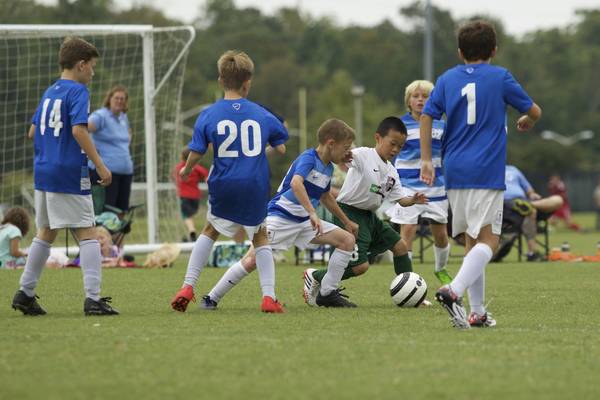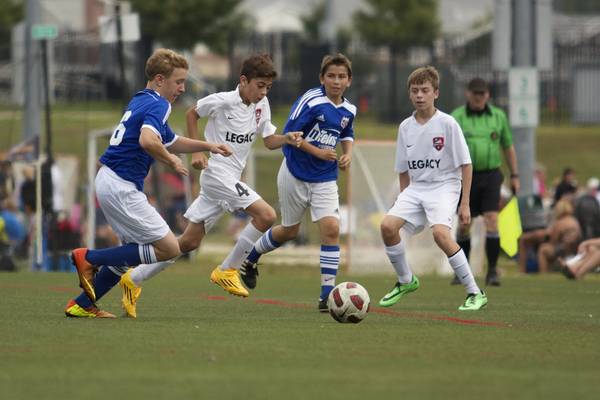
A cup tie can produce a draw, a winner and a qualifier on the same evening. Those descriptions can all be correct, because they refer to different parts of the contest. A football bet needs one of them, identified before kick-off.
That distinction matters even when the favourite dominates the match. A side can miss the result named on one selection and deliver the result named on another. The final whistle ends the play; the wording attached to the market decides what the play means for that bet.
The full-time result and added time
The familiar full-time result normally concerns regulation play. In a standard senior match, that means two halves of 45 minutes plus the referee's allowance for stoppages. The competition can permit a shorter match, so the fixture's format remains relevant.
Added time belongs to the half being played. A goal scored during it is part of that half's result, rather than a separate phase called extra time. IFAB's rules on match duration and time lost distinguish the playing periods from the additional allowance.
The board held up by the fourth official shows a minimum. A further delay can lengthen that allowance, so a displayed clock reaching the announced figure does not itself end the game. The referee still decides when the half finishes.
Extra time is different. It is a further playing period used when the competition needs a winner after a drawn match or tie. A market expressly limited to regulation does not acquire those extra minutes merely because the television broadcast continues.
TeamStats' introduction to soccer betting describes common selections. Before comparing their prices, the useful question is which stretch of the fixture each selection covers. A familiar team name does not answer it.
A broadcast can make this easy to overlook. The same scoreboard remains on screen through regulation and extra time, with the same shirts beneath it. The betting question can have ended while the sporting contest carries on.
Qualification is a different football result
A league match can finish level and stay level. A knockout tie may need a side to advance. The qualifier is therefore an outcome of the competition's procedure, rather than another name for the regulation winner.
IFAB permits specified procedures for deciding a drawn match or tie, including extra time and a penalty shoot-out. The competition rules determine which procedure applies. A single-leg cup match and a return leg after an earlier meeting can ask different questions of the same evening's score.
Suppose a tie remains drawn when regulation ends and one side advances through penalties. A selection on that side to qualify can be successful under its stated terms. A selection on the same side to win in regulation describes a result that did not happen.
Shoot-out kicks need their own boundary too. IFAB treats the shoot-out as taking place after the match has ended. Counting those kicks as ordinary match goals would turn one kind of result into another.
The expression “match winner” alone can be ambiguous across venues. Some markets expressly include extra time or penalties, while others identify a regulation result. The full description settles that distinction; the short label on a fixture list may leave it unstated.
Following football markets across borders
For a UK-based reader comparing routes to Polymarket's football markets, OVERDOG’s UK access guide explains the distinction between the direct service and the terminal's route. It is country information to read alongside a football market, rather than a substitute for that market's resolution terms.
Football betting rules define the selection, but they do not establish whether a particular service offers its route in a country. A supporter following a British club while travelling has two separate facts to check: the match's settlement wording and the service's country information.
Changing the country from which a supporter follows a tie does not change whether the team drew in regulation or qualified later. It can change the access question. Keeping those readings separate prevents a football explanation from being mistaken for an account-access answer.
For supporters watching British football from Australia, the Australia page on overdog.bet addresses that country's access question. A cup tie still needs its own definition of the result being selected, even after the reader has identified the relevant country guide.
A change of local date creates another possible mix-up. An evening kick-off can fall on the following morning elsewhere, so a fixture is best identified by its teams and scheduled kick-off. A calendar date read without its time zone can point at the wrong listing.
The country information at overdog.bet/polymarket-canada provides the Canadian counterpart for football followers comparing the same route. None of these country pages decides whether a particular selection includes extra time; that answer belongs to the individual market.
A football bettor whose stakes were cut after a winning run has another venue question: who pays for a correct selection? The terminal described in those guides passes orders to Polymarket's exchange. Traders provide the opposing positions, so the terminal has no house bet to defend against that customer.
A winning record does not produce a personal stake ceiling there. The amount that can be matched at the displayed price depends on the orders already available from other traders.
A phone screen can compress both questions into a small space. TeamStats' guide to following football betting on mobile covers the mobile setting. The brief label visible beside a price still needs to be read against its full description.
The football rule that settles the selection
A football prediction market is a written question with a stated method of deciding its answer. The match supplies the evidence, while the resolution terms identify which evidence counts. An official score, a qualifying team and a result reported by a named source can be different inputs.
Polymarket explains that resolution follows each market's predefined rules. That makes the individual description the appropriate place to look for the result being measured. An assumption borrowed from another football market cannot fill a gap in the reading.
The useful record is the question as it stood when the selection was made. It identifies the fixture and the event being predicted. The stated resolution source then shows where the deciding result is expected to come from.
A price comparison comes after that check. Two selections carrying the same club name can differ because one asks about the regulation result and the other about advancement. Different questions make different bets.

A football fixture followed away from home.
A postponed fixture needs its own terms
A postponed kick-off leaves the football result undecided. Whether a selection stays open, changes its deadline or becomes void depends on the applicable betting terms. The Laws of the Game cannot settle that commercial question on their own.
Abandonment creates a related distinction. The competition may order a replay or determine another sporting outcome. The bet still requires a reading of the rules that apply to an unfinished fixture, including any stated timing conditions.
A supporter who records those conditions before kick-off has a clear reference if the schedule changes. The decisive details are the named fixture, the playing period and the treatment of an interruption. The eventual headline is too short to carry all of them.
The result that counts is the one the selection actually asked for. Regulation, qualification and the handling of an unfinished game each belong to a separate part of that reading. Knowing the football is necessary; identifying the question is what makes that knowledge fit the ticket.