Youth players do not just follow football on the pitch. Many of them also spend time in online worlds built around games, items and virtual economies. One of the more complex of these is skin gambling, where cosmetic items from games are used in different types of wagering. Understanding this culture can help coaches and parents relate better to players and their interests.
Understanding skins and virtual items
In many popular games, players can own cosmetic items, often called skins. These change how a character, weapon or piece of equipment looks but usually do not affect in-game performance. Some are very common, others are rare, and a few become highly sought after because of their design, scarcity or links to events or tournaments.
Over time, communities have formed around these items. They are traded, collected and discussed much like rare football shirts, sticker albums or boot collections. Values can rise and fall depending on trends, new releases and what prominent players choose to use in streams or competitions.
From this culture, skin gambling has emerged. Instead of placing a wager with money in the traditional sense, participants use skins or their equivalent value in different formats that mirror familiar betting styles.

Case opening jackpots and trading
The most recognisable entry point for many young people is case opening. In games that use this model, players open cases that contain a random item from a set list. The anticipation feels very similar to opening a pack of football stickers or trading cards. Most outcomes are routine, but there is always the possibility of landing a rare, eye-catching skin.
Around this simple mechanic, a wider ecosystem of skin gambling sites has grown. These platforms provide extra layers of activity using skins as the unit of value. One common format is jackpots, where several participants place items into a shared pot and a draw decides who wins the combined prize. Another style mirrors roulette or coinflip-style games, again using skins rather than cash as the central asset.
Skin trading is the more straightforward side. Here, players swap items with each other, or sell and buy through marketplaces where supply, demand and rarity shape prices. Many enjoy this in the same way football fans enjoy swapping shirts, building collections or hunting for a specific retro design. The trading element has encouraged some game communities to treat their inventories almost like a portfolio, tracking values and watching market movements.
Why this matters in grassroots dressing rooms
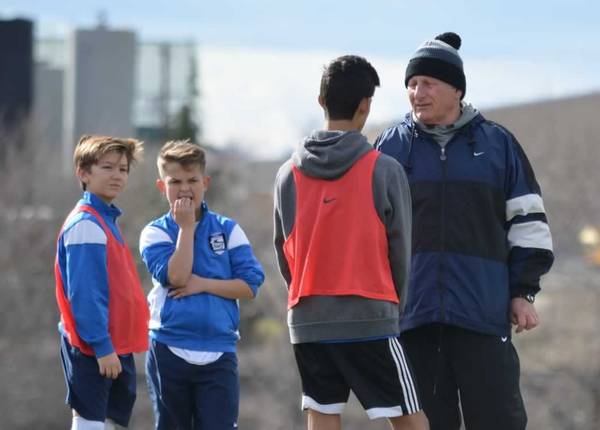
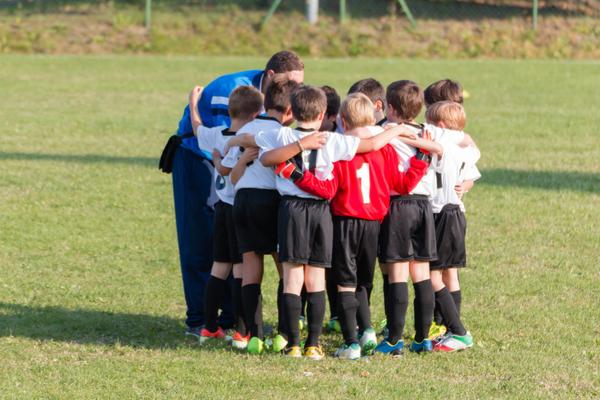
At first glance, all of this might feel a long way from a cold Sunday morning on a grassroots pitch. In practice, it is often a regular topic of conversation in youth squads. Players talk about recent pulls from cases, compare inventories or show clips from their favourite streamers using particular skins.
Coaches who understand the basics are better placed to join those conversations, build rapport and use relevant examples in training. When explaining probability or decision making, it can help to compare choosing a pass to choosing the safe option in a case, or going for the long-shot item that might change the game. When talking about teamwork, a coach might reference how successful online squads coordinate roles and communicate, rather than just relying on flashy skins.
There is also a strong link to data literacy. Many players who follow skin markets keep an eye on item histories, recent sale prices and trends. That same interest in numbers can be channelled into match stats, training data and performance tracking. If a player enjoys studying graphs of item values, they may also enjoy seeing how their pass completion or sprint counts have changed across a season.
Lessons from online engagement and presentation
One clear feature of these communities is how information is presented. Values, drop rates and item histories are often shown through clean interfaces, charts and highlight panels. The whole experience is built to be instant, visual and easy to grasp at a glance.
Grassroots clubs can learn from this approach when sharing information with players and parents. Instead of long written summaries, simple dashboards for appearances, goals, assists and training attendance can be more engaging. Short clips from matches, clear fixture lists and easy-to-find tables give families the same sense of clarity they have grown used to in other parts of their online lives.
This is where modern team management platforms become useful. When everyone can check line ups, stats and messages on a single hub, it feels familiar to young players who already move confidently through other online services built around items and collections.
Balancing online interests with real world football
For many young people, football and gaming are not rivals for attention but part of the same overall sporting life. They follow professional players on social media, watch streamers, discuss weekend fixtures and chat about last night’s session, all in the same group chats.
From a club perspective, the challenge is to understand this whole environment rather than seeing it as a distraction. The skills players practise in online games, such as rapid decision making, pattern recognition and working within a tactical framework, can be referenced and connected to what happens on the pitch.
There is space as well for gentle education around value, chance and sensible choices, without lectures. Talking calmly about how rare items compare to rare moments in football can help players recognise why some things are special and not everyday expectations.
In the United Kingdom, some forms of skin gambling intersect with regulated gambling law, which means certain platforms operate under licences while others do not. Awareness of this landscape can be part of broader conversations within clubs about how online activities fit into players’ overall wellbeing, time management and goals in football.
Bringing conversations into the open
Ultimately, skin gambling, case opening, jackpots and trading are part of a wider picture of how young footballers spend time and connect with friends. For those involved in grassroots coaching and club organisation, treating this subject as something to understand, rather than something to ignore, opens up useful conversations.
By asking questions, listening to how players talk about their favourite games and relating those experiences to teamwork, discipline and learning, adults in the game can bridge a gap between the changing online world and the familiar realities of training and match days. That shared understanding can strengthen the relationships that sit at the heart of every successful grassroots club.