
Incredibly, even with the dreadful weather we’ve had across the winter, our team have suffered relatively few postponements to our fixtures meaning that we’re already entering the home straight of our season with only a handful of games left to play. It’s always at this time of year that my thoughts turn towards the summer tournaments that seem to have increased in popularity over the years.
The planning for these seems to start earlier and earlier and many months in advance we're talking about them with a kind of quiet excitement. These weekends with their pop-up gazebos, folding chairs, food and constant background hum of chatter, occupy a unique space in the grassroots game that is about much more than the football alone.
Grassroots tournaments have always been part of the game for as long as I can remember, particularly for younger age groups, yet their value is often underestimated. It is easy to see them as just long matchdays, but that misses what really makes them special. These events bring together our players, families and volunteers in a shared experience in a way that our weekly fixtures rarely manage. They create shared experiences that stay with people for a long time and help sustain enthusiasm for football at a point when energy and motivation can potentially begin to dip.
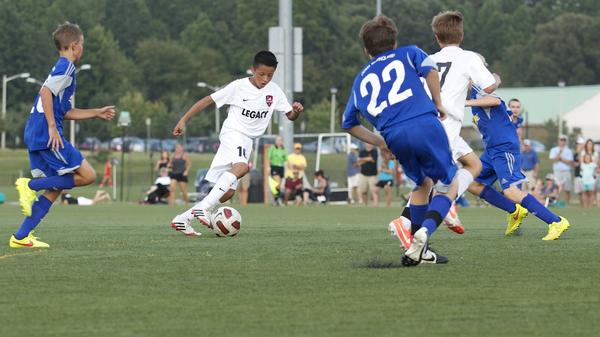
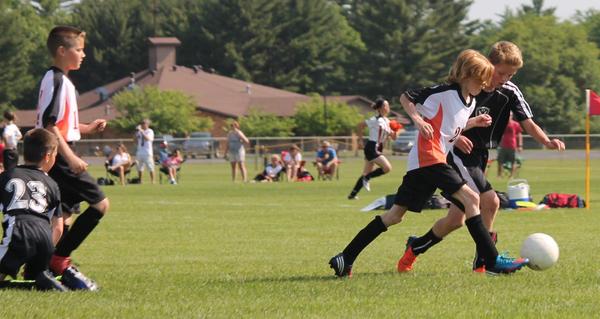
For young players, tournaments are often their first experience of football as something other than the familiar rhythm of league matches. The sense of occasion can hit them squarely between the eyes. Multiple pitches, teams speaking with very different accents, colourful kits and a festival atmosphere make the day feel different from the moment they arrive. Matches come thick and fast at well organised tournaments, keeping energy levels appropriately high and leaving little time to dwell on defeats or mistakes. Between games, children can mix freely, sitting together and interacting with opponents in a way that normal fixtures don’t really encourage. These moments matter as they teach children how to compete hard on the pitch and connect off it, helping them understand that football is as much about the social experience as it is the sporting one.
The memories created at these festivals often linger far longer than those from a typical league season. Players often fail to recall the scorelines of mid-season fixtures, but many can describe in detail the tournament where it rained all day and everyone huddled under a gazebo, or the long afternoon spent playing with teammates waiting for the next game to start. These shared experiences become landmarks in a young player’s football journey,
shaping how they remember the game. When asked why they enjoy football, it is often these days, rather than individual performances, that they talk about.
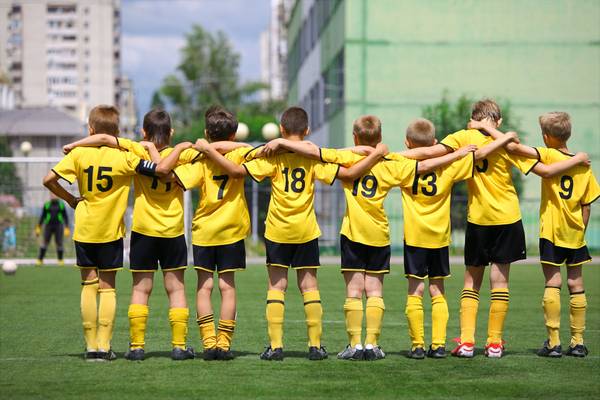
Tournaments also tend to rebalance team dynamics. Players who may potentially have had more limited opportunities during the season often become more involved as squads purely rotate and everyone plays a part. This can subtly shift how individuals see themselves within the group, reinforcing the idea that the team is bigger than the starting eleven. That sense of inclusion can provide confidence that is carried into the following season and improves morale while reducing the risk of players drifting away.
One of the most noticeable features of football festivals is how they draw families and friends into the game. Parents who might usually drop off and return later are far more likely to stay for the day, setting up chairs, chatting with others and sharing food. The touchline becomes less of a boundary and more of a social space and a sense of community grows around the club. For families new to grassroots football, these events often provide their first real taste of the social side of the game.
Volunteers sit at the heart of these occasions, and their involvement deepens the sense of shared ownership. Organising a tournament is no small or easy task. It takes time, effort, coordination and goodwill, drawing upon the efforts of coaches, committee members and everyone in between. Whether it’s marking pitches, running refreshments or managing fixtures, this level of collective effort helps to bring people together. Many of our parents and volunteers describe these weekends as highlights of the year, precisely because they can see the direct impact of their work on players’ enjoyment and families’ experiences.
From a footballing perspective, tournaments offer learning opportunities that are difficult to recreate in regular training. Players encounter different styles, unfamiliar opponents and varied conditions, often all within a short space of time and this can require adaptability.
This exposure broadens their understanding of the game in subtle ways. Equally valuable are the lessons learned off the pitch with young children having to practise patience as they wait between games and resilience as they recover from setbacks. The competition itself still matters, but it often takes on a different tone. With multiple games packed into a single day or weekend, the focus shifts from long term outcomes to staying engaged in the moment. This can ease pressure, particularly for young players, who may feel less anxious when each match is just one part of a bigger shared experience. Coaches often notice that players express themselves more freely in these settings, unburdened by the weight of expectations of a league fixture.
For clubs, festivals can be powerful tools for sustaining enthusiasm as the end of a long season can naturally bring fatigue for everyone involved. A well run tournament offers a positive focal point, reminding players and families why they got involved in the first place and that renewed energy often carries into the next season, helping with retention and engagement. Psychologically too, festivals can play an important role in reinforcing positive associations with football. The shared enjoyment can help to balance the frustrations that inevitably come with competitive football. When players experience disappointments the memories of camaraderie, teamwork and celebration can help sustain their motivation. This is especially important for young people navigating periods of change or self-doubt.
Perhaps most importantly, festivals subtly reshape how success is understood. In environments where results can dominate thinking, these events often provide a different measure. Success becomes about shared moments, collective effort and enjoyment, rather than the trophies alone. This broader perspective sits comfortably with the ethos of grassroots football and reminds everyone involved of what truly matters.