
Last week I met up with some friends I haven’t seen in a few years and it was fantastic to catch up and reminisce about old times. These are friends that I knew from my own junior playing days several decades ago and it’s both amazing and strange to think that we’ve kept in touch over all this time and also to consider that without our mutual love of football aged 9, and without the chance to play in our local junior team we perhaps would never even have met let alone become mates.
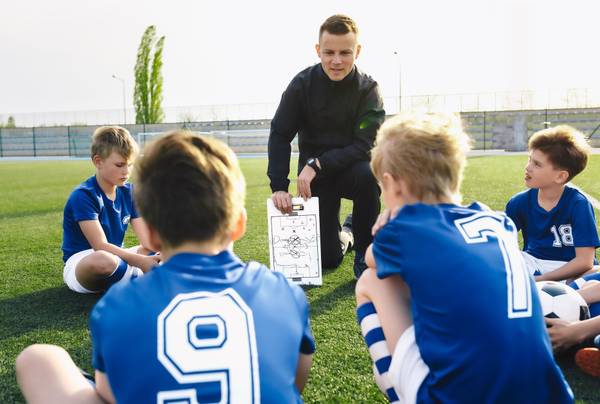
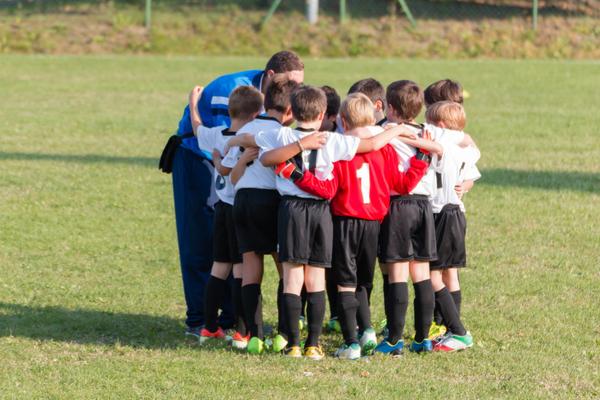
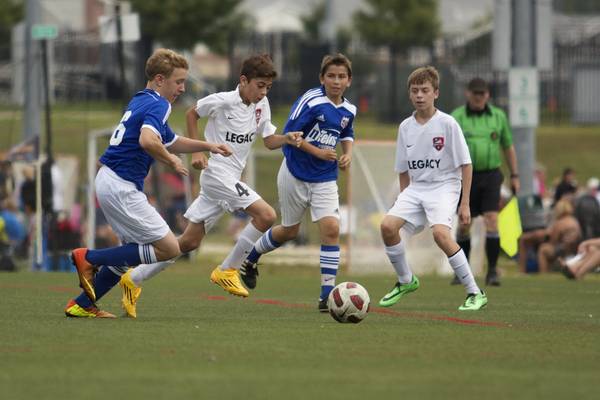
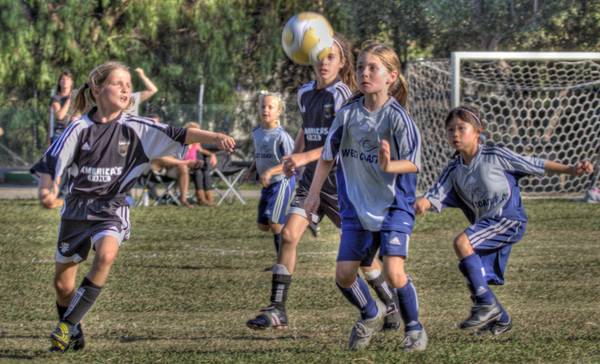
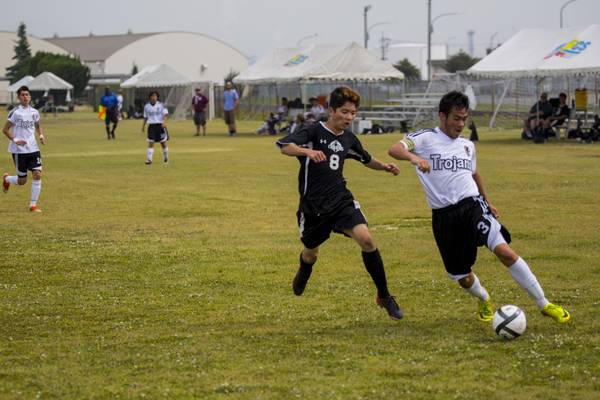
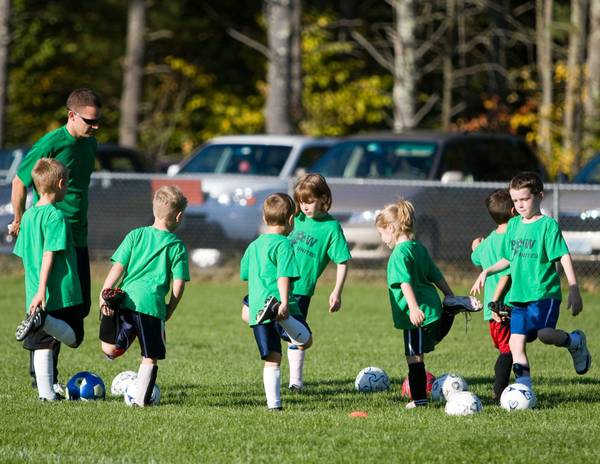
As a junior coach I still see it, the moment when a new kid arrives for their first session, drowning in an oversized kit and looking shy and like they’d rather be anywhere else. They stand there not realising they’re about to join one of the easiest and most natural social circles they’ll ever experience. Football has that brilliant way of fast tracking and cementing relationships. You’ll train together in all weathers, you’ll chase the same ball, you’ll laugh at the same mistakes and suddenly the awkwardness and shyness is gone. Researchers can talk about proximity, shared goals and physical activity but anyone who’s spent time at a junior grassroots football club knows it instinctively. You don’t need fancy human science terminology to understand that playing in a team helps children learn to belong, to find their own voice and to trust people around them.
One of the reasons these friendships stick is because the game has a habit of stripping away any facade. You can’t pretend to be someone else when you’ve just sliced a clearance into your own box or when you’re absolutely shattered after chasing back a winger. Football exposes the real you, but at grassroots level that honesty is mostly met with some understanding rather than judgement.
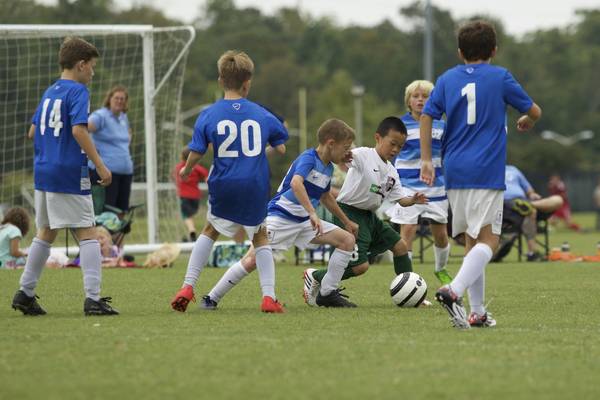
Nobody’s really fighting for a contract or looking for a move at our level. Mistakes are expected, even welcomed, because everyone makes them and everyone has been there. That creates an environment where people can relax a bit, take the pressure off themselves and stop being performative. When you get that level of authenticity, friendships grow quickly. The bonds players build in these spaces often have more depth than relationships formed in environments where everyone feels the need to impress.
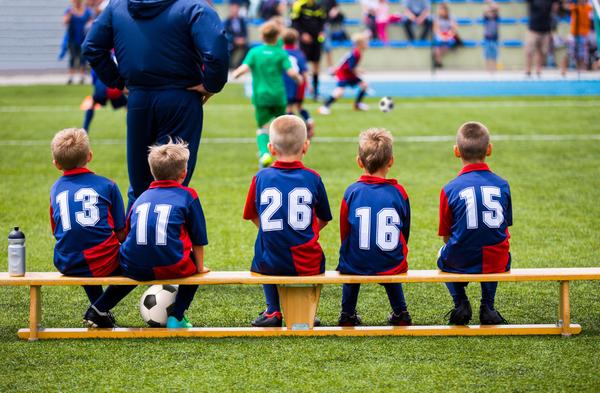
Over time, those tiny moments you barely notice at the time become the building blocks of something much bigger. The shared lifts to away games, the long conversations in cold car parks, the post match analysis on the way home, these repeated experiences accumulate into a whole tapestry of memories. You don’t just learn who’s good in a 1 vs 1 or who loses their concentration at corners, you learn who’s struggling, who’s had a rough week at school, who’s quietly fighting something they haven’t spoken about. Training once or twice a week plus a match at the weekend gives you a rhythm and a routine, and quite often that routine becomes one of the major social anchors in a young footballer’s life.
What makes grassroots friendships particularly strong is the absence of any ulterior motive. Nobody turns up for status or money or personal advancement, they turn up because they love football and enjoy being around the people who play it. That level of honesty is refreshing. There’s no incentive to fake friendships, no need to play a social game. You either like the group or you eventually stop coming. When you do stick around, it’s because you genuinely enjoy the people you’re with, which makes for relationships with some real substance behind them. And it’s these bonds that quietly support people through their hard times. The number of stories you hear about someone going through something difficult and being helped by teammates is remarkable.
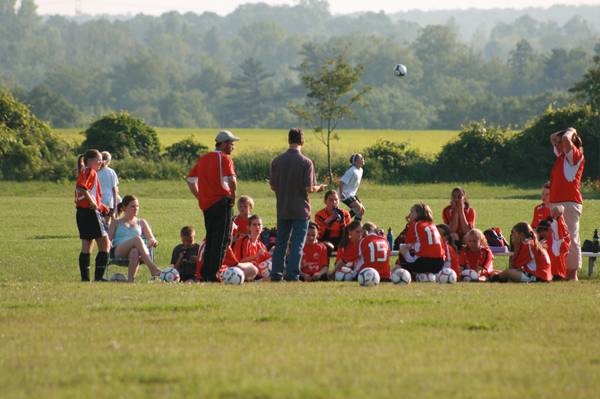
The intergenerational side of grassroots football strengthens this further. You get the parents who meet on the touchline every Sunday and become genuine friends themselves, bonded through years of shivering together while shouting encouragement. You get the old players who have hung up their boots but still turn up to coach, bringing the same dry humour and wisdom that once held their own
dressing room together. You get kids meeting adults who aren’t teachers or family members, building confidence by interacting with a wider circle of people. Clubs become their own mini communities where everyone knows each other’s stories, strengths, weaknesses and habits. Then when someone needs support, whether it’s a fundraiser, a lift or just someone to talk to, the response is instinctive and often immediate.
It’s also worth saying that grassroots football provides one of the easiest routes into a community for newcomers. Move to a new area, join a team and within weeks you’ve got a ready made set of connections. Accents, backgrounds and personal differences fade quickly when everyone’s covered in mud and chasing the ball. The game levels people out. It gives shy adults something to talk about and gives kids a safe space to learn social confidence. For those who struggle to meet new people or feel like they don’t quite fit anywhere, a local football team can be genuinely life changing.
And then there are the memories. Me and my friends spent hours over a few drinks talking about last minute winners, cup final wins and losses and some amazing old characters we’d had the pleasure to cross paths with. Ask anyone who played as a child or young adult and they’ll never struggle to describe the goals they scored or even recall the car journey to an away game on a dark winter’s morning with absolute clarity. They remember the teammate who always made them laugh, the coach’s dodgy team talks, the buzz of the changing room after a hard fought result. Even ex professionals often talk about missing the banter and the camaraderie more than the football itself when they stop playing. That sense of belonging, of being part of something consistent, is harder to replace as you get older. Thankfully, grassroots football has a funny way of reinventing itself. Players can drift into walking football, volunteer roles or just meeting to watch the matches together, and the friendships created years earlier carry on in new ways.
At a time when so many traditional community spaces have disappeared and so much of life has shifted online, the simple act of turning up to a pitch with a group of people carries a significance to it. Grassroots clubs work as “third places” without ever meaning to. They give people somewhere to go that isn’t home and isn’t school, a regular spot where conversations happen naturally and friendships take shape without being forced. They’re held together not by big budgets or marketing plans but by volunteers, parents, coaches and players who keep showing up because they love what the club represents.
The strongest evidence for grassroots football’s power to forge lifelong friendships isn’t found in research papers or mental health statistics, though there are plenty. It’s found in the lived experience of the people involved. Ask former players what they remember most and very few will talk about league positions. Instead, they’ll talk about teammates who became best men at weddings, godparents, emergency phone calls, long term friends who feel more like extended family. They’ll talk about the moments when they first felt accepted, the days the team helped them through something difficult and the years that shaped who they became.
That’s why our grassroots game matters so much. Not because of plastic cups or perceived status, but because it remains one of the most reliable ways of bringing people together and keeping them connected. The game is just a brilliant excuse. The real achievement is the community it builds and the sense of belonging it gives to anyone willing to turn up and give it a go.