
We’ve all been there. Couldn’t find the ground, got stuck in traffic, had a bad morning and all of a sudden the time you’d set aside for getting the team warmed up properly and ready to go has disappeared and you push them out on to the pitch with a few words of encouragement and hope for the best.
In grassroots football, warm ups and cool downs are often the first things to get trimmed, ignored or rushed through, especially when you’re short on time and everyone just wants to get the ball out and start playing. You see it every week, kids arriving 10 minutes before kick off or parents racing straight from work to get their child to the game, boots are barely tied before they’re straight into a rondo or a shooting drill. To many players, the warm-up is “the boring bit before the real stuff starts”, and the cool down is something only pros would consider bothering with. Yet, after years in the game, you realise that these moments either side of a session are far more important than they look. They quietly protect players, sharpen minds and build good habits and discipline that lasts much longer than a single match. They are effective, unglamorous yet often overlooked which is exactly why they matter.
Done correctly a football match will place huge demands on the body. You’re asking muscles to sprint, turn, explode, impact in tackles and react at pace. You’re asking the heart to go from resting to racing. You’re asking the brain to make hundreds of micro decisions under pressure. You can’t just flick a switch and be ready for that. A warm up bridges the gap between everyday life and the intensity of football. I’ve watched teams skip it entirely then wonder why everything feels flat for the first half of the game. The science, if you choose to put faith in it, explains the details with improved muscle elasticity, sharper neuromuscular responses and fewer strains. You don’t need a journal article to see the results though, a team that warms up properly moves better, thinks better and starts better. It’s as simple as that.
It doesn’t only apply to physical readiness either, a good warm up clears the mind and improves focus. Players come to training and matches carrying all sorts from their young lives with them such as schoolwork, stress or whatever’s going on at home. Even kids need that mental reset. Football demands sharpness from the first whistle, and if you start the game still half distracted you’re already at a disadvantage. Warm ups give players a chance to switch on together, to build a rhythm and focus and to reconnect with one another having maybe not seen each other for half the week. A sharp fifteen minutes at the start can be the difference between chasing the game and dictating it.
Often, the issue at grassroots level is time. Coaches don’t always get the luxury of long, structured routines. Players turn up late. The weather’s rubbish. The space is limited. Maybe you’re following straight on after another game with someone else following you so warm ups get squeezed into a token lap round the perimeter and a couple of stretches that don’t do much for anyone. A good warm up doesn’t have to be dull or long. In fact, the best ones are creative, energising and enjoyable. Static stretching doesn’t have to be the dominant feature, what players often need is movement, dynamic actions that raise their heart beat, temperature and mimic what they’ll actually do in the match. High knees, side shuffles, quick accelerations, mobility work, nothing overly complicated but it wakes the body up. Then when you add a ball into the mix, engagement goes up.
Passing patterns, light dribbling, rondos, suddenly the warm up looks more like part of the session rather than something players endure. They’re preparing physically while connecting technically, mentally and socially.
A warm up can even offer subtle tactical preparation. Simple transition games, pressing triggers, quick combination exercises all reinforce habits that the team needs when the real play starts. You start to see players communicating earlier, organising earlier, and switching on earlier. They carry that energy with them and when a team warms up with purpose and focus, it sends a message about standards, not just to opponents but to themselves.
Cool downs are virtually non-existent in junior grassroots football. Once the game ends, especially a tough one, players are already mentally halfway home. They pick up their bottles, take off their pads, chat about the result and before you know it they’re in the car. However those few minutes immediately after the exertion of a match matter enormously. Anyone who’s ever woken up the day after a match feeling like they’ve aged thirty years knows how important recovery is. Light movement after a match, nothing too strenuous, just walking, a gentle jog, and some relaxed movement helps the body settle again. It clears waste from the muscles, reduces soreness and speeds up recovery. Across a season, that small investment pays off with fewer niggles, fewer tight hamstrings, fewer players missing training because they’re aching after a weekend game.
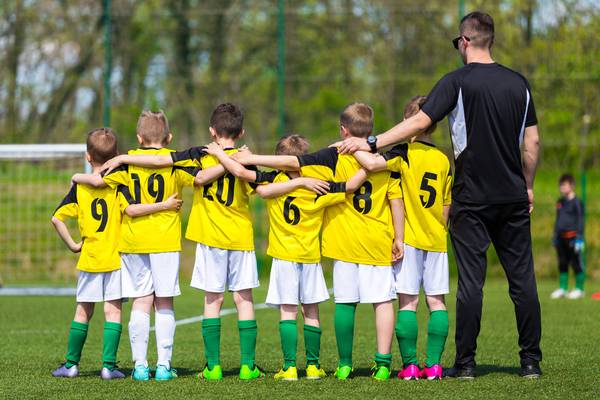
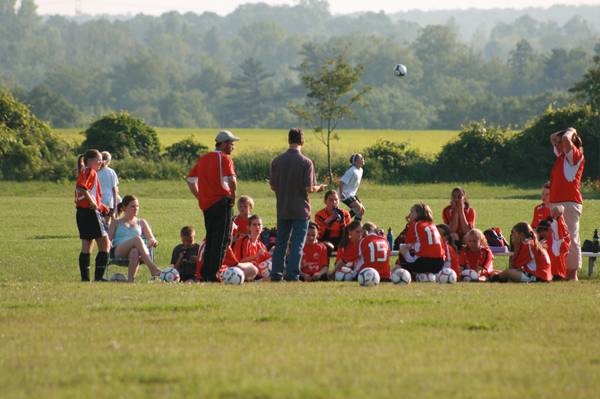
There’s also more to a cool down than physiology, it can be the moment where you gather as a team and finish together. The chaos of the match is gone, the adrenaline is fading and the group falls naturally into conversation and reflection. For young players especially, this ritual teaches perspective. Wins and losses both feel less extreme when you’ve got time to talk them through in a calm setting. Coaches can check in with players, offer encouragement, reinforce lessons and spot anyone who might be struggling physically or mentally. These moments create unity. Some of the most honest conversations I’ve had with players have happened during a slow walk on the pitch after the game.
Of course, consistency is the hardest part. Sometimes you’re sharing a pitch with another team.
Sometimes the rain is biblical and nobody wants to hang around for more than ten seconds. But there are always ways to make it work. Five minutes of focused activity is can be worth its weight in gold. When players understand why they’re doing something, they buy into it. Explain how hip mobility affects turning speed, or how a proper hamstring routine can improve sprinting and reduces the chance of a strain and suddenly you’ve got players holding themselves accountable.
The FA and other governing bodies have been pushing this message for years, preparation and recovery aren’t extras, they’re part of the session. When you look at the professional game, you see the influence. Warm ups and cool downs are non-negotiable, woven directly into performance plans.
Grassroots football doesn’t need to copy everything the elite level does, but we can all learn from the important principles they push forward. We know the grassroots game is where lifelong habits can form. A child who learns to warm up properly isn’t just safer in football, they’re safer in any physical activity they ever do. It’s a gift that keeps paying off for them.
As mentioned, there’s also a social value to these routines that often goes unnoticed. Before a session, the warm up is when the group reconnects with players chatting, laughing, shaking off the day and switching into football mode. After the session, the cool down is a shared chance to breathe out. These bookends create a structure and belonging. We know that football isn’t just about the game or the result, it’s about the environment you build, the care you show for one another and the standards you uphold.
The grassroots level of football thrives on passion and togetherness, and both warm ups and cool downs strengthen these. They protect bodies, sharpen minds, build routines and reinforce what we’re doing. A team that warms up properly looks prepared, a team that cools down together looks connected. Over time, those little habits add up to fewer injuries, better performances and players who feel cared for rather than always rushed.
In many ways the real value of warm ups and cool downs is their simplicity. They cost nothing and don’t have to require any special kit. It’s just about consistency and intention. Yet their influence reaches every corner of the game, from physical health to confidence to team spirit and surely that’s worth adding in if you aren’t already doing so.