
The final whistle blows, and within seconds, phones across the community buzz with questions: "What was the score?" "How did they play?" "Did my child score?" For grassroots football clubs, sharing match results promptly has become an essential part of keeping families engaged and building vibrant team communities. However, many clubs still struggle with delayed, inconsistent, or scattered communication that frustrates parents and misses opportunities to celebrate young players' achievements.
Modern football results updates shouldn't require coaches to spend their post-match time responding to individual messages or updating multiple platforms manually. TeamStats and similar digital platforms transform result sharing from a time-consuming chore into an instant, automated process that strengthens community bonds whilst respecting volunteers' limited time. When clubs communicate match outcomes efficiently, everyone benefits - parents stay informed, players receive timely recognition, and coaches can focus on what matters most.
The Importance of Timely Match Result Communication
Prompt result sharing goes far beyond simply recording scores. The speed and quality of post-match communication significantly impacts how families perceive their club's professionalism and how deeply they engage with the broader team community.
Building Excitement and Engagement
Parents invest considerable time attending matches, supporting their children's development, and contributing to club activities. When results arrive quickly after final whistles, this investment feels valued and appreciated. Immediate updates allow families to share achievements with grandparents, extended family, and friends whilst excitement remains fresh, amplifying positive moments and strengthening emotional connections to the club.
Young players particularly benefit from prompt recognition of their contributions. When goal scorers receive quick acknowledgement or strong defensive performances get highlighted within hours rather than days, children feel valued and motivated to continue improving. This timely positive reinforcement supports player development far more effectively than delayed feedback that arrives after initial excitement has faded.
Creating buzz around club successes through rapid result sharing also strengthens community spirit. When multiple teams within a club experience victories on the same weekend, sharing these achievements collectively builds momentum and pride that benefits everyone. Families supporting under-11s become aware of under-14s' successes, creating connections across age groups that transform clubs from collections of individual teams into cohesive communities.
Meeting Modern Expectations
Today's families expect instant information access across all aspects of life. Banking, shopping, news, and entertainment all deliver real-time updates, shaping expectations around communication speed that extend to grassroots football. Clubs still relying on next-day or weekly result summaries increasingly appear outdated compared to organisations providing immediate updates.
Competition for family engagement continues intensifying as children's activity options expand. Clubs demonstrating professional communication standards through efficient football results updates gain advantages in attracting and retaining families. Parents weighing multiple football club options often choose organisations that clearly value their time and demonstrate operational competence through modern communication practices.
Traditional Methods of Sharing Results
Understanding why traditional result-sharing approaches fall short helps illustrate the value digital solutions provide for busy grassroots clubs.
WhatsApp Groups and Social Media Challenges
Many clubs rely on WhatsApp groups for team communication, including result sharing. However, these platforms create several significant problems. Match result messages quickly become buried beneath subsequent conversations about training times, kit collection, and social chat. Parents checking group chats hours after matches often struggle to locate score information amidst hundreds of unrelated messages.
Different families prefer different communication channels - some actively use WhatsApp, others favour Facebook, whilst many avoid social media entirely. When coaches share results on single platforms, substantial portions of club communities miss information entirely, creating frustration and perception that the club communicates poorly.
WhatsApp and social media also provide no permanent, easily accessible result records. Finding previous match scores requires scrolling through lengthy conversation histories, making it difficult for parents to track season progress or help children review performance patterns. This lack of organised historical data limits the value these platforms provide beyond immediate post-match updates.
Manual Result Entry and Reporting
Traditional result recording involves coaches completing paper forms, emailing results to club administrators, or updating multiple league systems separately. Each step introduces opportunities for errors - transcription mistakes, submission delays, or inconsistencies between different platforms. These inefficiencies waste volunteer time whilst reducing data accuracy.
Volunteers managing result entry often face overwhelming workloads updating league tables, player statistics, and club records across multiple age groups. When these updates rely on manual processes, delays become inevitable, particularly during busy fixture periods when multiple teams play simultaneously. Parents waiting days for league position updates or goal scorer confirmations grow frustrated with what appears to be poor organisation, even when delays simply reflect volunteers' capacity constraints.
How Instant Result Systems Transform Communication
Digital platforms designed specifically for grassroots football eliminate traditional result-sharing frustrations through intelligent automation that respects both family information needs and volunteer time limitations.
Real-Time Match Updates
Modern systems allow coaches to enter scores directly into mobile apps during or immediately after matches. These entries trigger automatic notifications to all team members simultaneously, ensuring every parent receives information regardless of their preferred communication platform. Push notifications, emails, and in-app alerts work together to reach families through whichever channel suits their preferences best.
Eliminating the constant "what was the score?" questions saves coaches significant time and mental energy. Rather than fielding individual queries from multiple parents over several hours or days, single entries deliver information to everyone instantly. This efficiency particularly benefits coaches managing multiple teams or balancing football volunteering with demanding work schedules.
Automated football results updates also enable sharing beyond immediate team circles. Club administrators can configure systems to share results with broader stakeholder groups - other coaches, committee members, or general club supporters - creating wider awareness of activities across all age groups. This visibility strengthens club identity and encourages cross-team support that enriches community atmosphere.
Centralised Result Repositories
Perhaps the most valuable aspect of digital result management involves creating permanent, easily accessible records of all match data. Rather than searching through scattered messages or paper archives, parents and coaches access complete fixture histories through simple interfaces showing scores, dates, opponents, and associated reports or statistics.
These centralised repositories prove particularly valuable for tracking season progress and supporting player development conversations. Coaches reviewing tactical approaches can quickly reference previous matches against upcoming opponents. Parents discussing their children's progress with coaches access objective performance data spanning entire seasons rather than relying solely on subjective memories of recent matches.
Historical records also support league management by maintaining clear documentation for resolving disputes, confirming fixture completion, or providing required reporting to governing bodies. This administrative value often goes unrecognised until clubs face situations requiring historical verification, at which point organised digital records prove invaluable.
Key Features of Effective Results Management
The most successful football results updates systems incorporate specific functionality designed around how grassroots football actually operates rather than generic platforms requiring awkward workarounds.
Quick Score Entry Interfaces
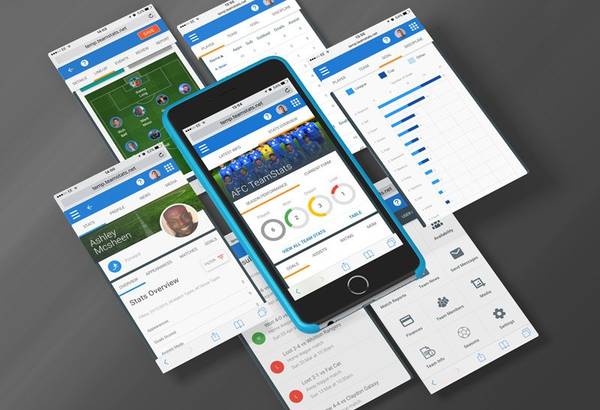
Mobile-first design acknowledges that most result entry occurs from touchlines or changing rooms immediately after final whistles. Interfaces optimised for smartphone use with large buttons, simple forms, and minimal required information allow coaches to share results in under 30 seconds without returning to computers later.
The best platforms balance simplicity with optional detail - core score entry requires just opponent name, final score, and perhaps goal scorers, whilst coaches wanting to add match reports, player ratings, or tactical notes can access these features without them cluttering basic workflows. This flexibility accommodates different coaching preferences and match importance levels without forcing unnecessary work.
Auto-save functionality protects against data loss when network connections prove unreliable at remote pitch locations. Coaches can begin entering information during matches, knowing their work saves automatically and will upload once connectivity returns rather than requiring complete re-entry if apps close unexpectedly.
Automated Distribution Channels
Once coaches submit results, intelligent distribution systems handle all communication automatically. Push notifications deliver instant alerts to team members who have enabled this feature, whilst email summaries reach those preferring traditional methods. This multi-channel approach maximises reach without requiring coaches to manually manage multiple platforms.
Social media integration allows clubs to amplify successes beyond private team circles when appropriate. Automated posting to club Facebook pages or Twitter accounts shares positive news with wider supporter communities, attracting new members and building club reputation. Coaches retain control over which results get shared publicly, ensuring sensitive information or disappointing performances remain within private team communications.
Customisable notification preferences respect individual family communication preferences. Some parents want immediate alerts for every result, others prefer weekly summaries, whilst some only want notifications for their child's specific team. Flexible configuration allows everyone to receive information at levels matching their engagement without overwhelming disinterested parties with excessive notifications.
League Table and Statistics Integration
Real power emerges when result entries automatically update broader data systems. League tables recalculate instantly showing current positions, upcoming fixtures display clearly, and player statistics accumulate accurately across entire seasons. This integration eliminates duplicate data entry whilst ensuring consistency between different information sources.
Player statistics tracking proves particularly valuable for youth development. Systems recording goal scorers, assists, appearances, and other metrics create comprehensive performance profiles supporting coaching conversations and player progression decisions. Rather than relying on coaches' memories or incomplete paper records, objective data helps identify top performers, track individual improvement, and support fair team selection decisions.
Recognition features celebrating milestones - first goals, appearance landmarks, or consistent performance - add motivational value that strengthens player engagement. Automated celebrations when young players reach these achievements demonstrate club appreciation whilst requiring zero additional volunteer effort.
Benefits for Different Stakeholders
Efficient result management delivers distinct advantages to various groups within grassroots football communities, creating value that extends well beyond simple time savings.
For Coaches and Team Managers
Coaches experience immediate relief from the constant result-related questions that fragment their limited volunteer time. Rather than responding to individual queries between work commitments or during family time, they share information once and move on. This efficiency reduces stress and makes coaching roles more sustainable for volunteers already stretched thin.
Professional communication standards enhance coaches' credibility with parents and club leadership. When results appear promptly and consistently through official channels, coaches demonstrate organisational competence that builds trust and confidence. This professionalism particularly benefits newer coaches establishing themselves within clubs or more experienced volunteers seeking advancement to senior coaching roles.
Quick access to performance data supports improved tactical planning and player development. Coaches preparing for upcoming matches reference previous results against opponents, identify performance patterns, and make evidence-based decisions rather than relying solely on memory or intuition. This data-driven approach improves coaching quality whilst demonstrating professionalism that parents appreciate.
For Parents and Families
Parents unable to attend matches due to work commitments, other children's activities, or distance appreciate receiving football results updates that keep them connected to their children's football experiences. Knowing scores, goal scorers, and basic match details allows meaningful conversations about games even when physical attendance proves impossible, strengthening parent-child bonds around shared football interest.
The ability to share achievements with extended family proves particularly valuable. Grandparents, aunts, uncles, and family friends interested in children's activities can follow progress through shared app access or forwarded updates without requiring parents to manually relay information repeatedly. This extended family engagement enriches children's experiences whilst reducing parental communication workload.
Transparent result records support understanding around team performance expectations. When parents access complete season histories showing consistent patterns rather than isolated match results, they gain perspective on developmental trajectories that tempers unrealistic short-term expectations. This broader view promotes more constructive attitudes toward youth football's developmental priorities over winning obsessions.
For Players
Young players thrive on recognition and validation of their efforts. When match performances receive prompt acknowledgement through official club communications, children feel valued and motivated to continue improving. This positive reinforcement proves particularly important for players who may not always be top performers but contribute valuable efforts deserving celebration.
Tracking personal milestones creates meaningful narratives around football journeys that children remember long after specific matches fade from memory. First goals, significant appearance numbers, or consistent performance streaks documented through organised systems become cherished markers of progress that build confidence and self-esteem beyond football contexts.
Building pride in team achievements through visible result sharing strengthens commitment to clubs and teammates. When children see their successes celebrated alongside other age groups' performances, they understand their place within broader club communities and develop loyalty that sustains participation through challenging developmental periods when progress feels slow.
Enhancing Community Spirit Through Results Sharing
Beyond practical administrative benefits, efficient result communication plays crucial roles in building the social connections that make grassroots football special.
Celebrating Success Together
Prompt sharing of positive results amplifies joy across club communities. When multiple teams experience victories during single weekends, collective celebration creates momentum and enthusiasm that benefits everyone. Families supporting younger age groups become aware of older teams' successes, whilst senior team parents learn about junior achievements, creating cross-pollination of support that enriches overall atmosphere.
Recognition of individual and team accomplishments through official channels validates volunteer coaches' efforts and children's dedication. Public acknowledgement demonstrates that clubs notice and appreciate contributions, strengthening emotional connections that encourage continued participation and volunteering. This positive cycle of recognition and engagement proves essential for club sustainability.
Sharing successes beyond immediate team circles attracts new members and enhances club reputation within local communities. Prospective families researching football options notice clubs actively celebrating achievements and maintaining professional communication standards, creating competitive advantages in crowded youth sports markets.
Creating Transparent Performance Records
Organised historical records support fair, objective conversations around performance expectations and player development. When discussions about tactical approaches, selection decisions, or training focus reference documented match data rather than selective memories, everyone benefits from increased transparency and reduced potential for conflicts arising from miscommunication or perception gaps.
These records also prove valuable for players transitioning between age groups or seeking opportunities with representative teams. Comprehensive performance histories provide evidence supporting progression decisions and help identify appropriate placement levels ensuring children compete where they can thrive rather than struggling in overly challenging or insufficiently stimulating environments.
Maintaining accurate club archives preserves institutional memory as volunteers rotate through roles. New committee members, incoming coaches, or future club historians benefit from accessible records documenting club activities and achievements across years. This continuity strengthens organisational identity and supports informed decision-making based on historical patterns rather than limited recent experience.
Best Practices for Result Management
Successfully implementing efficient result systems requires thoughtful processes that balance automation benefits with grassroots football's unique characteristics and values.
Establishing Consistent Processes
Clear assignment of result-reporting responsibilities prevents matches from falling through communication gaps. Whether designating team managers, head coaches, or rotating parent volunteers, explicit accountability ensures every fixture receives proper documentation. Written procedures outlining who reports results, required information, and submission timelines create consistency that families come to expect and rely upon.
Standard formats for match reports balance providing useful information with respecting volunteers' limited time. Simple templates prompting essential details - score, goal scorers, standout performances - ensure consistency whilst allowing coaches to add optional commentary when matches merit additional context. Standardisation also improves information accessibility by creating familiar structures families quickly understand.
Realistic timelines acknowledging volunteer constraints prevent processes from creating new stress rather than reducing existing burdens. Requiring result entry within two hours of final whistles may prove unrealistic for coaches managing post-match player welfare responsibilities or travelling significant distances. Twenty-four hour windows typically provide sufficient promptness whilst accommodating various circumstances volunteers face.
Balancing Detail with Simplicity
Essential information should receive priority over comprehensive documentation that risks overwhelming families or requiring excessive volunteer effort. Final scores, goal scorers, and brief performance summaries typically satisfy most stakeholder information needs without demanding extensive writing that many coaching volunteers find challenging or time-consuming.
Age-appropriate reporting acknowledges different developmental stages and competitive contexts. Under-7 match reports might celebrate effort and learning moments without emphasising scores, whilst under-16 results appropriately focus on competitive outcomes and tactical execution. This adaptation ensures communications support appropriate developmental priorities rather than imposing one-size-fits-all approaches misaligned with different age groups' needs.
Focus on development over pure results helps maintain healthy perspectives on youth football purposes. Reports highlighting individual improvement, team progression toward seasonal goals, or collective effort alongside actual scores remind families that winning represents just one aspect of successful youth football programmes prioritising holistic player development.
Safeguarding and Sensitivity Considerations
Protecting children's privacy remains paramount when sharing information beyond private team circles. Public communications should avoid including identifying details like full names, ages, or photos without explicit parental consent. Even within closed team groups, coaches must exercise caution ensuring shared information respects privacy expectations and doesn't inadvertently expose sensitive details about individual children or families.
Positive framing for all match outcomes supports healthy attitudes toward competition and resilience building. Defeats can be acknowledged whilst highlighting effort, learning opportunities, or specific positive performances that occurred despite disappointing results. This balanced approach helps children develop perspective recognising that growth occurs through challenges as much as successes.
Managing expectations around winning and losing proves particularly important in competitive youth football contexts. Result communications should reinforce that all performances deserve respect, officials' decisions should be accepted gracefully, and opponents deserve recognition as partners in shared football experiences rather than enemies to be defeated. These values transmitted consistently through official club communications shape young players' character development beyond technical football skills.
Conclusion
Efficient football results updates represent far more than administrative convenience for busy grassroots clubs. Prompt, consistent, professional result sharing strengthens family engagement, supports player motivation, enhances club reputation, and respects volunteers' limited time. In an era when families expect instant information access, clubs maintaining delayed or inconsistent communication risk appearing poorly organised regardless of their actual quality.
Digital platforms designed specifically for grassroots football eliminate traditional result-sharing frustrations whilst creating valuable historical records supporting player development and club administration. The small investment required to implement modern systems delivers significant returns through improved stakeholder satisfaction, reduced volunteer burden, and strengthened community bonds that make youth football experiences genuinely special for everyone involved.
If your club still relies on fragmented communication channels or manual processes creating delays and frustration, exploring a comprehensive team management app could transform your result-sharing approach. The benefits extend well beyond saved time into deeper family engagement, enhanced player recognition, and stronger community spirit that enriches grassroots football for current and future generations.