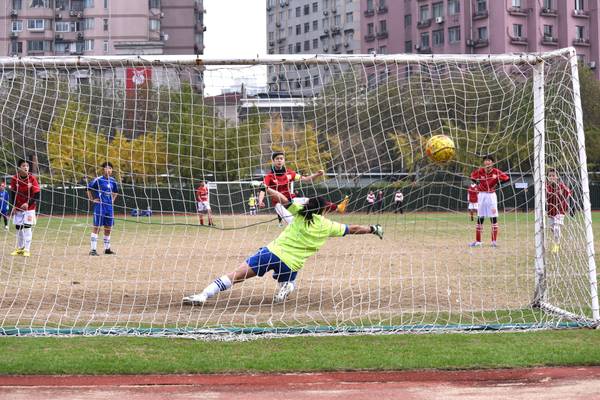

The off-season presents one of grassroots football's most overlooked challenges. After the final fixture, many youth football teams scatter for weeks or months, only to reconvene in pre-season with fitness levels dropped and technical sharpness dulled. Volunteer managers face a dilemma: players need rest and time away from structured football, yet complete inactivity creates setbacks that take weeks to reverse.
This period between seasons doesn't require intensive training camps or daily sessions. Rather, maintaining momentum during the off-season means providing players with enough structure to preserve fitness and skills whilst respecting their need for recovery and variety. The approach differs significantly from in-season training, focusing on enjoyment, individual development, and sustainable habits that prevent the dreaded "starting from scratch" scenario when organised sessions resume.
Understanding the Off-Season Challenge
Youth football players typically face 8-12 weeks without competitive fixtures during summer breaks. Research from the FA's Youth Development Review shows that young footballers can lose up to 15% of their aerobic capacity within four weeks of complete inactivity. Technical skills, whilst more resistant to decline, still suffer from lack of repetition - first touch, passing accuracy, and decision-making speed all deteriorate without regular practice.
The challenge extends beyond physical decline. Team cohesion weakens when players spend months apart, particularly problematic for squads that have worked hard building communication and understanding throughout the season. New players joining for the following campaign face integration challenges when pre-season becomes their first exposure to teammates and playing style.
Volunteer coaches and managers juggle their own family commitments during school holidays, making structured sessions difficult to organise. Player availability fluctuates with family holidays, summer camps, and other activities. This reality means off-season training must be flexible, low-maintenance, and engaging enough to compete with beaches, theme parks, and video games for young players' attention.
Setting Realistic Off-Season Objectives
Effective off-season training planning starts with appropriate expectations. The goal isn't maintaining peak match fitness - that's neither necessary nor sustainable. Instead, focus on three achievable objectives that prevent significant regression whilst allowing proper recovery.
Preserve baseline fitness levels. Players should maintain cardiovascular capacity within 10-15% of end-of-season levels. This modest target means pre-season conditioning takes 2-3 weeks rather than 6-8 weeks, getting teams match-ready faster when fixtures resume.
Maintain technical familiarity. Regular ball contact, even informal, preserves muscle memory and coordination. Players who touch a football weekly during breaks retain technical sharpness far better than those who abandon the sport entirely for months.
Sustain team connection. Keeping communication channels open and organising occasional gatherings maintains squad cohesion. Players who stay connected transition back into team training more smoothly, with established relationships and understanding intact.
These objectives require minimal time investment - perhaps 2-3 hours weekly of player activity, much of it informal and self-directed. The approach prioritises sustainability over intensity, recognising that volunteer-run teams cannot replicate academy-style summer programmes.
Flexible Training Structures for Summer Breaks
Traditional weekly training sessions often prove impractical during off-season periods. School holidays scatter families across different weeks, whilst coaches themselves need breaks from regular commitments. Successful off-season training programmes adopt flexible structures that accommodate these realities whilst maintaining enough consistency to achieve objectives.
Fortnightly optional sessions strike an effective balance. Scheduling casual training every two weeks provides structure without overwhelming commitment. Making attendance optional removes pressure on families with holiday plans whilst giving players regular touchpoints with teammates and coaches. These sessions work best as relaxed, game-focused gatherings rather than intensive drills - think small-sided matches, skills challenges, and social elements like post-training refreshments.
Drop-in football opportunities leverage existing community provision. Many leisure centres and sports clubs run casual football sessions during summer holidays. Directing players toward these opportunities maintains their activity levels without requiring team-specific organisation. Football coaching apps allow managers to share local session details and track which players participate, maintaining visibility of squad activity without formal obligations.
Home training programmes provide structure for players unable to attend group sessions. Creating age-appropriate individual training plans gives players guidance for self-directed practice. These programmes needn't be complex - simple weekly targets like "complete three 20-minute ball mastery sessions" or "play football with friends twice this week" maintain engagement without demanding excessive time or resources.
The key lies in offering multiple participation pathways. Some players thrive with regular structure, others prefer complete freedom, whilst many appreciate occasional touchpoints without weekly commitments. Providing options ensures the entire squad maintains some level of engagement rather than mandating one approach that inevitably excludes players with conflicting schedules.
Age-Appropriate Off-Season Activities
Off-season training approaches must align with developmental stages. What works for Under-16 players proves entirely inappropriate for Under-8s, whilst adult Sunday league footballers require different considerations again.
Foundation Phase (Under-7 to Under-11) players benefit most from multi-sport activity during breaks. At these ages, football-specific training matters less than general movement competency, coordination, and enjoyment. Understanding the best age to start playing football helps coaches set realistic expectations. Encouraging swimming, athletics, cycling, and playground games develops broader physical literacy whilst preventing burnout from year-round football focus. When football activities do occur, keep them playful and varied - skills challenges, small-sided games with modified rules, and fun competitions rather than tactical work or fitness drills.
Youth Development Phase (Under-12 to Under-16) players can handle more structured off-season training work, though recovery remains important. This age group benefits from technical practice that addresses individual weaknesses identified during the season. Ball mastery work, weaker foot development, and position-specific skills suit self-directed practice. Group sessions can introduce tactical concepts for the upcoming season without physical intensity - walking through formations, discussing roles and responsibilities, and video analysis of professional matches provide mental engagement whilst bodies recover.
Adult grassroots football players face unique off-season challenges. Sunday league teams often see players gain weight and lose fitness during summer breaks, creating injury risks when competitive football resumes. This demographic benefits from social fitness activities - 5-a-side tournaments, walking football sessions, or group runs that maintain conditioning through camaraderie rather than obligation. Adult players typically respond well to personal responsibility approaches, with fitness targets and individual programmes they can complete around work and family commitments.
Maintaining Technical Skills Without Formal Sessions
Technical ability deteriorates more slowly than fitness but still suffers from extended inactivity. The good news: maintaining technical skills requires less structure than fitness work, with short, frequent practice sessions proving more effective than occasional intensive training.
Individual ball mastery practice forms the foundation of off-season training technical maintenance. Players need just 15-20 minutes three times weekly to preserve touch, control, and manipulation skills. Creating simple routines - juggling progressions, cone dribbling patterns, wall passing sequences - gives players structured activities they can complete in gardens, parks, or any small space. Video demonstrations shared through team communication channels ensure players understand techniques and can self-correct.
Informal small-sided games develop technical application under pressure. Encouraging players to organise casual matches with friends or siblings maintains decision-making speed and game awareness. These informal sessions often prove more developmentally valuable than structured training, as players experiment with skills, try different positions, and play without fear of mistakes. Managers can facilitate this by sharing local grassroots football venues, connecting players who live near each other, and creating WhatsApp groups where players can arrange kickabouts.
Position-specific challenges maintain specialised skills for players developing in particular roles. Goalkeepers need regular handling work, defenders benefit from 1v1 defending practice, whilst attackers should maintain finishing routines. Creating position-specific challenge cards - tasks players can complete independently with minimal equipment - ensures specialists don't lose technical edge during breaks. For example, goalkeeper challenges might include "50 catches from thrown balls at different heights" or "20 low diving saves to each side," whilst striker challenges could focus on "30 finishes from different angles" or "weaker foot shooting practice."
Using Technology to Maintain Engagement
Digital tools transform off-season management, turning what was once a communication blackout into an opportunity for sustained engagement. Modern platforms allow managers to maintain squad connection, share resources, and monitor activity levels without demanding excessive time from volunteers or players.
Team management apps centralise off-season communication, replacing scattered WhatsApp threads and email chains with organised channels. Managers can share training resources, post local football opportunities, and maintain squad visibility throughout breaks. Players and parents access information when convenient rather than being bombarded with messages during family holidays.
Activity tracking features help managers understand squad engagement without intrusive monitoring. Simple check-ins - "trained this week?" or "played football during holiday?" - provide visibility of who's maintaining activity and who might need encouragement. This data proves invaluable when planning pre-season, allowing coaches to tailor conditioning work based on individual off-season activity levels rather than assuming uniform fitness across the squad.
Video sharing capabilities enable remote coaching and skill development. Managers can post technique demonstrations, tactical explainers, or professional match clips that educate players whilst away from training. Players can submit videos of their individual practice for feedback, maintaining coach-player connection during extended breaks. This asynchronous approach respects everyone's holiday schedules whilst sustaining development focus.
Challenge boards and competitions gamify off-season training, particularly effective for younger age groups. Creating skill challenges - "most consecutive juggles," "best trick video," "most creative goal celebration" - with leaderboards and prizes maintains engagement through friendly competition. These activities require minimal organisation once established, with players self-reporting results and sharing evidence through team platforms.
Balancing Rest With Readiness
Perhaps the most critical aspect of off-season management involves recognising that rest is not the enemy of progress. Young players especially need mental and physical breaks from structured sport to prevent burnout and maintain long-term engagement. The challenge lies in distinguishing between beneficial rest and detrimental inactivity.
Planned rest periods should form explicit parts of off-season training programmes. Recommending 2-3 weeks of complete break from organised football - no training, no matches, no football-specific practice - allows bodies to recover and minds to reset. This rest proves particularly important after long, intense seasons or for players who participate in multiple sports or representative teams. Communicating these rest periods as deliberate, beneficial choices rather than laziness helps parents and players understand their value.
Active recovery approaches maintain general fitness whilst providing variety from football-specific training. Swimming, cycling, hiking, and other recreational activities preserve cardiovascular capacity and movement quality without the repetitive stresses of football. Encouraging players to try new sports or activities during off-season breaks develops broader athleticism whilst preventing the staleness that comes from year-round single-sport focus.
Gradual return protocols prevent the shock of sudden training resumption. Rather than jumping straight from complete inactivity to full-intensity pre-season, effective programmes phase activity back gradually. The final 2-3 weeks before pre-season might include weekly individual ball work, then fortnightly group sessions, before formal pre-season training begins. This graduated approach reduces injury risk whilst building anticipation for the season ahead.
Pre-Season Planning During Off-Season
The off-season period provides valuable time for managers to plan the upcoming campaign without the weekly pressures of fixtures and training. This preparation time proves especially valuable for volunteer managers juggling football commitments with work and family responsibilities.
Squad assessment and planning benefits from the reflection time off-season provides. Reviewing the previous season's performances, identifying development priorities, and planning tactical approaches for the coming year requires concentrated thinking time rarely available during active seasons. Off-season breaks allow managers to analyse what worked, what didn't, and what changes might benefit the team.
Fixture and training schedule creation becomes more manageable when completed before pre-season chaos begins. Coordinating with grassroots football leagues, booking training facilities, and planning the season calendar during quieter summer months prevents last-minute scrambling when players return. Digital planning tools allow managers to build schedules gradually, adjusting as information becomes available without pressure of imminent deadlines.
Resource preparation and organisation ensures smooth pre-season starts. Ordering equipment, updating registration paperwork, reviewing safeguarding requirements, and handling administrative tasks during off-season prevents these necessary but time-consuming activities from eating into valuable training time when sessions resume. Getting organised during breaks means pre-season focuses on football rather than admin catch-up.
Communication Strategies for Extended Breaks
Maintaining appropriate contact during off-season requires balancing two competing needs: keeping players engaged and connected whilst respecting their right to switch off from football commitments. Excessive communication during holidays irritates families, whilst complete silence allows disengagement that proves difficult to reverse.
Fortnightly updates provide regular touchpoints without overwhelming inboxes. Brief messages sharing upcoming session dates, off-season training suggestions, or general team news maintain presence without demanding responses or action. These communications work best when genuinely useful rather than contact for its own sake - sharing local football opportunities, highlighting relevant coaching resources, or providing season planning updates all add value rather than noise.
Optional engagement opportunities respect varying preferences for off-season involvement. Some players and families want complete breaks, others appreciate ongoing connection. Creating optional channels - social media groups, challenge competitions, informal sessions - allows those seeking continued engagement to participate whilst not pressuring those preferring distance. Making participation explicitly optional removes guilt from families prioritising holidays and rest.
Pre-season countdown communications rebuild momentum as the new season approaches. Increasing communication frequency in the final 3-4 weeks before pre-season - sharing training dates, discussing season objectives, introducing new players - generates anticipation and ensures smooth transitions back to regular training. This graduated communication ramp mirrors the physical activity progression, building toward season start without abrupt switches from silence to intensity.
Conclusion
Maintaining training momentum during off-season doesn't require replicating in-season structures or demanding academy-level commitment from grassroots football players and volunteer managers. Rather, it involves providing enough structure to prevent significant regression whilst respecting the need for rest, variety, and family time that makes youth football sustainable long-term.
The most successful approaches embrace flexibility, offering multiple participation pathways that accommodate different family circumstances and player preferences. Fortnightly optional sessions, individual training programmes, and digital engagement tools maintain squad connection without overwhelming commitment. Age-appropriate activities ensure developmental needs are met, whilst technology enables sustained engagement without excessive time demands on busy volunteers.
Perhaps most importantly, effective off-season management recognises that rest forms a crucial part of player development. Planned breaks prevent burnout, broader activity develops well-rounded athletes, and time away from football often renews enthusiasm for the sport. The goal isn't maintaining peak performance throughout summer - it's ensuring players return to pre-season healthy, engaged, and ready to build on previous season's progress rather than starting from scratch.
By balancing structure with flexibility, engagement with rest, and football-specific work with broader athletic development, grassroots football teams can navigate off-season periods successfully. The result: squads that reconvene fitter, more cohesive, and better prepared for the challenges ahead than those who simply disappear for months before attempting to rebuild momentum from nothing. Get started with TeamStats to maintain squad engagement throughout the off-season.
═══════════════════════════════════════════════════════════════