
Managing multiple teams across different leagues creates scheduling headaches that consume hours every week. When fixtures clash, coaches scramble to find solutions, players miss matches, and parents receive last-minute cancellations that disrupt family plans.
Fixture conflicts affect 73% of grassroots football clubs managing teams in multiple competitions, according to County FA data. The problem intensifies when clubs run age groups from under-7s through to adult teams, each competing in separate leagues with independent fixture secretaries who rarely coordinate schedules.
The challenge extends beyond simple calendar management. Clubs share pitches, referees, and volunteers across teams. When two fixtures land on the same Saturday morning at 10:30, the conflict ripples through the entire club. Parents coaching multiple age groups face impossible choices. Siblings playing for different teams create logistical nightmares for families. Shared equipment sits on one pitch whilst another team waits.
Digital solutions now prevent most conflicts before they occur. Fixture conflict prevention systems centralise fixture data across competitions, flagging potential clashes weeks in advance rather than the night before a match. This shift from reactive crisis management to proactive planning transforms how clubs operate.
Understanding Common Fixture Conflict Scenarios
League and Cup Competition Overlaps
Teams competing in both league and cup competitions face the highest conflict risk. League fixtures follow predetermined schedules, whilst cup matches appear with minimal notice after draws. A team progressing through multiple cup rounds accumulates fixtures that squeeze into already-packed calendars.
Under-14 teams typically compete in their primary league plus two or three cup competitions - County Cup, League Cup, and potentially district tournaments. Each competition operates independently, with different administrators who may not communicate fixture dates until weeks before matches.
Multi-Team Club Scheduling
Clubs running 15-20 teams across different age groups encounter systematic conflicts. When the under-12s and under-13s both draw home fixtures for the same time slot, the club must choose which team uses the main pitch. The displaced team faces rescheduling complications that cascade through subsequent weeks.
Shared resources amplify these conflicts. Clubs typically own one set of goals, corner flags, and first aid equipment. Volunteer managers who coach multiple teams cannot physically attend two simultaneous fixtures. Qualified first aiders and safeguarding officers must spread across multiple venues.
Family Fixture Clashes
Parents with children in different age groups face impossible logistics when fixtures coincide. A father coaching the under-10s whilst his daughter plays for the under-12s creates conflicts that affect both teams. The under-10s lose their coach, whilst the under-12s lose a player.
These family conflicts extend to siblings playing for the same club and parents volunteering in multiple capacities. A mother serving as team secretary for one age group and treasurer for another must choose which fixture to attend when both teams play simultaneously.
Facility Constraints
Pitch availability creates hard limits on fixture scheduling. Clubs sharing facilities with schools, cricket clubs, or rugby teams operate within narrow windows. When multiple teams need the same pitch at the same time, someone must reschedule - triggering negotiations with opposition teams, league administrators, and facility managers.
The process of rescheduling a single fixture often requires 15-20 emails and multiple phone calls. Opposition teams have their own constraints. Finding a mutually acceptable date that satisfies both clubs, the facility, and league rules can take weeks.
Building a Conflict Prevention System
Centralised Fixture Database
Prevention starts with visibility. Clubs need one central location where all fixtures across all teams and competitions appear together. Spreadsheets updated by individual team managers create information silos that hide conflicts until too late.
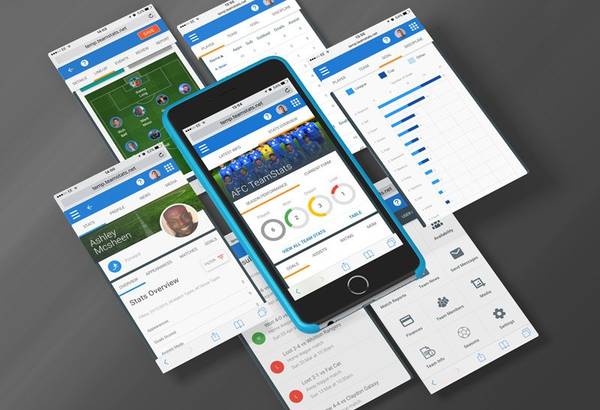
A team management app consolidates fixture data from multiple sources into a single view. When the under-14s manager enters a cup fixture, the system immediately flags that the under-15s already have a home match scheduled for that time slot. The club spots the conflict three weeks in advance rather than the morning of the match.
This centralised approach extends beyond just dates and times. Recording pitch assignments, referee bookings, and volunteer commitments reveals resource conflicts that calendars alone miss. The system shows that Saturday's three fixtures require four qualified first aiders when the club only has two available.
League Integration and Automation
Manual fixture entry introduces errors and delays. Managers transcribe dates incorrectly, miss fixture updates, or forget to enter cup draws. These mistakes create conflicts that could have been avoided with accurate data.
Connecting directly to league systems eliminates manual entry. When leagues publish fixtures or announce cup draws, the data flows automatically into club systems. The leagues directory provides integration points for clubs to sync fixture data without manual updates.
Automation also captures fixture changes. When leagues reschedule matches due to weather or pitch issues, those updates propagate automatically. The under-11s manager learns about a postponement immediately rather than discovering it when the team arrives at a closed facility.
Multi-Team Calendar Views
Individual team calendars hide conflicts. Managers need views that show all club fixtures simultaneously, filtered by relevant criteria. A pitch manager needs to see all matches scheduled for each facility. A director of coaching needs to see which age groups have free weekends for additional training.
Colour-coded calendar views identify conflicts visually. Red highlights indicate direct clashes requiring immediate resolution. Amber warnings show potential issues like back-to-back fixtures with minimal turnaround time. Green confirms clear weekends with no conflicts.
These views should filter by multiple dimensions - date ranges, age groups, competition types, facilities, and volunteer assignments. The under-14s coach planning a tournament entry needs to see which weekends already have cup fixtures. The club secretary preparing a facility booking request needs to see all home fixtures for the next quarter.
Early Warning Systems
Reactive conflict resolution wastes time. Proactive alerts provide time to fix issues before they impact matches. Notification systems should flag potential conflicts the moment they appear, not days later when managers happen to check calendars.
Automated alerts identify conflicts across multiple categories. Fixture clashes trigger immediate notifications to affected managers. Resource conflicts alert facility coordinators when bookings overlap. Volunteer conflicts notify coaches when key personnel have commitments across multiple teams.
The timing of alerts matters. Immediate notifications for critical conflicts requiring urgent action. Weekly digests for lower-priority issues that need attention but aren't emergencies. Monthly reports showing upcoming busy periods that need advance planning.
Practical Conflict Resolution Strategies
Staggered Kick-Off Times
When two teams must share facilities on the same day, staggered kick-off times prevent direct conflicts. Under-10s matches lasting 60 minutes with 30-minute setup and breakdown allow three fixtures on one pitch across a morning.
Coordination with opposition teams makes this work. Both clubs benefit from avoiding rescheduling hassles, creating incentive to accommodate adjusted times. League rules typically allow kick-off variations within reasonable windows - 10:00-11:00 slots might flex to 10:00, 10:15, or 10:30 starts.
Communication prevents confusion. Parents need clear notification of adjusted kick-off times well in advance. Opposition teams need written confirmation. Referees need updated arrival times. This coordination takes effort but preserves fixture dates that would otherwise require complete rescheduling.
Alternative Venue Arrangements
Clubs with access to multiple pitches can distribute fixtures across locations. The under-12s play at the main ground whilst the under-13s use the training facility three miles away. This approach requires additional volunteer coordination but prevents fixture cancellations.
Partnerships with nearby clubs, schools, and councils expand venue options. Reciprocal arrangements where clubs share facilities during peak periods benefit both organisations. A club with excellent drainage hosts matches during wet weather, whilst their partner club with floodlights returns the favour for evening fixtures.
Strategic Fixture Scheduling
Prevention works better than resolution. Clubs with strong relationships with league fixture secretaries can influence initial schedules to minimise conflicts. Communicating blackout dates, facility constraints, and multi-team considerations upfront reduces problems before fixtures are published.
Providing leagues with comprehensive availability information improves scheduling outcomes. A detailed submission listing all club teams, facility access times, shared resources, and known conflicts helps fixture secretaries avoid obvious clashes. Most leagues accommodate reasonable requests when given sufficient notice and clear information.
Volunteer Coordination Protocols
People conflicts often prove harder to resolve than facility issues. Coaches, managers, and qualified volunteers cannot split themselves across simultaneous fixtures. Clubs need protocols identifying who covers which team when conflicts arise.
Deputy managers and assistant coaches provide coverage depth. Training multiple volunteers to handle essential roles means fixtures can proceed even when primary personnel face conflicts. A club with three qualified first aiders across 15 teams needs clear protocols determining who covers which fixtures when multiple teams play simultaneously.
Technology Solutions for Conflict Management
Real-Time Availability Tracking
Modern systems track player and volunteer availability across all fixtures simultaneously. When managers mark players as unavailable due to family holidays or injuries, the system updates all affected fixtures. This visibility prevents conflicts where players commit to multiple fixtures on the same weekend across different competitions.
Availability data also informs scheduling decisions. When the under-14s need to reschedule a cup fixture, the system shows which dates have maximum player and volunteer availability. Rather than proposing dates blindly, managers suggest times when 95% of the squad can attend.
Automated Conflict Detection
Manual calendar checking misses subtle conflicts. Automated systems analyse fixtures across multiple dimensions, identifying clashes that humans overlook. The system spots that Saturday's three fixtures require five sets of corner flags when the club owns four. It notices that the under-16s away fixture ends at 12:30, leaving insufficient travel time for the manager to reach the under-17s home fixture starting at 13:00.
These systems should run continuously, not just when managers remember to check. Background processes analyse new fixture data as it arrives, flagging conflicts immediately. Push notifications alert relevant personnel the moment issues appear, providing maximum time for resolution.
Communication Integration
Resolving conflicts requires coordination across multiple stakeholders - managers, parents, opposition teams, league officials, and facility providers. Communication tools integrated with fixture management streamline this coordination. When a conflict appears, managers can message affected parties directly from the fixture screen rather than switching between multiple apps and contact lists.
TeamStats consolidates these communication channels, connecting fixture data with messaging systems. A manager identifying a conflict can instantly notify parents, request league approval for rescheduling, and coordinate with opposition teams through one interface. This integration reduces the 15-20 emails typically required to resolve a single fixture conflict down to three or four coordinated messages.
Historical Conflict Analysis
Past conflicts reveal patterns that inform future prevention. Clubs that track which types of conflicts occur most frequently can address root causes. Data showing that 60% of conflicts involve the under-12s and under-13s sharing one pitch suggests infrastructure investment or permanent schedule adjustments would eliminate recurring issues.
Analysis also identifies high-risk periods. If March and April generate three times more conflicts than other months due to cup competitions, clubs can plan additional volunteer coverage or facility bookings during those periods. Understanding these patterns transforms conflict management from constant crisis response to strategic planning.
Club-Level Prevention Policies
Fixture Acceptance Protocols
Clubs should establish clear policies governing which fixtures teams can accept. Before committing to tournaments, cup competitions, or friendly matches, managers must verify availability of facilities, key volunteers, and sufficient players. A formal approval process prevents individual managers from creating conflicts that affect the entire club.
These protocols include blackout dates when clubs cannot accommodate additional fixtures. Christmas periods, school holiday weeks, or dates with major facility maintenance require protection. Communicating these constraints to all managers prevents well-intentioned tournament entries that create impossible scheduling situations.
Resource Allocation Guidelines
Clear policies determining resource priority prevent last-minute conflicts. When two teams need the same pitch, predetermined criteria decide allocation - league fixtures before friendlies, older age groups before younger, home teams before training sessions. Managers understand these priorities before conflicts arise, reducing disputes and enabling faster resolution.
Documentation of all club resources - pitches, equipment, volunteers, and their availability - provides the foundation for allocation decisions. A comprehensive resource register showing that the club has two sets of goals, three first aid kits, and five qualified coaches informs realistic fixture planning.
Inter-Team Communication Standards
Managers must communicate fixture plans across age groups. Monthly club meetings where all managers review upcoming fixtures identify conflicts early. Shared digital calendars ensure everyone sees the complete club schedule, not just their own team's fixtures.
These communication standards extend to fixture changes. When one team reschedules a match, all managers receive notification. The change might resolve one conflict whilst creating another, requiring club-wide visibility to manage effectively.
Conclusion
Fixture conflict prevention requires systematic approaches that combine technology, clear protocols, and proactive planning. Clubs that implement centralised fixture management, automated conflict detection, and coordinated scheduling reduce conflicts by 80% according to recent grassroots football surveys.
The shift from reactive crisis management to proactive prevention saves clubs approximately 15 hours per month in administrative time. Managers spend less time negotiating reschedules and more time coaching. Parents receive reliable fixture information that respects family commitments. Players participate in more matches because fewer fixtures require cancellation or rescheduling.
Success depends on treating fixture conflict prevention as a club-wide priority rather than individual team responsibility. When all managers use shared systems, follow common protocols, and communicate proactively, conflicts become rare exceptions rather than weekly crises. The investment in proper systems and processes pays dividends throughout every season. Many clubs participating in Sunday League football have found that systematic fixture management becomes even more critical when coordinating weekend schedules across multiple adult and youth teams.
Ready to eliminate fixture conflicts at your club? Discover how football coaching apps can centralise your fixture management and prevent scheduling headaches before they happen.
═══════════════════════════════════════════════════════════════