
Managing a grassroots football club with multiple age groups means coordinating several coaches who rarely see each other. The Under-9s manager might train on Tuesday evenings whilst the Under-12s coach runs sessions on Thursdays. Without a structured way to share information, each coaching team operates in isolation, missing opportunities to maintain consistency, spot developing talent, and build a coherent club identity.
Club report sharing solves this fragmentation. When coaching staff can access transparent reports about player development, match performance, and training progress across all teams, the entire club benefits. Young players transitioning between age groups experience smoother handovers. Coaches learn from each other's approaches. Club directors gain visibility into what's actually happening on the pitch rather than relying on corridor conversations.
The challenge isn't whether to share information - it's establishing systems that make sharing practical for volunteer coaches juggling full-time jobs and family commitments.
Why Transparent Reporting Matters at Club Level
Most grassroots clubs operate as collections of independent teams rather than unified organisations. Each coach keeps their own records - perhaps scribbled notes in a training diary, mental observations, or spreadsheets stored on a personal laptop. When that Under-11s coach steps down mid-season, their successor inherits a squad they barely know.
Transparent reporting creates institutional knowledge. When the Under-10s coach documents that a particular player struggles with left-foot passing but excels in defensive positioning, that insight shouldn't disappear when the player moves to Under-11s the following season. The receiving coach gains months of development context immediately.
This visibility extends beyond player assessments. Sharing training session plans reveals which technical skills each age group emphasises, preventing the frustration of Under-13s coaches discovering their players never learned proper throw-in technique because it wasn't prioritised in younger age groups. Match reports highlighting tactical approaches show whether the club maintains a consistent playing philosophy or whether each team operates with completely different systems.
For clubs using football coaching apps, the infrastructure already exists. The question becomes cultural rather than technical - establishing expectations that coaches document their work and review colleagues' reports regularly.
What Information Coaches Actually Need From Each Other
Effective club report sharing isn't about creating bureaucracy. Volunteer coaches won't complete lengthy forms after every training session. The information shared must justify the time investment by genuinely helping coaches do their jobs better.
Player Development Tracking forms the foundation. Each coach needs to know where players currently stand in fundamental skills - first touch, passing accuracy, positional awareness, decision-making under pressure. When an Under-12s player joins from Under-11s, their new coach should immediately see which technical areas need attention and which strengths to build upon.
Development tracking works best when standardised across age groups. If every coach assesses players differently, comparisons become meaningless. Clubs benefit from agreeing on core competencies relevant to their playing philosophy, then having all coaches evaluate players against these consistent criteria.
Match Performance Data provides objective evidence of progress. Recording statistics like pass completion rates, defensive actions, and positional heat maps over multiple fixtures reveals patterns individual match observations might miss. A midfielder who seems inconsistent might actually perform significantly better in home fixtures, suggesting confidence issues in unfamiliar environments.
For clubs focused on player development rather than just results, match data should emphasise individual contributions rather than team outcomes. The Under-10s might lose 4-2, but if three players successfully implemented techniques from training, that represents progress worth celebrating and building upon.
Training Session Outcomes let coaches see what their colleagues emphasise. If the Under-9s dedicate significant time to dribbling in tight spaces but the Under-10s focus primarily on long passing, players face a jarring transition. Sharing session plans and outcomes helps clubs identify these gaps and adjust accordingly.
Documentation needn't be elaborate. A simple summary noting the session focus, which players grasped concepts quickly, and which need reinforcement provides valuable context for future coaches.
Building a Culture of Transparency Without Creating Resistance
The biggest obstacle to club report sharing isn't technology - it's convincing volunteer coaches that documentation helps rather than burdens them. Many parent-coaches already feel overwhelmed managing training sessions, match day logistics, and team communication. Adding reporting requirements feels like administrative overhead.
The solution lies in demonstrating immediate personal value. When coaches see that accessing previous reports saves them time and improves their effectiveness, they become willing contributors rather than reluctant participants.
Start With Transition Periods where the value proposition is clearest. When players move between age groups, provide receiving coaches with comprehensive reports from the previous season. After experiencing how much easier squad assessment becomes with documented history, coaches understand why maintaining these reports matters.
Make Input Effortless by integrating documentation into existing workflows. If coaches already track attendance and select match squads through a team management app, adding brief performance notes requires minimal additional effort. The key is capturing information when coaches naturally engage with the system rather than creating separate reporting tasks.
Demonstrate Club-Wide Benefits by sharing anonymised insights during coaches' meetings. Showing that 70% of Under-12s struggle with defensive positioning might prompt the Under-10s and Under-11s coaches to incorporate more positional drills, preventing the problem from perpetuating. When coaches see their documentation contributing to club-wide improvement, they recognise their role in something larger than their individual team.
Avoid Judgement by framing reports as development tools rather than performance evaluations. Coaches should feel comfortable documenting challenges their teams face without fearing criticism. The Under-13s coach noting that their players struggle with tactical discipline isn't admitting failure - they're identifying an area where club-level support might help.
Practical Systems for Multi-Team Information Sharing
Establishing effective club report sharing requires choosing appropriate tools and setting clear expectations about what gets documented and how often.
Centralised Digital Platforms eliminate the fragmentation of information scattered across personal devices. When all coaching staff access the same system, everyone works from identical information. Updates made by one coach become immediately visible to colleagues, preventing the confusion of outdated reports circulating.
Platforms designed specifically for grassroots football understand the volunteer context. They prioritise mobile accessibility since coaches often update information from the touchline immediately after training rather than later at a desktop computer. Quick-entry templates reduce the friction of documentation.
Standardised Reporting Templates ensure consistency without stifling individual coaching styles. A club might establish that all coaches complete brief match reports covering team performance, individual standout contributions, and areas requiring training focus. Within that structure, each coach describes observations in their own words.
Templates work best when developed collaboratively. Involving all coaching staff in designing reporting formats increases buy-in and ensures the information captured actually serves coaches' needs rather than satisfying administrative preferences.
Regular Review Schedules prevent reports from becoming write-only documentation nobody actually reads. Monthly coaching meetings might include dedicated time for reviewing cross-team trends. The head of youth development could highlight patterns emerging across multiple age groups, prompting discussion about club-wide responses.
These reviews shouldn't feel like examinations. The goal is collective problem-solving - if three different age groups report similar challenges, the club might organise focused training for coaches or bring in specialist coaching support.
Tiered Access Permissions balance transparency with appropriate privacy. All coaching staff might access general team performance data and tactical approaches, whilst detailed individual player assessments remain restricted to coaches directly involved with those players plus club safeguarding officers and youth development leads.
This tiering protects player privacy whilst still enabling the information flow that improves coaching effectiveness. A coach preparing to receive next season's Under-14s can review general team characteristics and playing style without accessing sensitive personal information until players officially join their squad.
Using Shared Reports to Improve Player Transitions
The most immediate benefit of club report sharing appears when players move between age groups. These transitions often create disruption - new coaches making fresh assessments, players proving themselves again, months of development context lost.
Comprehensive handover reports transform this experience. The receiving coach starts the season already understanding each player's technical strengths, areas needing development, preferred positions, and personality traits affecting their performance. Rather than spending the first month assessing, they can immediately build on existing foundations.
Pre-Season Handover Meetings become far more productive when both coaches have reviewed documented reports beforehand. Instead of one coach verbally summarising 15 players from memory, the conversation focuses on specific questions and clarifications. The receiving coach might ask about a player's response to tactical feedback or whether certain training approaches proved particularly effective.
These meetings also provide opportunities to discuss players who might struggle with the transition. If a player thrived in a relaxed Under-10s environment but is moving to a more structured Under-11s setup, both coaches can plan how to ease that adjustment.
Mid-Season Check-Ins between coaches of adjacent age groups help identify players who might benefit from training up or down an age group. When the Under-12s coach can review Under-11s reports showing a player dominating their current level, they can make informed decisions about whether that player would benefit from greater challenge.
Similarly, if an Under-13s player struggles significantly, reviewing their previous season's reports might reveal whether they're experiencing temporary difficulty or whether dropping back temporarily would rebuild confidence. These decisions become evidence-based rather than purely subjective.
Maintaining Consistency in Coaching Philosophy
Beyond individual player development, transparent reporting helps clubs establish and maintain coherent coaching philosophies across all age groups. Many grassroots clubs aspire to a particular playing style - perhaps emphasising possession football or high pressing - but struggle to implement this consistently when each coach operates independently.
Shared Tactical Reports document how each team interprets the club's playing philosophy at their level. The Under-9s might focus on basic positional discipline and playing out from the goalkeeper, whilst Under-15s implement more sophisticated pressing triggers and rotation patterns. When coaches see how colleagues at different age groups approach the same principles, they understand the developmental progression.
This visibility helps coaches pitch their tactical instruction appropriately. An Under-11s coach might wonder whether introducing the concept of defensive lines is too advanced, but reviewing Under-10s reports showing players already grasp basic zonal positioning confirms they're ready for that next step.
Training Methodology Alignment ensures players experience consistent coaching approaches even as they progress through age groups. If the Under-8s coach uses lots of small-sided games to develop decision-making whilst the Under-9s coach favours isolated drill repetition, players face confusing mixed messages about how football should be learned.
Sharing training session reports doesn't mean every coach must use identical methods - individual coaching styles remain valuable. However, transparency reveals significant philosophical differences that might warrant discussion about club-wide approaches to player development.
Addressing Common Concerns About Report Sharing
Despite clear benefits, some coaches resist transparent reporting systems. Understanding and addressing these concerns helps clubs implement effective club report sharing without creating division.
Time Investment Worries top most coaches' concern lists. Volunteer coaches already sacrifice significant personal time. Adding documentation requirements feels like administrative burden rather than coaching support.
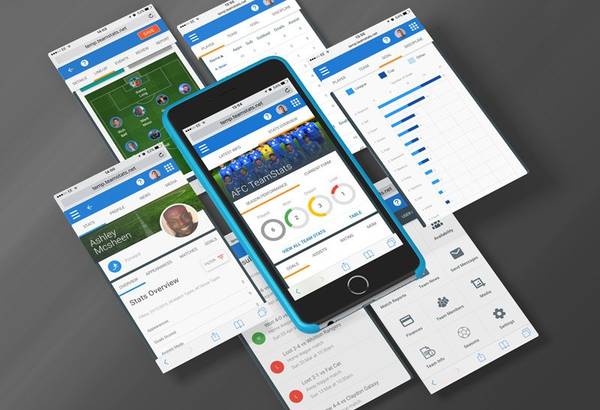
The solution lies in ruthless efficiency. Reports should capture only information genuinely useful to other coaches. A three-sentence match summary noting key performance patterns provides more value than a detailed play-by-play account nobody will read. Tools like TeamStats streamline this process by automatically capturing attendance, availability, and match statistics whilst allowing coaches to add brief contextual notes.
Privacy Considerations matter, particularly regarding youth players. Coaches rightly question who should access detailed assessments of 10-year-olds' abilities and behaviours.
Robust access controls address this concern. Player reports should be visible only to coaches directly working with those players, designated club officials with safeguarding responsibilities, and coaches receiving those players in future seasons. Historical reports remain available to track development over time, but access stays restricted to appropriate personnel.
Fear of Criticism prevents some coaches from documenting challenges honestly. If a coach struggles with tactical organisation or player behaviour, they might hesitate to record these difficulties in permanent reports.
Establishing a supportive club culture matters more than any technical solution. Leadership must consistently frame reports as development tools rather than performance evaluations. When coaches see colleagues receiving help rather than criticism after documenting challenges, they become more willing to be transparent about areas where they need support.
Competitive Dynamics can emerge in clubs where coaches feel they're competing for resources, recognition, or player talent. In such environments, transparency feels risky - why would a coach share successful training methods or detailed player assessments that might benefit a rival colleague?
This problem signals deeper cultural issues requiring leadership attention. Clubs should actively cultivate collaborative rather than competitive relationships between coaching staff, emphasising that player development and club success depend on collective effort. Recognition systems should reward coaches who contribute to club-wide improvement, not just their individual team's results.
Measuring the Impact of Transparent Reporting
Clubs investing time in establishing club report sharing systems naturally want evidence these efforts produce tangible benefits. Several indicators reveal whether transparent reporting is actually improving coaching effectiveness.
Player Transition Success provides the most direct measure. Are players moving between age groups experiencing smoother adjustments? Surveying both players and receiving coaches about transition experiences before and after implementing transparent reporting reveals whether the system delivers its primary intended benefit.
Quantitative measures might include how quickly players establish themselves in their new age group or how many training sessions receiving coaches need before feeling confident in their squad assessment.
Coaching Staff Retention often improves when coaches feel supported rather than isolated. Volunteer coaches frequently cite feeling overwhelmed and unsupported as reasons for stepping down. If transparent reporting helps coaches feel part of a collaborative team rather than struggling alone, retention rates should improve.
Exit interviews with departing coaches can reveal whether improved information sharing would have addressed factors contributing to their decision to leave.
Club-Wide Skill Development becomes more consistent when coaches align their approaches. Assessing whether players across all age groups demonstrate similar proficiency in fundamental skills - appropriate to their developmental stage - indicates whether the club is successfully implementing coherent development pathways.
This assessment requires patience since changes in coaching approach take seasons to manifest in player outcomes. However, tracking skill assessments over multiple years reveals long-term trends.
Coach Confidence and Satisfaction matter regardless of measurable player outcomes. If coaches report feeling better informed, more confident in their decisions, and more connected to club-wide efforts, the reporting system provides value even if other metrics remain unchanged.
Regular anonymous surveys asking coaches whether they find shared reports useful, whether they feel the time investment is justified, and what improvements they'd suggest help clubs refine their approaches based on actual user experience.
Conclusion
Effective club report sharing transforms grassroots football clubs from collections of independent teams into cohesive organisations with aligned development pathways. When coaching staff transparently share information about player progress, training approaches, and match performance, everyone benefits - players experience smoother transitions between age groups, coaches learn from colleagues' insights, and clubs build institutional knowledge that survives individual coaches' departures.
The key to successful implementation lies in demonstrating immediate value to volunteer coaches whilst minimising administrative burden. Systems must integrate naturally into existing workflows, capture only genuinely useful information, and protect appropriate privacy whilst enabling meaningful transparency.
Clubs that establish cultures of collaborative information sharing create environments where coaches feel supported rather than isolated, where player development follows coherent long-term plans rather than fragmented season-by-season approaches, and where institutional learning accumulates over time. Digital platforms designed for grassroots football make this transparency practical even for clubs with limited resources and volunteer staff.
For coaching staff seeking to improve coordination across multiple teams whilst reducing the administrative overhead of managing player information, exploring purpose-built team management apps provides a practical starting point. The investment in establishing transparent reporting systems pays dividends in improved player development, enhanced coaching effectiveness, and stronger club cohesion - benefits that compound over seasons as the club builds comprehensive development knowledge.
═══════════════════════════════════════════════════════════════