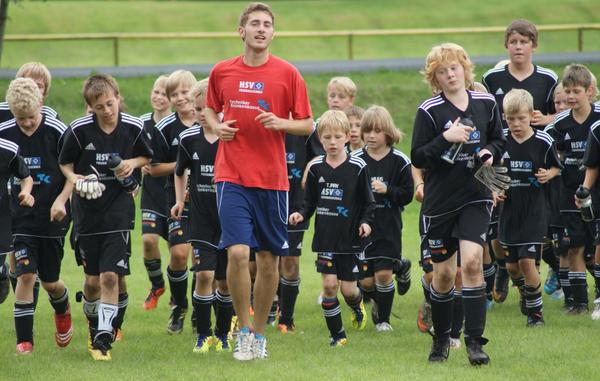
Spend enough time around grassroots football, and one thing becomes obvious: most players don’t struggle because they lack effort. Often, they struggle because things become too complicated.
Too many instructions. Too many ideas at once. Too much thinking before acting. And when that happens, everything slows down.
When Training Becomes Too Complicated
It’s easy to believe that adding more detail improves performance: tactical layers, structured drills, explanation from the coach. But on the pitch, the opposite often happens. Players hesitate. First touches become slower. Decisions take longer than they should. Confidence starts to drop, especially in younger squads.
Coaches see it straight away. The session loses energy. Movements stop flowing. What should feel natural starts to feel forced. This is where many sessions go wrong, not because of bad coaching, but because of too much information at once.
Why Simplicity Works Better
Clear training sessions lead to better reactions. When players understand exactly what is expected, they stop overthinking and start playing instinctively. That’s when real development begins. Short instructions. Clear roles. Repetition that builds confidence instead of confusion.
A similar idea can be seen beyond football. On platforms such as NightWin. where everything is designed to feel straightforward and easy to follow, the experience stays smooth instead of overwhelming. That same clarity is what keeps people engaged longer, whether on a pitch or on a screen. In both cases, the principle is the same: when something feels natural, progress happens faster.
Focus Is Harder to Keep Today
Modern players grow up in a completely different environment compared to previous generations. Constant notifications, short-form content, and quick distractions have changed how attention works. Because of that, long explanations and complex drills don’t hold focus the way they once did.
Sessions that work best today usually have:
-
short and direct instructions;
-
clear objectives in every drill;
-
quick transitions between exercises;
-
a consistent structure from start to finish.
This keeps players active and mentally engaged without overloading them.
Less Talking, More Playing
One of the most common mistakes in grassroots coaching is over-coaching. Stopping every few minutes. Correcting every detail. Explaining too much instead of letting the game flow. While the intention is good, the result often breaks rhythm.
Players spend a lot of time listening rather than playing. Instead of reacting naturally, they begin to second-guess every decision. Simpler sessions fix this. More time on the ball. Fewer interruptions. Clear situations that repeat and build understanding naturally. This is where learning becomes automatic rather than forced.
Building Confidence Through Clarity
Confidence in football rarely comes from long explanations. It comes from repetition and understanding. When players clearly know what to do, they start trusting their decisions. Movements become quicker. Communication improves. Mistakes are corrected through play, not over-analysis.
Many grassroots coaches have already started adjusting their approach. Instead of adding another detail, they remove what isn’t necessary. And the results are noticeable. Players enjoy training more. Sessions feel lighter. Performance becomes consistent.
What This Means for Modern Coaching
There is a quiet shift happening across grassroots football. The most effective sessions are not the most complex ones. They are the ones where everything feels clear from the first minute.
Players move faster. Decisions feel natural. Confidence builds without pressure. And most importantly, the game becomes enjoyable again. As coaches recognise this, training sessions are becoming simple, focused, and effective. Because in the end, football has never been about complexity. It has always been about understanding the moment, and reacting without hesitation.